The Robbins House
When most people visit Concord, Massachusetts, they come to walk across the Old North Bridge, stand where the American Revolution began, and visit the homes of Emerson, Thoreau, Hawthorne, and Alcott. I have made that journey many times over the years and thought I knew Concord’s history well.
On one of my more recent visits, however, I discovered a small house tucked quietly among the trees near the North Bridge that I had somehow never noticed before. It is called the Robbins House.
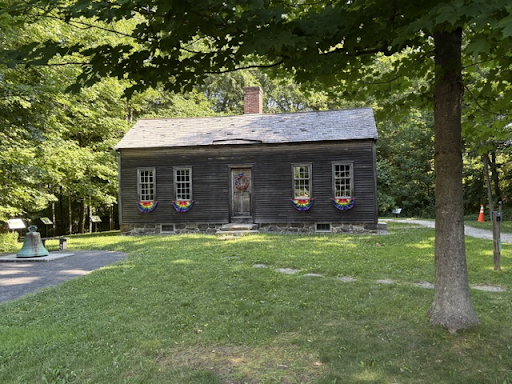
Built around 1823, the Robbins House was the home of Peter Robbins, the son of Caesar Robbins, an African American who served in the Continental Army during the American Revolution. Peter was born into slavery during the closing years of the Revolution, but as Massachusetts gradually abolished slavery, he grew up as a free man. He became a laborer, married, raised a family, purchased property, paid taxes, voted, and built a life in Concord.
His accomplishments may not seem unusual today, but in the early nineteenth century they represented something extraordinary. At a time when much of the nation still held millions of people in bondage, Peter Robbins was able to own a home and become a respected member of his community.
Concord was home to a small but thriving free Black community whose members worked as laborers, tradesmen, domestic servants, craftsmen, and farmers. They worshipped together, raised families, educated their children, and participated in the civic life of the town while continuing to face prejudice and limited opportunities. Their lives unfolded alongside many of the people whose names have become synonymous with Concord.
As the decades passed, Concord also became an important center of the abolitionist movement. Ralph Waldo Emerson used his voice to denounce slavery. Henry David Thoreau defended those who resisted unjust laws. Local residents supported abolitionist causes and participated in efforts to assist those escaping slavery. For the free Black families who already called Concord home, these national debates were not abstract political questions. They affected neighbors, friends, and relatives.
Although I have visited Concord numerous times, I had never encountered the Robbins House until recently. That is because the building itself was saved from demolition, carefully moved to this location in 2010, restored, and opened as a museum in 2011
History is never static. Each generation asks new questions, uncovers forgotten stories, and broadens our understanding of the past. The Robbins House is one of those discoveries. It does not replace the familiar story of Concord; it completes it.
Read More From Nancy
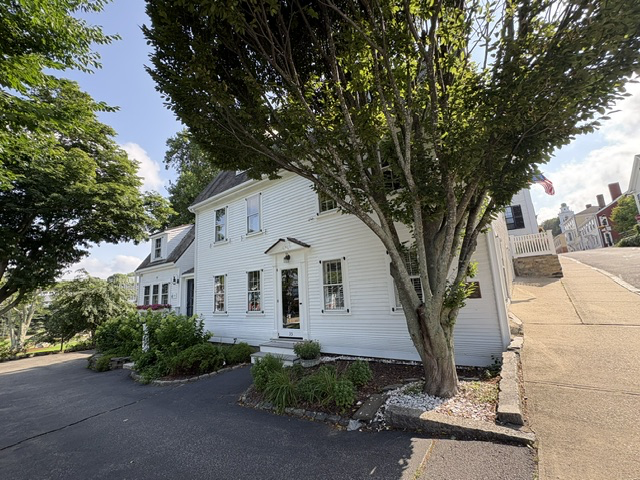
Samuel Lucas – Thomas Howland House
Standing at 36 North Street, the Samuel Lucas–Thomas Howland House does not immediately reveal its extraordinary age. Its white clapboard exterior, regularly spaced windows, and later additions give it the appearance of a traditional New England home. Hidden within that familiar exterior, however, is a structure believed to date from about 1637–1640, placing it among […]
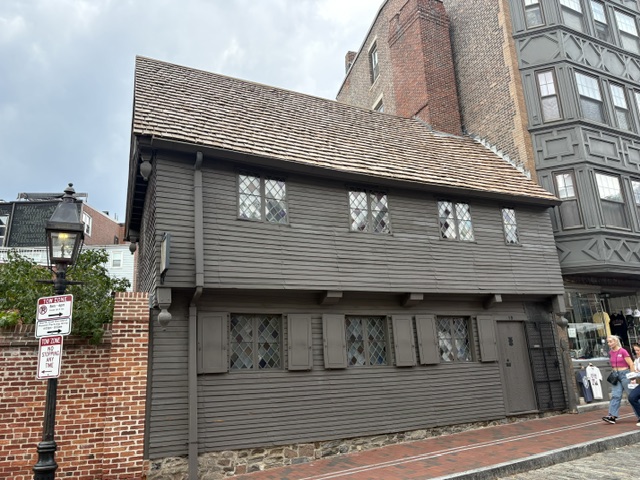
The Paul Revere House
Many of our visits to Boston lead us along the Freedom Trail, even if we follow only a small portion of it. As we meandered through the North End, we returned to the Paul Revere House in North Square. Its wooden exterior, overhanging second story, and diamond-paned windows stand apart from the taller buildings surrounding […]
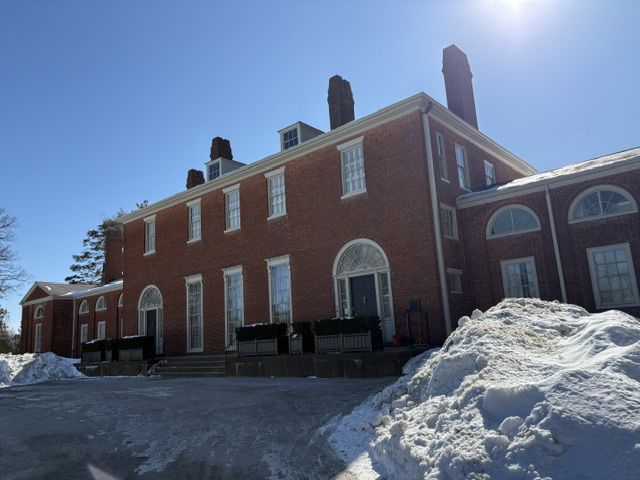
Gore Place
Surrounded by open lawns and mature trees, the Gore Place remains one of the finest surviving Federal-era estates in New England and offers a glimpse into the aspirations of the young American republic. Gore Place was built between 1804 and 1806 for Christopher Gore and his wife, Rebecca Amory Payne Gore. Christopher Gore was one of […]

