The Otis House
Perched at the top of Boston’s historic Beacon Hill stands the Otis House, one of the finest surviving examples of Federal style architecture in the city. Designed by renowned architect Charles Bullfinch in 1796 for Harrison Gray Otis, the house reflected the growing prestige and sophistication of Boston’s wealthiest citizens. Otis was a lawyer, politician, real estate developer and one of Boston’s wealthiest citizens. Today the house serves as the headquarters for Historic New England, and remains an extraordinary window into Boston’s early elite society.
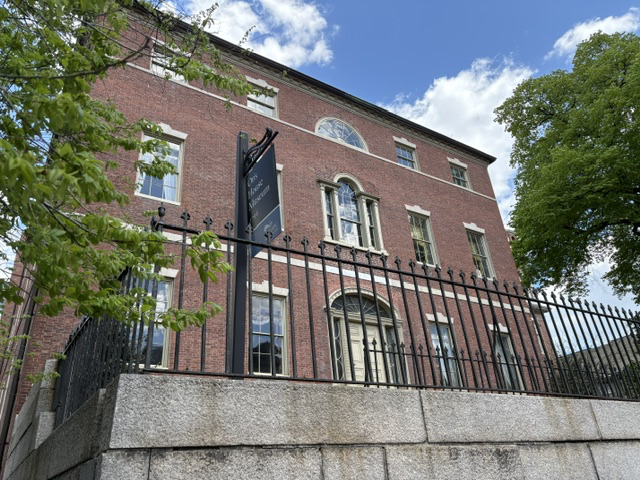
During our homeschooling years, the Otis House was one of the places where history came alive through repeated visits and field trips. Walking through the rooms, studying the architecture, and learning about the growth of Boston helped transform history from words in a book into something tangible. Standing on Beacon Hill, surrounded by narrow streets and brick houses, you could begin to understand how Boston evolved from a colonial town into one of America’s cultural and intellectual centers.
Prestige and wealth are demonstrated in every detail of the house. The elegant symmetry, refined brickwork, carved wood trim and carefully proportioned rooms reflect the Federal style that became fashionable after the American Revolution. The Otis House expressed a lighter and more refined architectural tase inspired by classical ideals and the optimism of the new nation.
The Otis House also represents the rise of Beacon Hill itself. At the time this house was built, Beacon Hill was just beginning to develop into Boston’s most fashionable neighborhood. Harrison Gray Otis was deeply involved in shaping that growth, helping transform this area into a symbol of wealth, political influence, and social status. Looking out from the hill toward the city below, it is easy to imagine the confidence and ambition of Boston during the early Federal period.
The Otis House stands not only as a masterpiece of architecture, but also as a reminder of Boston’s transformation into a city of culture, commerce and influence.
Read More From Nancy
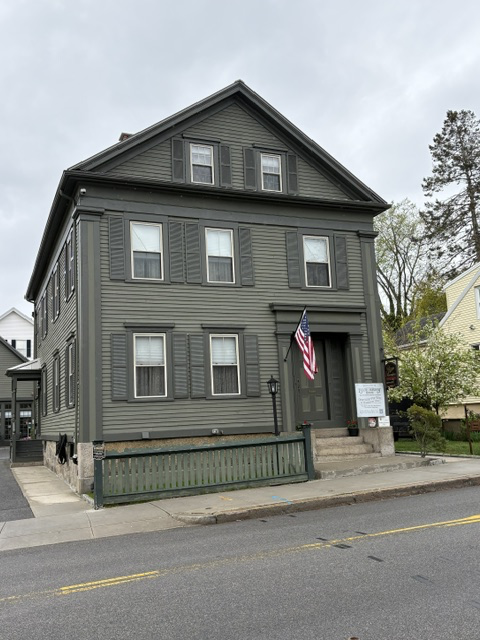
The Lizzie Borden House
The Lizzie Borden House is one of the most infamous true-crime sites in American history. Located in the heart of Fall River, this modest Victorian home became the scene of the brutal 1892 murders of Andrew and Abby Borden, a crime that remains officially unsolved more than a century later. On August 4, 1892, Andrew Borden and […]
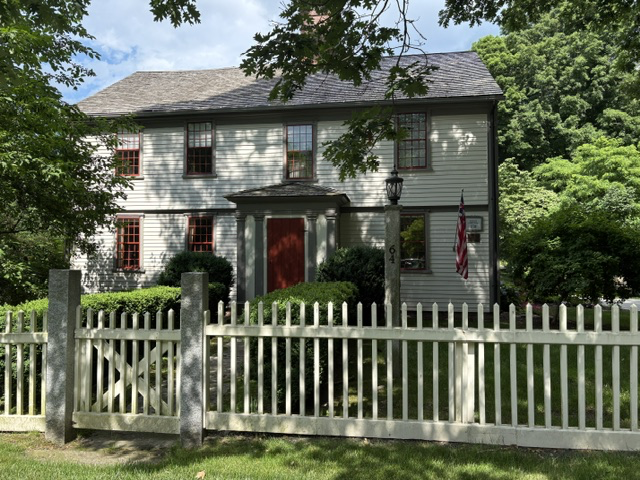
The Jonah and Elizabeth Warren House
Driving along Warren Street in Westborough, this house is easy to admire simply for its age. But its story begins even before Westborough existed as a town and, in an important way, even before European settlement of this area. Jonah Warren and his wife, Elizabeth Seaverns Warren, came from Watertown to the newly developing community […]
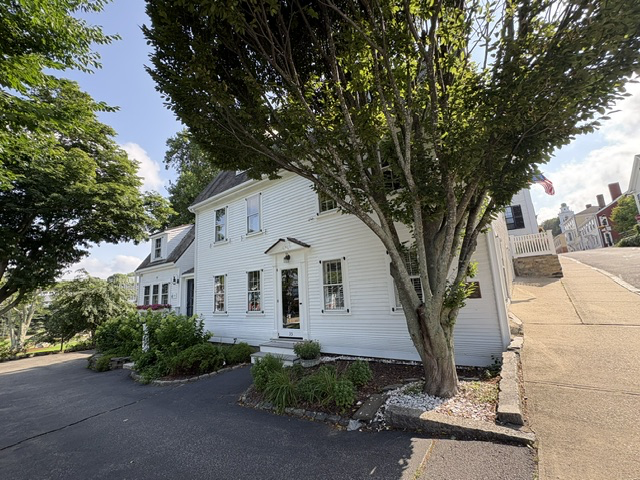
Samuel Lucas – Thomas Howland House
Standing at 36 North Street, the Samuel Lucas–Thomas Howland House does not immediately reveal its extraordinary age. Its white clapboard exterior, regularly spaced windows, and later additions give it the appearance of a traditional New England home. Hidden within that familiar exterior, however, is a structure believed to date from about 1637–1640, placing it among […]

