The Luxor Obelisk
The gilded diagrams on the pedestal of the Luxor Obelisk tell a different story from the hieroglyphs carved into the ancient stone above them. They record the nineteenth-century engineering required to move the monument from Egypt and raise it in the center of Paris.
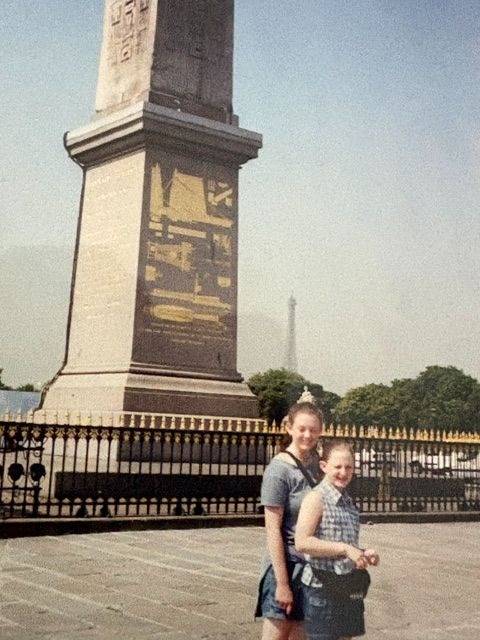
The obelisk originally stood at the entrance to Luxor Temple. In the nineteenth century, Egypt’s ruler, Muhammad Ali, offered France the pair of obelisks that flanked the temple gateway. Only one made the journey; its companion remained at Luxor.
Transporting a massive stone monument required equipment designed specifically for the task. French crews carefully lowered the obelisk and loaded it aboard a specially constructed vessel, the Louxor. Its journey followed the Nile before continuing by sea to France and eventually along the Seine to Paris.
Moving the stone was only part of the challenge. Engineers also had to bring it upright without breaking it. On October 25, 1836, the obelisk was raised in Place de la Concorde, an event commemorated in contemporary paintings and prints.
The pedestal preserves an illustrated account of that undertaking. Its diagrams show the arrangements used to lower, transport, and erect the monument. Rather than concealing the machinery behind the achievement, the base makes engineering part of what visitors are invited to admire.
The monument consequently carries two histories. The ancient shaft preserves inscriptions from its Egyptian setting, while the pedestal records its relocation to France. Together, they connect the obelisk’s original purpose with the diplomacy, technical ambition, and public spectacle that brought it to Paris.
Read More

Read More From Nancy
Sacre-Coeur Cathedral
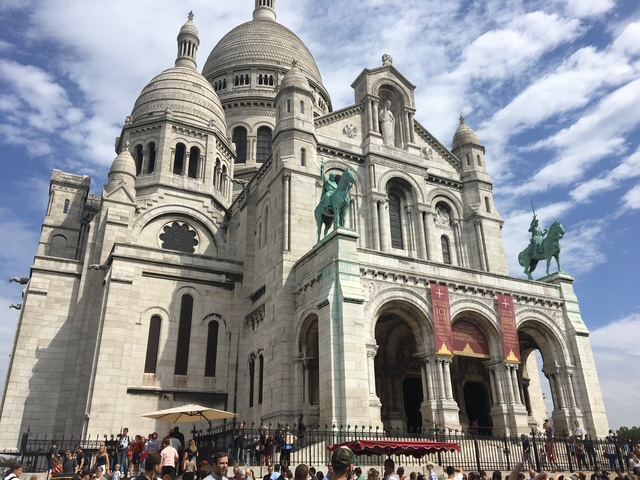
Rising above the rooftops of Paris from the summit of Montmartre, the domes of Sacre-Coeur dominate the skyline. From almost anywhere in the city, the basilica’s white stone catches the light by day and glows softly at night, anchoring the northern horizon. The church was conceived in the emotional aftermath of France’s defeat in the […]
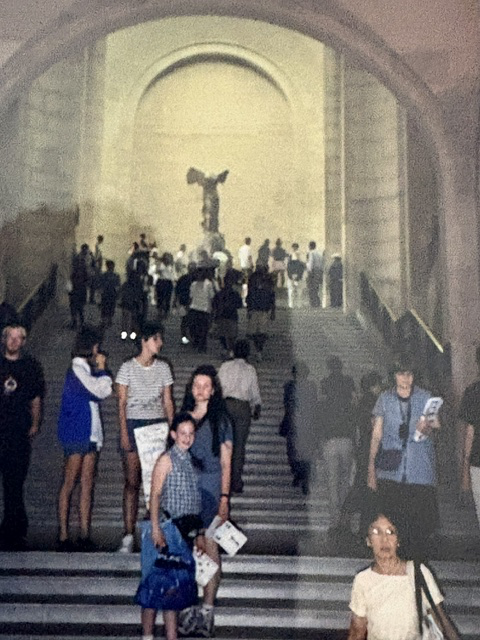
The Winged Victory of Samothrace
Of course, our family vacation in France had to include a visit to the Louvre. We explored its galleries and encountered many of its celebrated works, but this photograph captures our approach to one of the museum’s most dramatic masterpieces: the Winged Victory of Samothrace. Created around 200–175 BC, the marble sculpture represents Nike, the […]
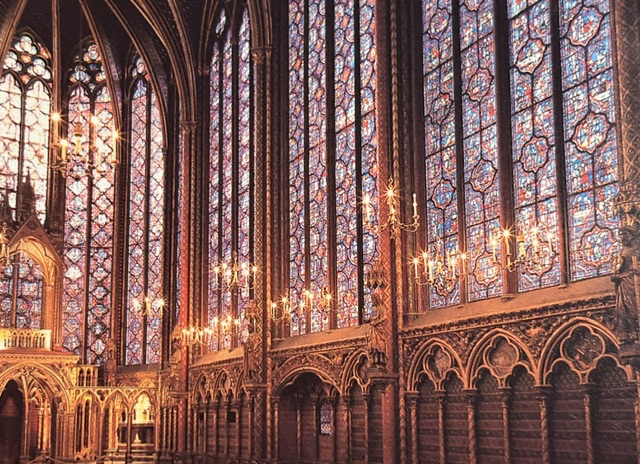
Sainte-Chapelle: Walls of Light
The upper chapel, reserved for the royal family and court, represents one of the greatest achievements of Gothic architecture. Advances in engineering allowed the walls to be reduced to slender stone supports, making room for fifteen magnificent stained-glass windows that rise nearly fifty feet. Together they contain more than a thousand biblical scenes, telling the […]

