Flame of Liberty
Near the Pont de l’Alma in Paris, a golden flame rises above a dark pedestal. Its form reproduces, at full size, the flame carried by the Statue of Liberty in New York Harbor. Installed in 1989, the Flame of Liberty was intended to celebrate friendship between France and the United States. Within a decade, it would acquire another meaning through an unexpected tragedy.
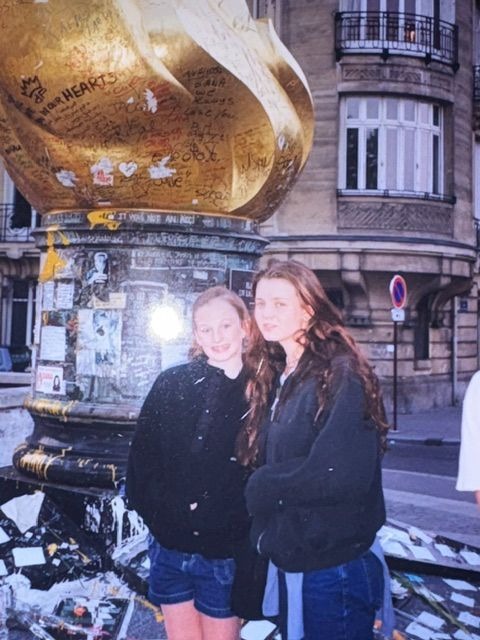
The International Herald Tribune presented the monument to Paris through an initiative marking the newspaper’s centennial. Contributions from donors around the world supported the gift. It also honored the restoration work recently completed on the Statue of Liberty in New York, continuing a history of cooperation surrounding the landmark.
The flame’s location placed it close to the road tunnel beneath the Place de l’Alma. On August 31, 1997, Diana, Princess of Wales, died following a car crash in that tunnel. The monument above became a gathering place for people seeking somewhere to express their grief.
Visitors left flowers, photographs, handwritten messages, and personal tributes around its base. These offerings transformed the site into an informal memorial. Its association with Diana developed through the actions of mourners, who gave an existing monument a new commemorative role.
In 2019, the surrounding space was officially named Place Diana, recognizing the connection that public remembrance had established over the preceding decades.
The Flame of Liberty now carries two histories. Its original dedication records an international friendship, while the continuing tributes recall a life whose sudden loss prompted mourning across the world. Together, they show how the meaning of a public monument can grow beyond the purpose for which it was created.
Read More From Nancy
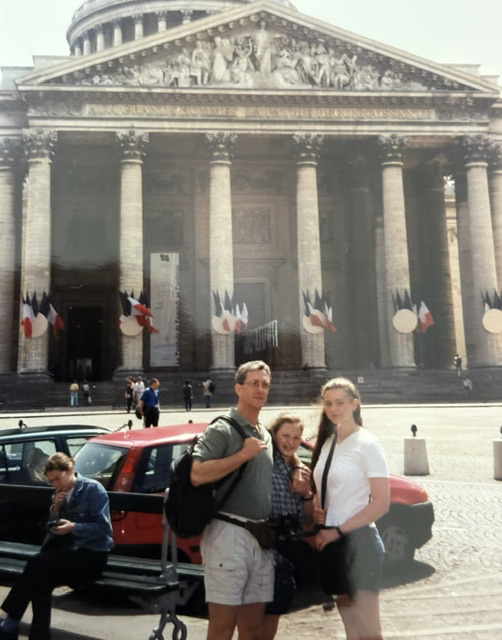
The Panthéon
During our family vacation to France, we visited the Panthéon in the Latin Quarter of Paris. Its massive columns, triangular pediment, and soaring dome give it the appearance of an ancient temple standing in the middle of the modern city. The building was commissioned by King Louis XV as a church dedicated to Saint Geneviève, […]
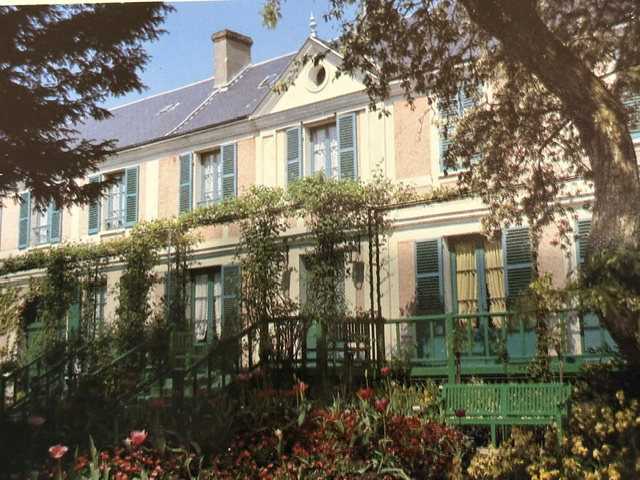
Claude Monet’s House
Visiting the home of Claude Monet in Giverny was an important experience of our trip to France with our daughters. For anyone who has seen Monet’s painting over the years, traveling to Giverny feels like stepping directly into his artwork. It was a journey we especially wanted to share as a family because his paintings had already […]
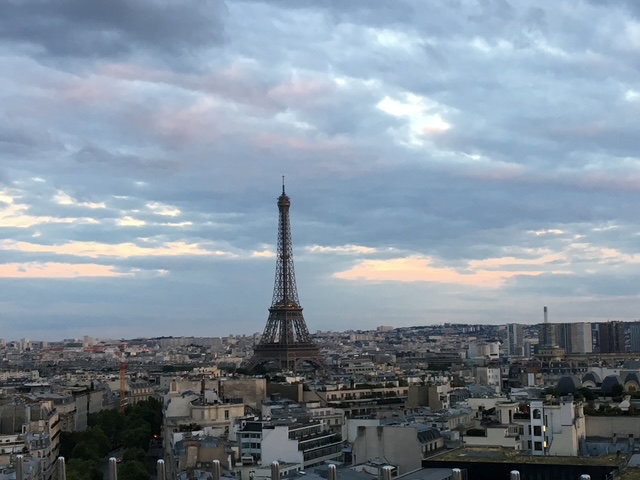
Eiffel Tower
There are certain landmarks across the world that have become instantly recognizable. Once you see them, you know exactly what they are and often where they stand. That is certainly true for the Eiffel Tower. The first time we visited Paris, of course we did what first-time visitors do: we took the ride up the […]

