The Flax Hackle
A wooden board fitted with sharp iron teeth preserves one step in the long process of making linen. Known as a hackle, or hetchel, this tool combed flax fibers before they were spun into thread. Its simple construction conceals the skill and repeated effort required to turn a harvested plant into useful cloth.
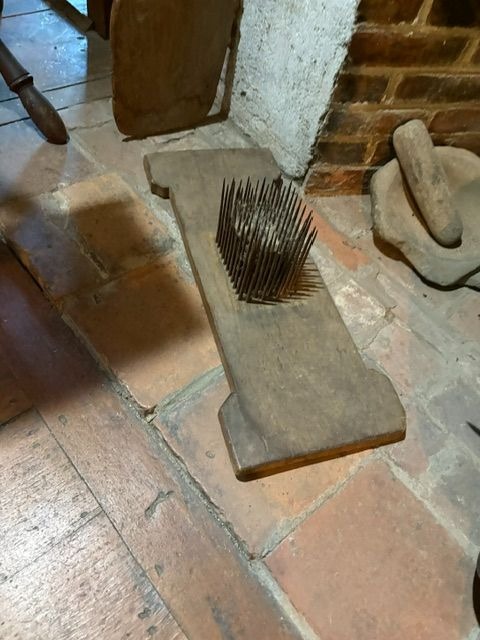
Linen comes from fibers within the flax stalk. Before those fibers reached the hackle, the plants underwent several stages of preparation. Retting loosened the fibers from surrounding plant material. Breaking and scutching then removed much of the woody stalk.
The worker drew bundles of prepared flax through the hackle’s upright teeth. This removed remaining fragments, separated shorter fibers, and aligned the longer strands for spinning. Successively finer combs could refine the material further.
The long fibers produced finer linen thread, while the shorter fibers, called tow, could be used for coarser textiles. Preparing the fibers was only part of the work: spinning and weaving still lay ahead before cloth could become clothing, towels, sheets, or other household necessities.
Tools such as this connect the finished textiles of early homes with the labor behind them. A piece of linen represented far more than time at a loom. It depended on growing, harvesting, processing, spinning, and weaving—tasks requiring different tools and practiced hands.
Displayed in Plymouth, the hackle offers a way to understand domestic history through an ordinary working object. Its iron teeth recall the effort involved in producing materials that people used, washed, repaired, and depended upon every day.
Read More From Nancy
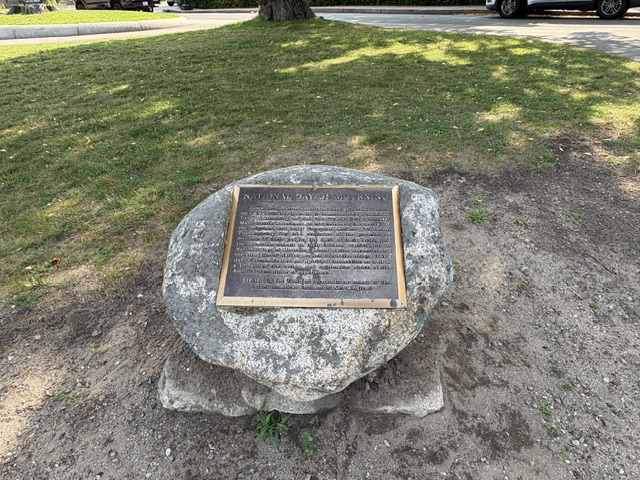
National Day of Mourning
Just a short distance from the statue of Massasoit on Cole’s Hill is this small marker recognizing the National Day of Mourning. It presents another part of Plymouth’s history and reminds us that the events of 1620 and 1621 have been remembered very differently by different people. The National Day of Mourning began in 1970, […]
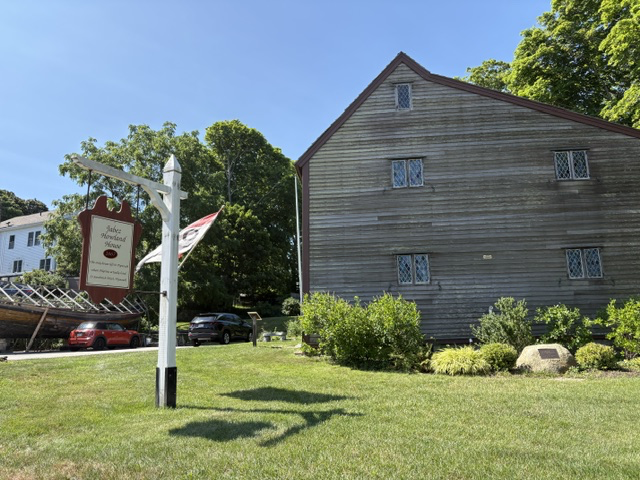
The Jabez Howland House
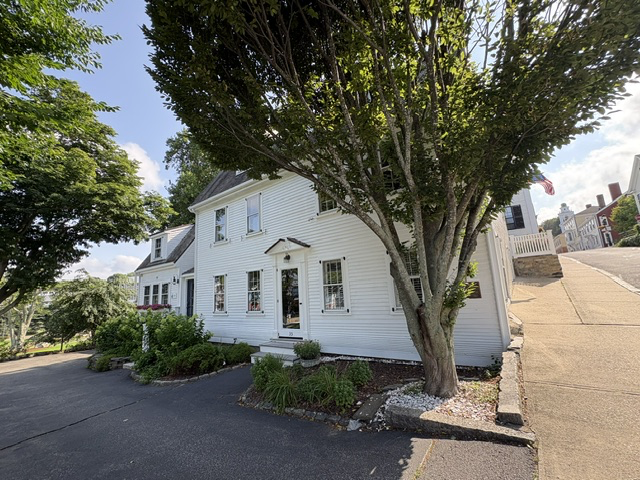
Among the many historic houses in Plymouth, the Jabez Howland House has a distinction that makes it extraordinary. Built about 1667, it is considered the only surviving building in Plymouth where people who actually arrived aboard the Mayflower are known to have spent time. Those people were John Howland and his wife, Elizabeth Tilley Howland. […]
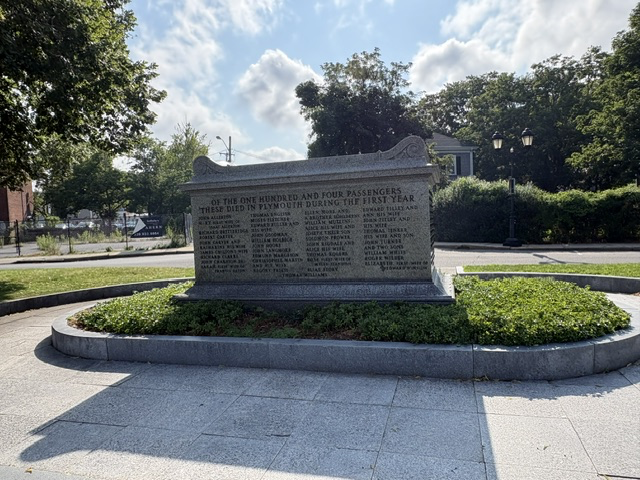
Pilgrim Sarcophagus
On Cole’s Hill, overlooking the harbor, stands this large granite monument containing the remains of some of the Mayflower passengers who died during Plymouth Colony’s devastating first winter. It is known as the Pilgrim Sarcophagus, and it marks the site of the colony’s first burial ground. The winter of 1620–1621 was catastrophic. Of the 102 […]

