Sophiensæle
Behind the street frontage on Sophienstraße, the brick building now known as Sophiensæle began as a clubhouse for Berlin’s craftsmen’s association. Built in 1904–1905, it provided a setting for workers’ education and collective activity.
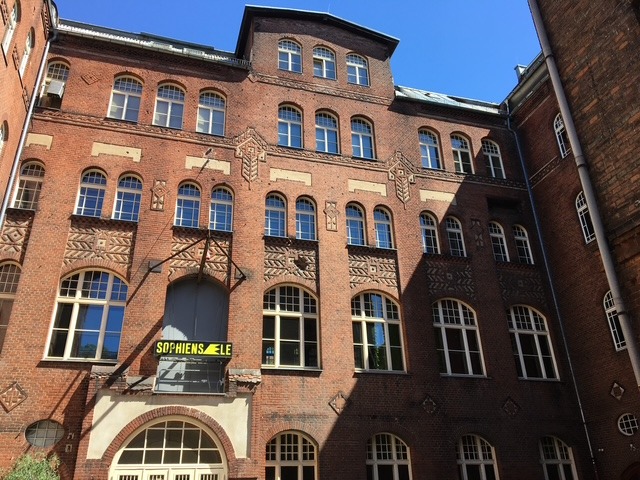
The clubhouse also became a meeting place for the political left. Rosa Luxemburg, Karl Liebknecht, Clara Zetkin, and Erich Mühsam spoke here. In the early 1920s, Mühsam used this platform to warn against the rise of fascism.
After the Nazis came to power, the association was banned, and its clubhouse closed. During the dictatorship, parts of the building, particularly the main hall, were used to accommodate forced laborers producing Nazi propaganda leaflets.
In the East German period, the premises housed stage workshops for the Maxim Gorki Theater. Spaces once associated with education and political meetings became places where craftspeople supported theatrical production.
In 1996, artists including Sasha Waltz and Jochen Sandig established Sophiensæle as an independent theater. Contemporary performance gave the former clubhouse a renewed public purpose.
The building’s successive uses connect it directly with Berlin’s political and cultural history. Workers’ education, public debate, coercion, theatrical craftsmanship, and independent performance have each occupied these rooms, leaving a history that extends well beyond the theater sign above the entrance.
Read More From Nancy
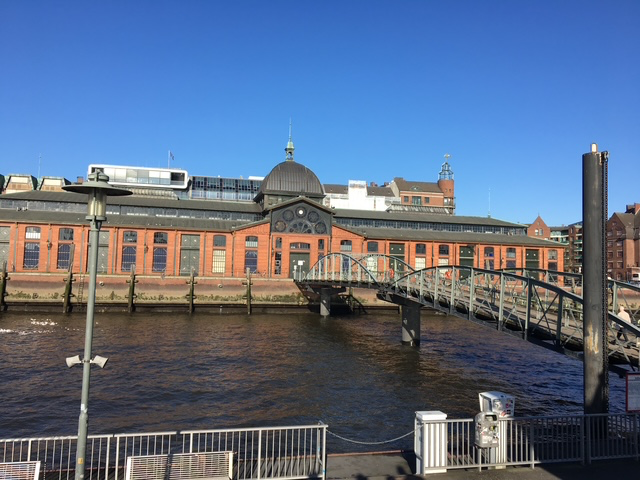
Historic Fish Auction Hall
During our visit to Hamburg, we explored the waterfront that has shaped the city’s identity and prosperity for centuries. Along the Elbe River stands the historic Fish Auction Hall, or Fischauktionshalle, a reminder of the time when fishing boats, merchants, and dockworkers filled this part of the harbor. The fishing tradition in this area dates […]
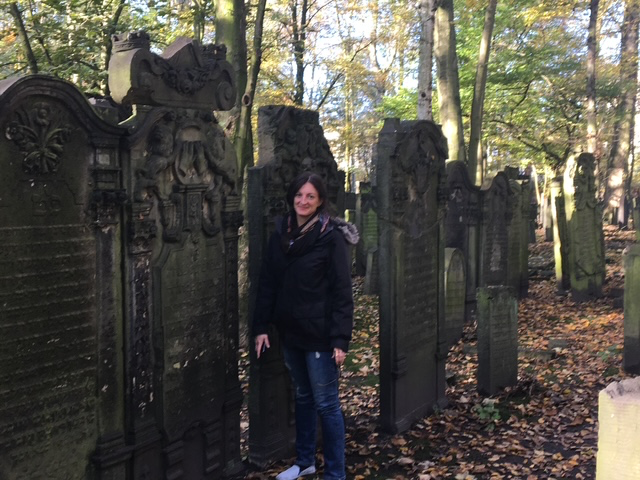
Jewish Cemetery of Altona
One of the most memorable stops on Erin’s and my Jewish heritage tour of Hamburg was a visit to the historic Jewish Cemetery of Altona. It is not a place that most visitors ever see. Access is carefully controlled to protect this remarkable site, and through the special arrangements of our guide, we were able […]
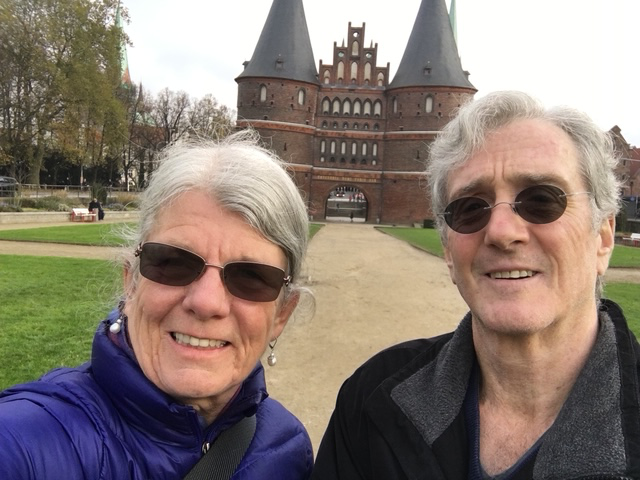
The Holstentor
While traveling through northern Germany, Marty and I visited the historic city of Lübeck, where one building immediately captures every visitor’s attention: the Holstentor. With its twin towers, red brick construction, and distinctive silhouette, it has become the enduring symbol of the city. Construction of the Holstentor began in 1464 and was completed in 1478 […]

