Otto Weidt’s Workshop
While on a Jewish history tour in Berlin, we visited the former workshop of Otto Weidt. Unlike many Holocaust museums that focus on persecution, this small workshop tells the story of a man who chose to help others despite the personal risk.
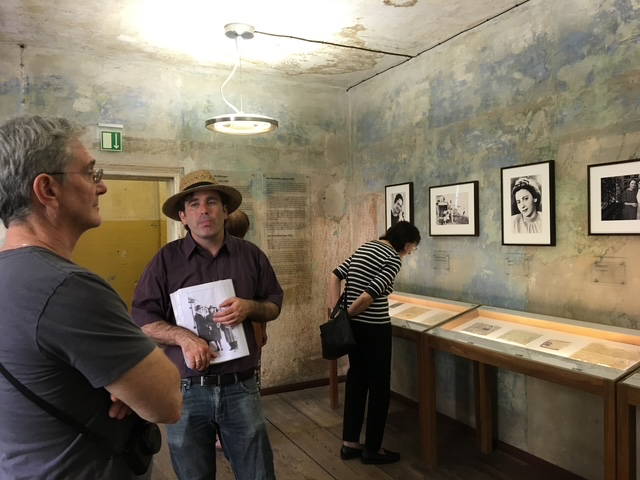
Otto Weidt owned a brush and broom workshop that employed blind and deaf Jewish workers. Because the products were needed during World War II, he was able to convince Nazi authorities that his employees were performing essential work, delaying many of their deportations. Weidt also bribed officials, secured extra food, obtained forged documents, and worked in many ways to protect the people who depended on him.
One of those workers was Alice Licht, a young Jewish woman employed in the workshop. When she was deported to Auschwitz, Weidt traveled to the camp carrying money, food, and letters of recommendation to secure her release. Although he was unable to free her, Alice survived the war and later described the efforts Weidt made on her behalf. Her testimony helped preserve the history of his actions during the Holocaust.
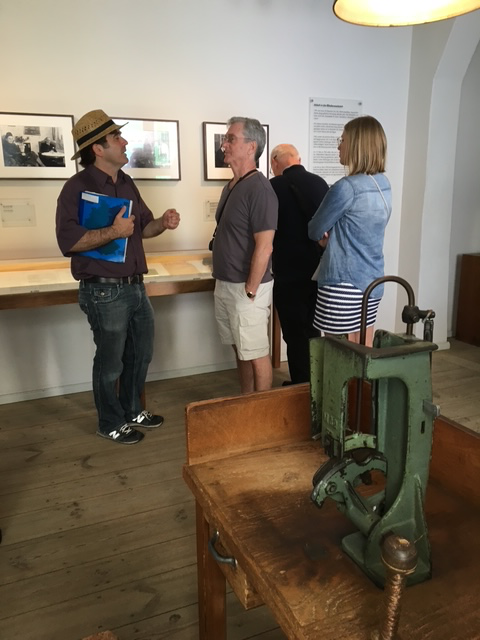
Walking through the workshop today, much of it has been preserved much as it was after the war. The worn walls and modest rooms reflect the simplicity of the business while providing a setting in which visitors can better understand the events that took place here.
In 1971, Otto Weidt was recognized by Yad Vashem in Jerusalem as one of the Righteous Among the Nations, an honor given to non-Jews who risked their lives to save Jews during the Holocaust. Today, his workshop serves as a reminder that acts of compassion and moral courage continued to exist even during one of history’s darkest periods.
Read More From Nancy
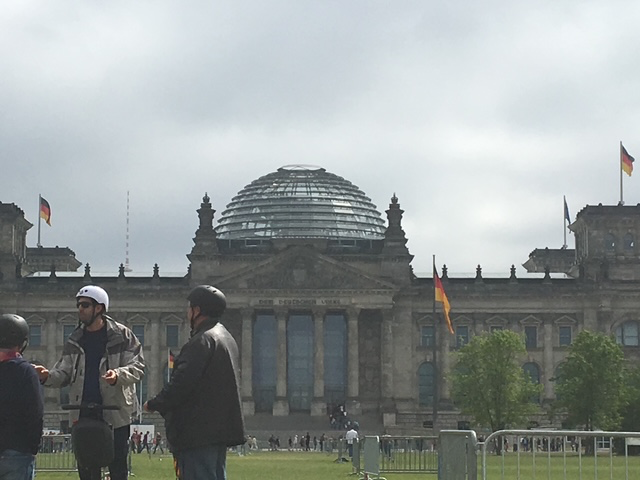
Reichstag
There may be no more impressive building in Berlin than the Reichstag. Standing before its massive facade, illuminated against the evening sky, it is impossible not to feel the weight of the history that has unfolded here. More than just a government building, the Reichstag has witnessed the rise and fall of empires, the turmoil of war, […]
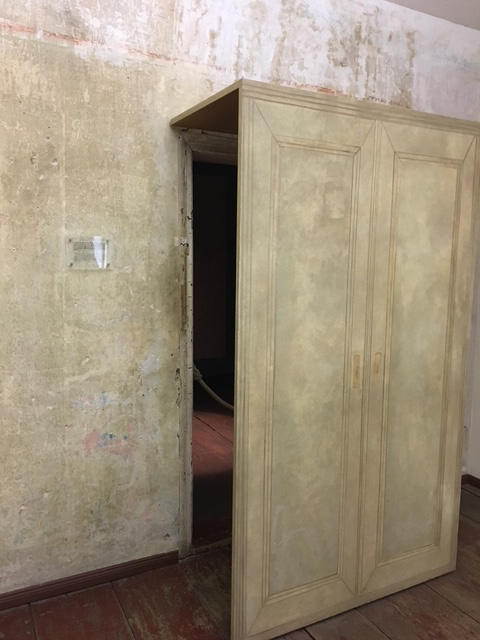
Behind the Wardrobe
At first glance, the cabinet appears unremarkable. Yet during the Second World War, it concealed the entrance to a tiny, windowless room where the Horn family—Chaim, Machla, and their children Max and Ruth—hid for nine months in 1943. The wardrobe functioned as a secret door. Behind it was just enough space for a family to […]
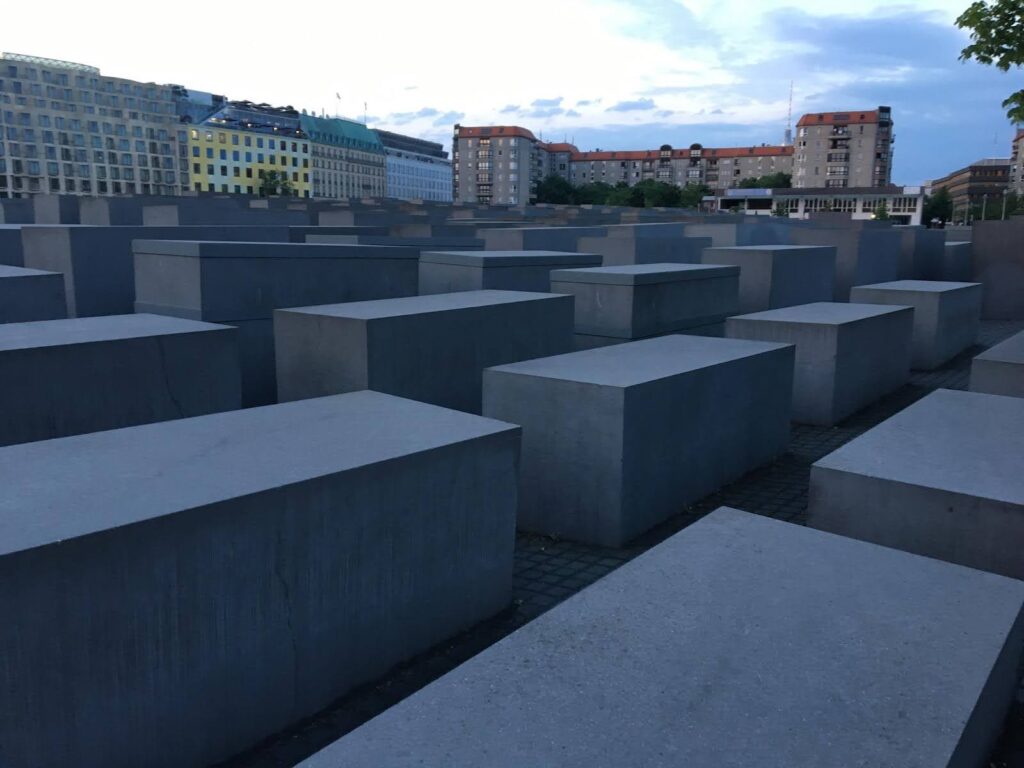
Holocaust Memorial
There are places that we visit, and then there are places we enter. This memorial in Berlin is one of those places. From a distance, the Memorial to the Murdered Jews of Europe, appears like a vast field of concrete blocks stretching across the city near the Brandenburg Gate. But as we walk into it, the […]

