Mohawk Trail State Forest
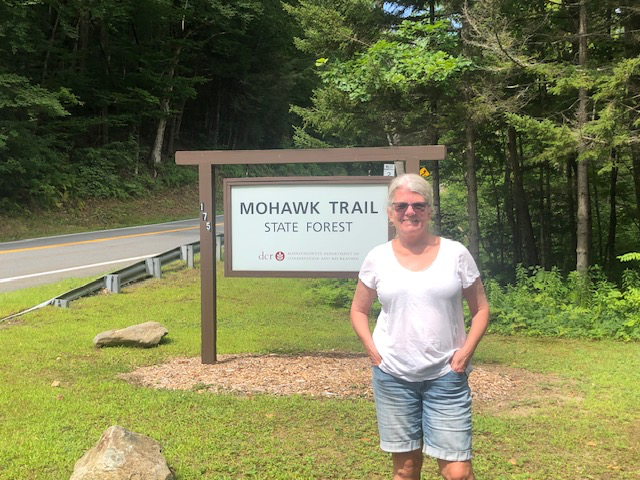
While driving the Mohawk Trail across Massachusetts, we stopped at Mohawk Trail State Forest. The forest was not our final destination, but it offered us an opportunity to pause within the landscape through which this historic route passes.
Long before automobiles crossed the Berkshire Hills, Indigenous peoples traveled through this region along pathways connecting the Connecticut and Hudson River valleys. The modern Mohawk Trail follows portions of this older travel corridor, although its exact course changed over time. In 1914, the road opened as an automobile touring route and became one of New England’s earliest scenic highways.
As automobile travel became increasingly popular, visitors came to experience the mountain views, forests, rivers, and small towns of western Massachusetts. The growing traffic also created concern that excessive development might destroy the scenery people had come to see. In 1921, Massachusetts established Mohawk Trail State Forest, preserving more than 5,000 acres along the route. The protected area has since expanded to encompass thousands of acres of wooded ridges, gorges, and river valleys.
During the Great Depression, Civilian Conservation Corps workers improved the forest by constructing roads, trails, campgrounds, and log cabins. Their work helped make the landscape accessible to generations of travelers. The forest also protects areas of old-growth woodland and some of the tallest trees in Massachusetts, including ancient hemlocks and sugar maples that were already growing long before the scenic highway was built.
Our stop at Mohawk Trail State Forest became part of the larger experience of driving the historic route across Massachusetts. We left the car and took a short hike, allowing us to experience more closely the forested landscape we had been viewing from the road. For a brief time, we followed the trail on foot, surrounded by the woods that Massachusetts began protecting more than a century ago. The hike transformed the forest from another scenic place along our drive into a landscape we had entered and experienced for ourselves.
Read More From Nancy
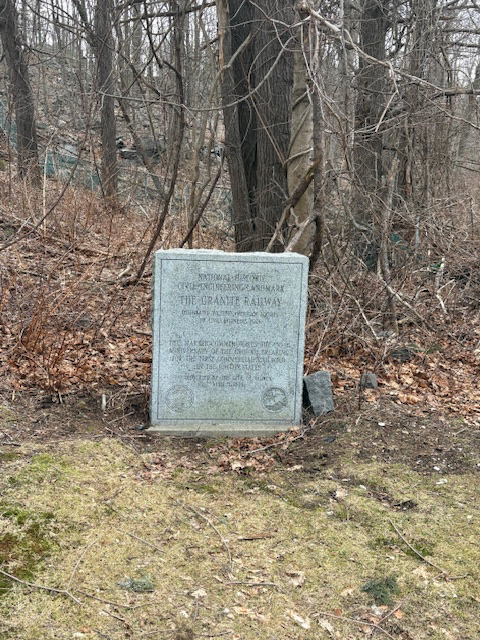
The Granite Railway
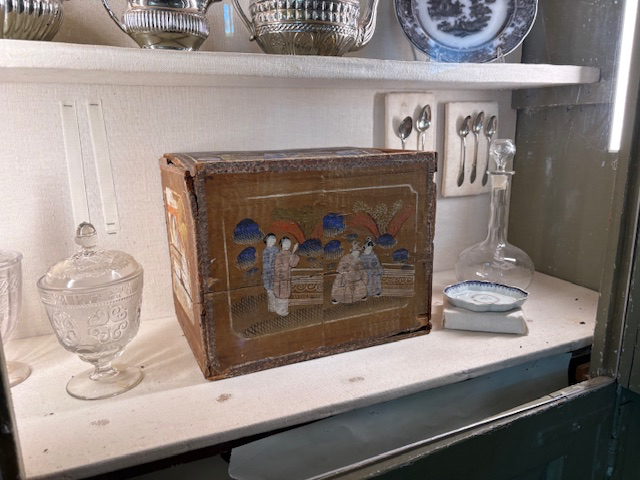
Hidden at the end of Mullin Avenue in West Quincy are the remains of the historic Granite Railway Incline, part of the pioneering Granite Railway system that began operating in 1826. The railway was created to transport enormous blocks of granite from the Quincy quarries to a wharf on the Neponset River in Milton. From […]
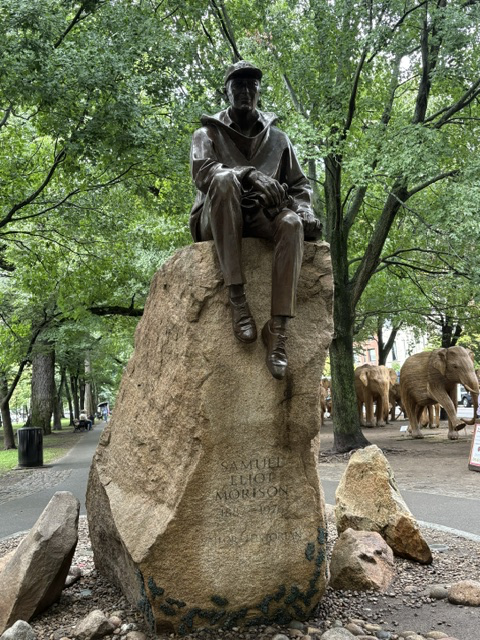
Samuel Eliot Morison Memorial
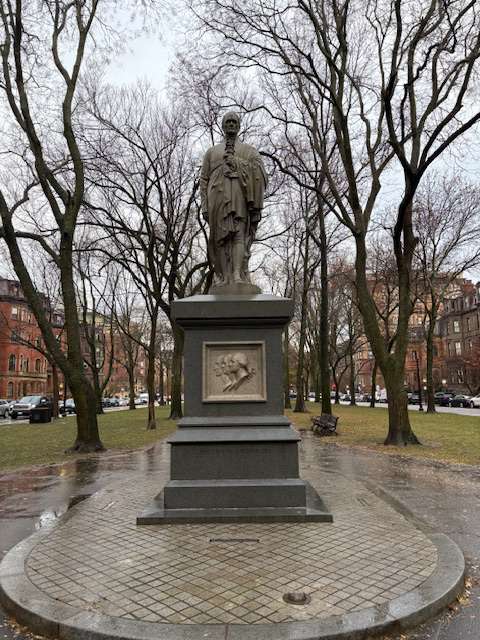
Walking along the Commonwealth Avenue Mall reveals a series of monuments honoring people connected to Boston and the wider world. Among them is a particularly distinctive sculpture of Samuel Eliot Morison. Rather than placing him formally on his feet or astride a horse, sculptor Penelope Jencks portrayed him as a sailor seated on an enormous […]
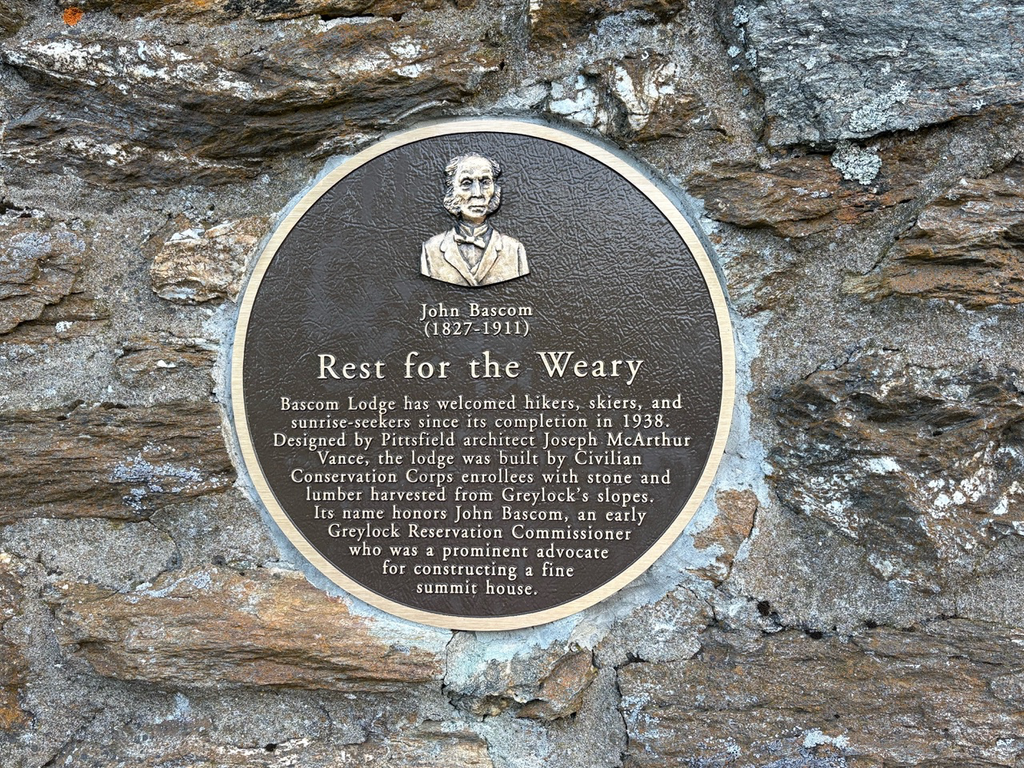
John Bascom Plaque
While exploring Mount Greylock, we stopped at Bascom Lodge, the rustic stone lodge near the summit that has welcomed hikers and travelers since 1938. Sitting directly along the Appalachian Trail, it remains an important stopping place for hikers making their way across Massachusetts, as well as for those of us simply exploring the mountain. While […]

