“John Eliot Speaks to the Natick Indians.”
One of the most thought-provoking works of art in my hometown hangs in an unexpected place—the downtown Natick Post Office.
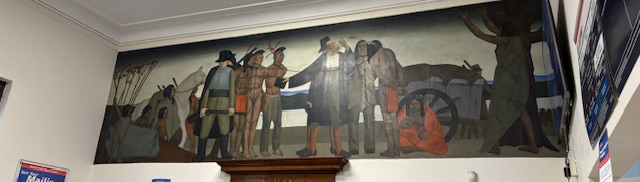
Painted in 1937 by Natick artist Hollis Howard Holbrook as part of the New Deal’s federal post office mural program, John Eliot Speaks to the Natick Indians depicts one of the most significant and tragic moments in Natick’s history. The mural portrays the Reverend John Eliot offering comfort to the Natick Praying Indians as they were being forced from their homes and sent to Deer Island during King Philip’s War in 1675. Many of those interned on the island died from disease, starvation, and exposure during the harsh winter.
For decades, the mural was viewed as an important reminder of Natick’s origins and the relationship between John Eliot and the Praying Indians. More recently, however, it has become the subject of thoughtful discussion within the community. Some Native descendants, historians, and residents have questioned whether the mural presents the story through the perspective of a 1930s non-Native artist, placing John Eliot at the center while giving less voice to the experiences and resilience of the Native people themselves. Others believe the mural should remain on display because it depicts a painful but important chapter in local history, provided it is accompanied by historical context.
I have always found the mural to be compelling, not because it provides every answer, but because it encourages questions. It reminds us that history is often complex and that our understanding of the past continues to evolve. The mural captures an event that shaped the history of Natick, while the conversations surrounding it today remind us that history is not only about preserving artifacts. It is also about listening to different perspectives and seeking a fuller understanding of the people whose stories they represent.
Whether viewed as a work of New Deal public art, a depiction of one of Natick’s defining historical events, or a catalyst for discussion about how history is portrayed, the mural continues to serve an important purpose. More than eighty years after it was painted, it still invites visitors to stop, look closely, and think about the many layers of Natick’s history.
Read More From Nancy
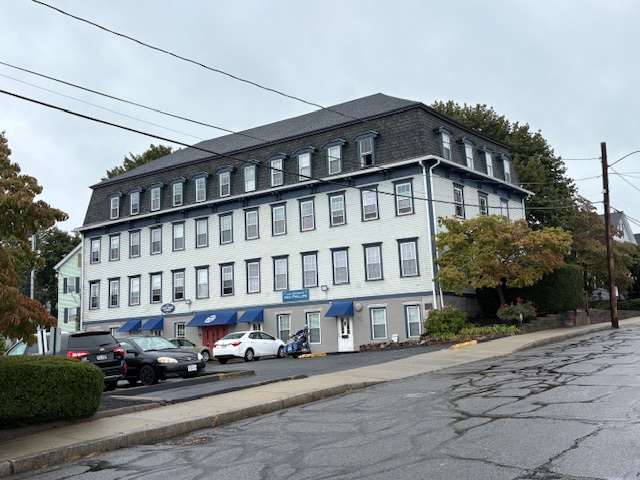
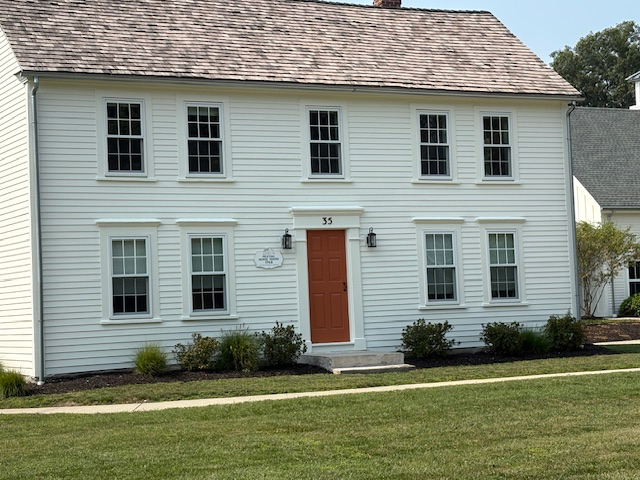
The Harwood Baseball Factory
In 1858, Harrison Harwood, a Natick resident and local businessman, built what would become one of the most historically significant small factories in American sports: The Harwood Baseball Factory. This factory was more than a local industry, but the birthplace of professional baseball. Harwood’s factory was the first in the US devoted entirely to the manufacture of […]
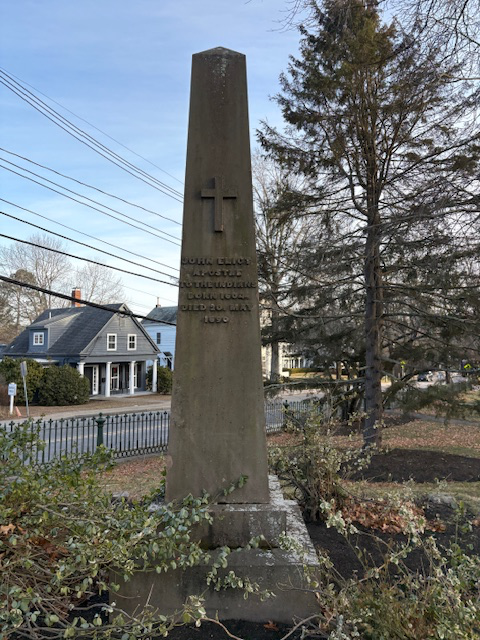
The John Eliot Monument
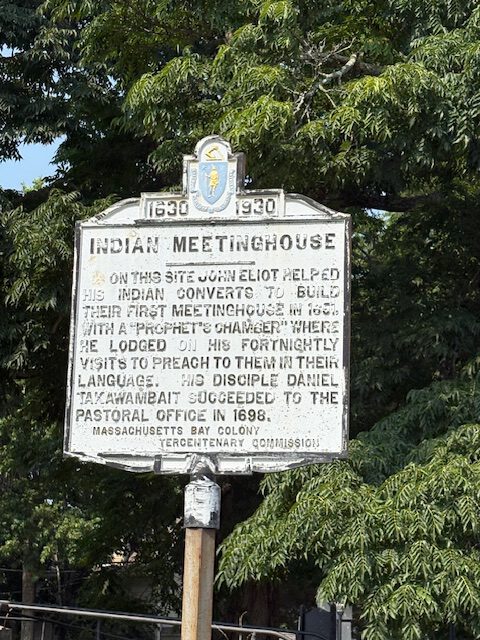
Standing quietly on a hill overlooking South Natick is this monument honoring John Eliot, the Puritan missionary often known as the “Apostle to the Indians.” Eliot devoted much of his life to working with the Native peoples of Massachusetts and is remembered for his efforts to share Christianity and establish communities known as “Praying Indian” towns. Arriving in […]
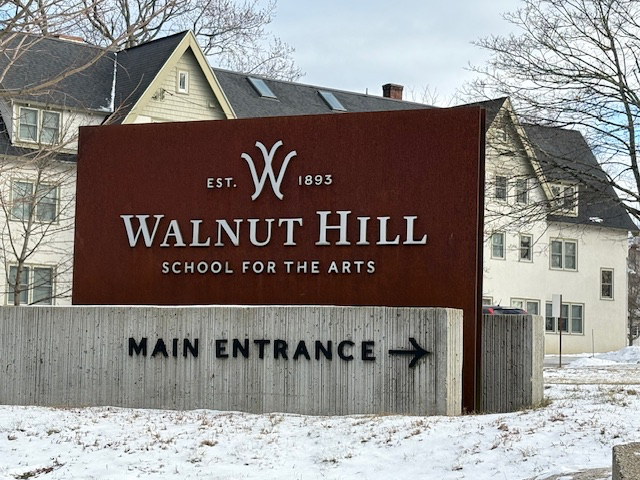
Walnut Hill School for the Arts
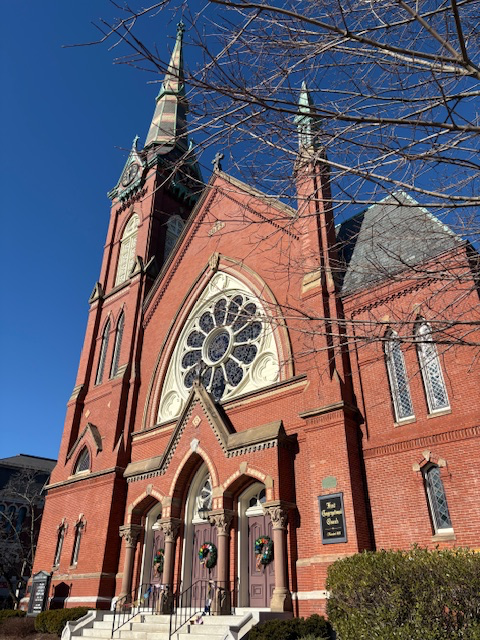
For more than 130 years, Walnut Hill School has been one of Natick’s most distinctive institutions. Founded in 1893 by Wellesley College graduates Florence Bigelow and Charlotte Conant, the school began as a college preparatory boarding school for young women. At a time when opportunities for women in higher education were still expanding, Walnut Hill […]

