The Peletiah Morse Tavern
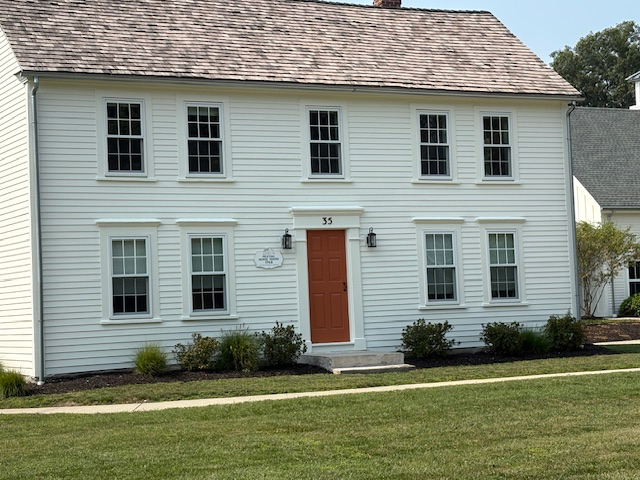
Within less than a mile from my home lies the historic heart of South Natick. From the legacy of the Praying Indians to the colonial homes and 19th-century landmarks that still line the streets, this small village holds a deep well of history waiting to be shared
Today, I share one of these colonial treasures, the Peletiah Morse Tavern
The tavern was built in 1748 by Peletiah Morse, the son of early settler Samuel Morse, whose home once stood beside it. At that time, South Natick was a small settlement on the edge of the old Boston Post Road, the main route that connected Boston to New York. For travelers in the mid-1700s, Morse’s tavern was a welcome sight: a warm fire, a meal, a place to stable horses and share the latest news carried by the stagecoaches that rattled along the road.
Like so many gathering places in the years leading up to the American Revolution, it became a center of community and purpose. Here in South Natick, local men met to drill as minutemen, preparing for the uncertain future that loomed ahead.
As time moved forward, the tavern continued to serve travelers well into the early 1800s and today the building remains remarkably intact as part of a local school (The Riverbend School)
Read More From Nancy
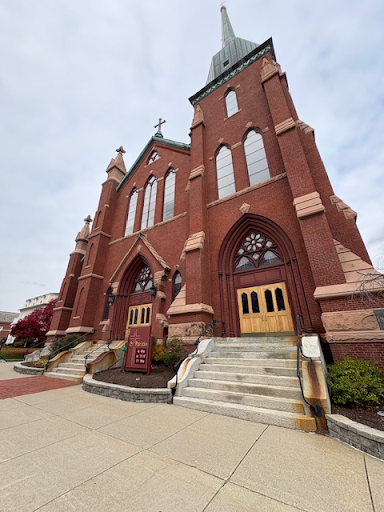
St. Patrick’s Church
The cornerstone of St. Patrick’s Church, laid in 1892, marks more than the construction of a building. It represents the beginning of an enduring Catholic presence in Natick. Before this time, Catholic families gathered in borrowed halls, private homes and makeshift chapels, worshipping quietly in a community still defined by its Protestant roots. By the late […]
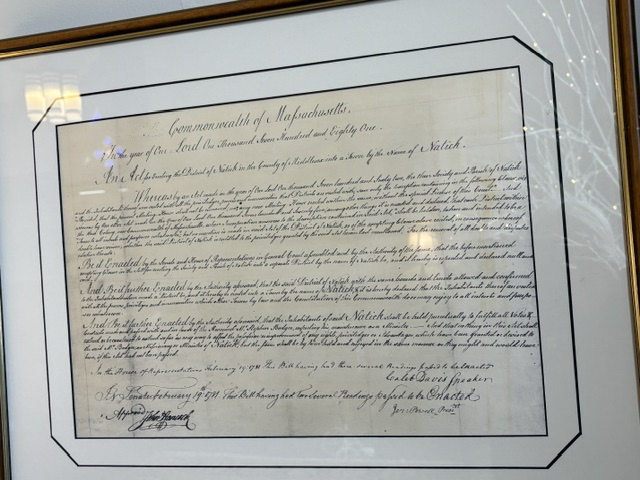
Natick’s Act of Incorporation
Natick’s history began long before it became an incorporated Massachusetts town. In 1651, the missionary John Eliot and a group of Indigenous Christian converts established Natick as one of New England’s first “Praying Towns.” The community developed its own systems of worship, government and agriculture while also enduring increasing colonial control, the loss of land […]
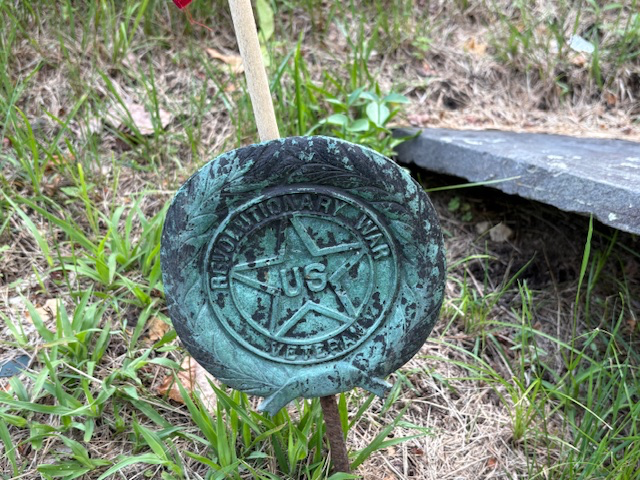
Revolutionary War Medallion
I enjoy wandering through old cemeteries and to the small symbols that mark the lives of people who came before us. Among the most powerful markers are the medallions places at the graves of Revolutionary War veterans, each one a reminder of the earliest defenders of our young nation resting beneath New England’s grass. As I explored these burying […]

