The Harwood Baseball Factory
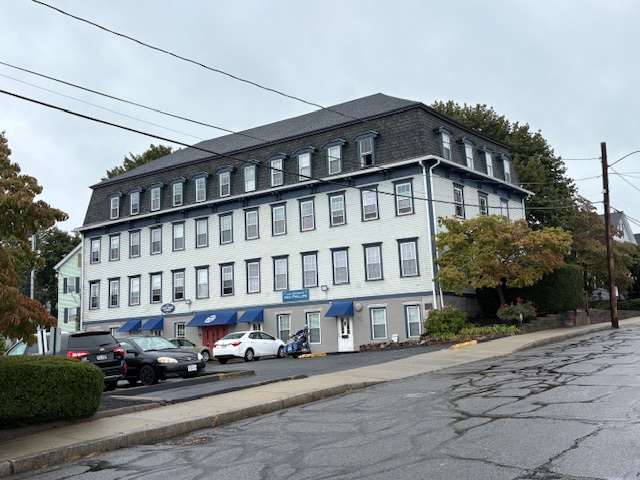
In 1858, Harrison Harwood, a Natick resident and local businessman, built what would become one of the most historically significant small factories in American sports: The Harwood Baseball Factory. This factory was more than a local industry, but the birthplace of professional baseball.
Harwood’s factory was the first in the US devoted entirely to the manufacture of baseballs. Until this time, balls were handmade by players, cobblers or small workshops, each one slightly different in size, weight and bounce. Harwood saw the growing popularity of the game and recognized the need for a standardized, reliable ball for professional play.
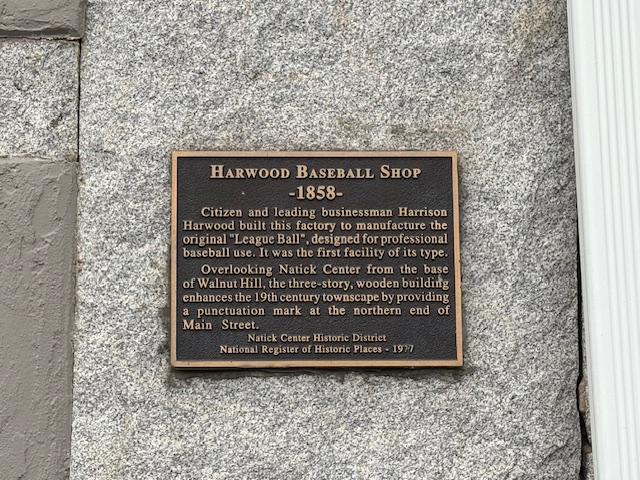
His factory produced what became known as the “League Ball”, the first baseball designed and manufactured for consistent use in organized competition. These balls were meticulously hand-stitched and wound according to precise specifications. This was a revolutionary step that helped transform baseball from a local pastime into a structured national sport.
The Harwood Baseball Factory gave the young game of baseball both uniformity and legitimacy.
The company continued to manufacture baseballs well into the early 20th century. For more than sixty years, its balls were used for amateur clubs, professional leagues and school teams across the country. By the 1920s, as large sporting goods manufacturers expanded nationally, Harwood’s small family business could no longer compete, and operations came to an end.
Read More From Nancy
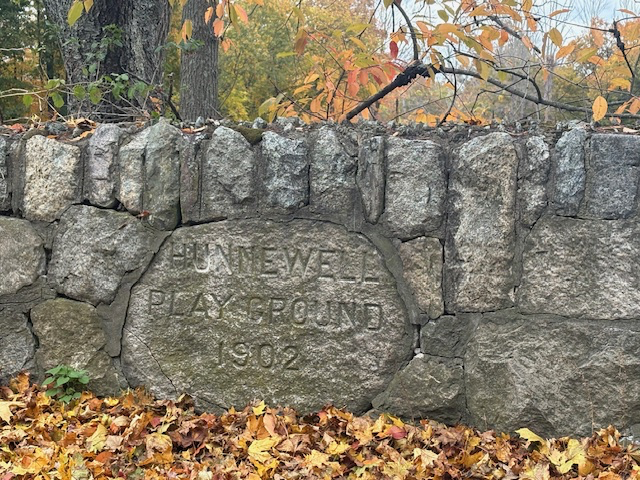
Hunnewell Playground
On my walks along Pleasant Street in South Natick, there is a large granite stone carved with these simple, bold words: “Hunnewell Playground – 1902” This stone holds a story of public generosity in Natick. The name Hunnewell carries deep roots in this region. The Hunnewell family, whose estate spread across Wellesley and into parts […]
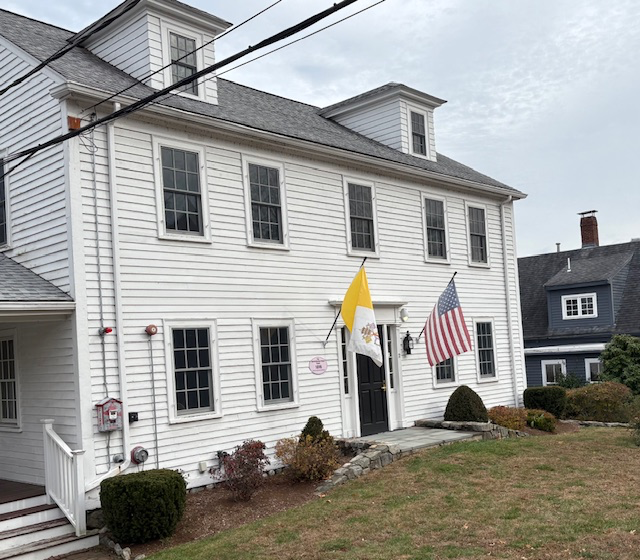
Home of Calvin Ellis Stowe
This 1816 Federal-style home in South Natick was the childhood home of Calvin Ellis Stowe a biblical scholar and later the husband of Harriet Beecher Stowe, author of Uncle Tom’s Cabin. Calvin Stowe became a scholar of Hebrew and biblical literature and met Harriet Beecher at the Lane Seminary in Cincinnati. They married in 1836, and […]
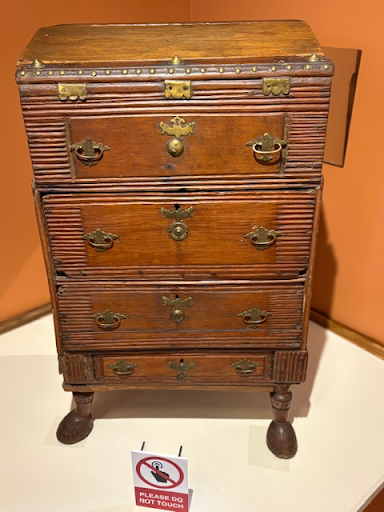
Daniel Takawampit
Daniel Takawampbit, an Algonquian leader, stands as one of the most extraordinary and overlooked figures in New England’s Colonial past. He was the first Natick American ordained as a Puritan minister, the student and successor of John Eliot, and a spiritual guide to the Praying Indian community of Natick during some of the most challenging […]

