Walnut Hill School for the Arts
For more than 130 years, Walnut Hill School has been one of Natick’s most distinctive institutions. Founded in 1893 by Wellesley College graduates Florence Bigelow and Charlotte Conant, the school began as a college preparatory boarding school for young women. At a time when opportunities for women in higher education were still expanding, Walnut Hill offered an academically rigorous education that prepared its students for admission to leading colleges, particularly nearby Wellesley College.
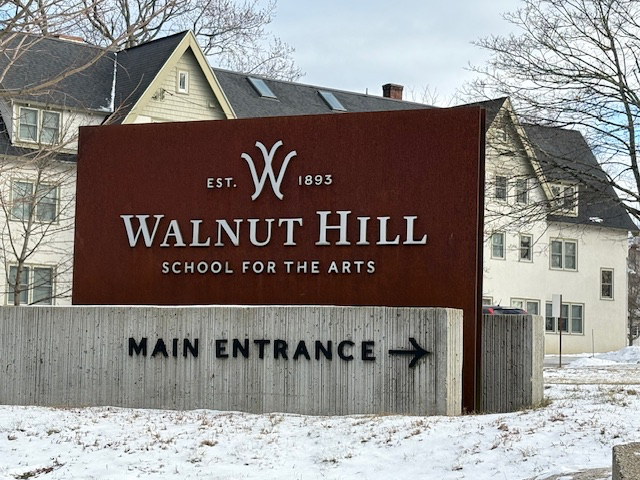
From its earliest years, the school placed a strong emphasis on the arts. Music, painting, theater, and literature were considered essential parts of a well-rounded education rather than simply extracurricular activities. Among its early students was Pulitzer Prize-winning poet Elizabeth Bishop, whose years at Walnut Hill reflected the school’s long tradition of encouraging artistic and intellectual excellence.
By the early 1970s, independent education was changing, and Walnut Hill made a bold decision that would redefine its future. In 1973, the school became coeducational and transformed itself into a school dedicated specifically to the arts. Rather than abandoning its academic heritage, Walnut Hill built upon it, combining an intensive college preparatory curriculum with professional-level artistic training. This innovative approach quickly earned the school a national reputation and attracted talented students from across the United States and around the world.
One of the school’s most significant milestones came in 1981 when it partnered with the Boston Ballet. The collaboration created an environment where aspiring dancers could receive world-class ballet training while continuing a rigorous academic education. Over the years, the school expanded its offerings to include dance, music, theater, visual art, and, more recently, writing, film, and media arts, preparing students for careers on stages, in studios, and in creative professions throughout the world.
Today, Walnut Hill is recognized as one of the nation’s premier independent arts high schools. Its campus in Natick welcomes students from dozens of states and many countries, creating a vibrant community where artistic talent and academic achievement develop side by side.

Read More From Nancy
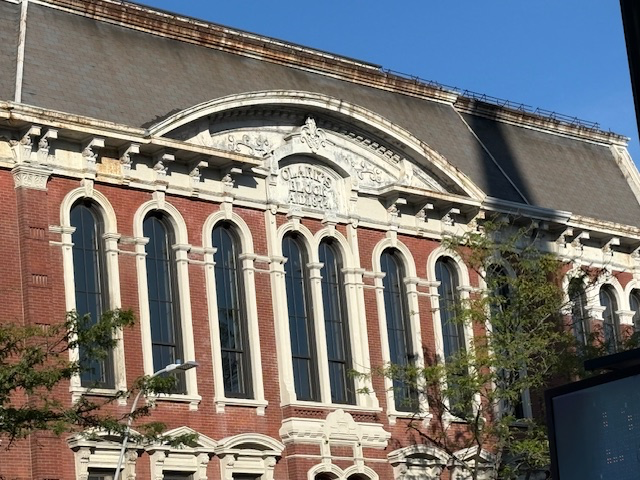
The Clark Block
In the center of Natick is this prominent commercial building labeled the Clark Block, 1874. Like many buildings constructed during that period, it reflects the growth of Natick as a busy manufacturing and commercial town in the later nineteenth century. During this time Natick was becoming well known for its boot and shoe industry, which helped transform what had once […]
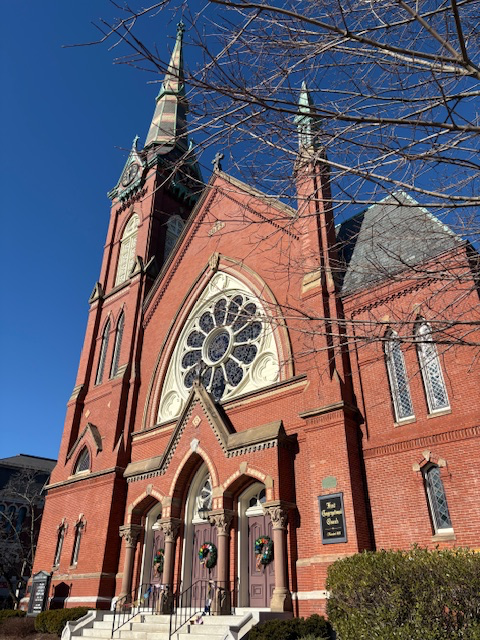
First Congregational Church in Natick
The church stands prominently in downtown Natick. This is the seventh meeting house of the Natick’s First Church, a congregation established in 1651 by John Eliot. Reverend Eliot was a Puritan missionary known as the “Apostle to the Indians” Worship in those earliest years was conducted largely in the Algonquian language, and the meetinghouse stood at the center […]
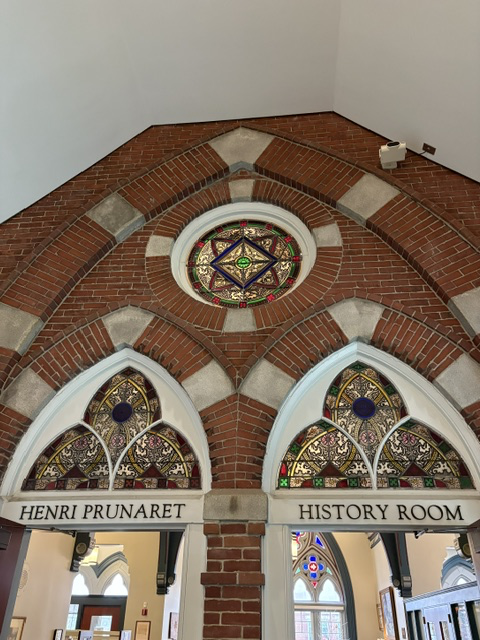
The Henri Prunaret History Room
Living in Natick, I have passed through the Morse Institute Library many times, but there are details inside the building that connect directly to the history of the town. One of them is this beautiful entrance to the Henri Prunaret History Room, framed by old brickwork, Gothic arches, and colorful stained glass. The Morse Institute […]

