History You Can Feel
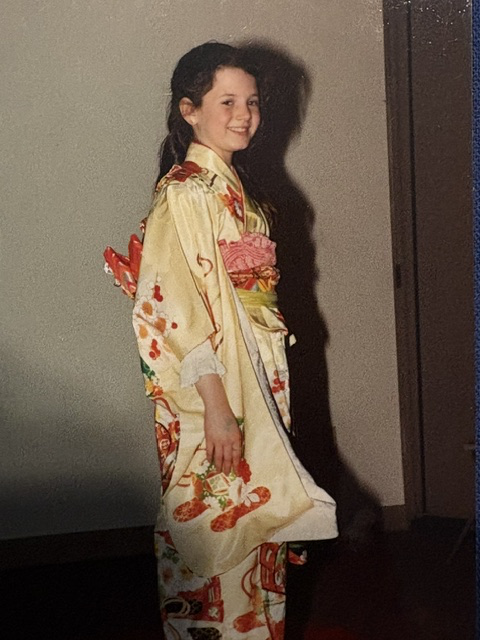
Now that my children are adults, I can see which parts of their education stayed with them and which they set aside as they found their own paths. As a parent, I enjoyed exploring the world with them. Some lessons were necessary; others left room for their interests to lead us. The creative part was finding a way to bring each subject within their reach.
History was an important part of our curriculum. I have often heard people say they “hate history”, and I have never quite understood it. History is what has been. Like our own lives, it unfolds through ordinary days, difficult choices, unexpected events, and the passage of time. I wanted my children to see the people within it, rather than remember only names and dates.
We read books, but we also visited places connected to the stories we were learning. At times, the children dressed in clothing from another period. That invited questions a book alone might not have prompted. What did the fabric feel like against their skin? Could they move freely, or did the clothing change how they walked, sat, and worked? How might it feel to wear those clothes every day?
Those experiences mattered to me because learning involves the whole child. The brain develops through an ongoing exchange with the world: a child sees and hears, touches and moves, notices something surprising, and asks a question. Experience helps shape and strengthen the connections that support learning. When a child returns to an idea in several ways: reading about it, visiting a place, handling an object, talking it through. the new experience has something familiar to connect with.
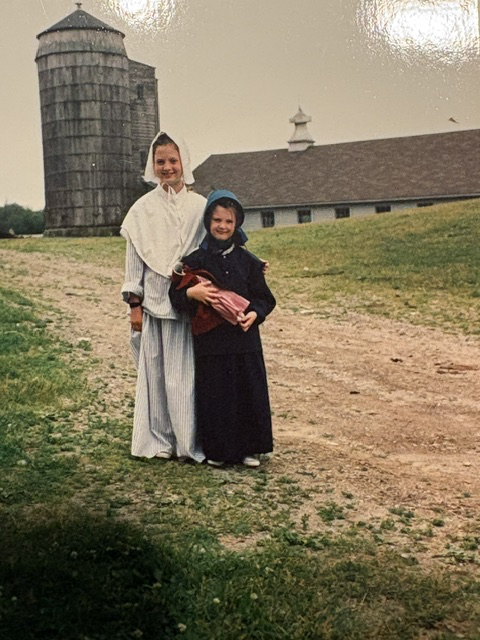
The conversation was as important as the visit. If one of my daughters noticed how hard it was to move in a period dress, we could wonder together what daily work had been like for the person who wore one. Her observation became a question about someone else’s life. In that exchange, sensory experience opened the door to imagination and understanding. Responsive conversations between children and adults also play a part in how children learn and develop.
I could not know which lessons my daughters would carry into adulthood. I could give them books, take them to places, let them feel and explore, and make room for their questions. To me, that was the heart of hands-on learning: sharing the world with them while they discovered how they wanted to know it.
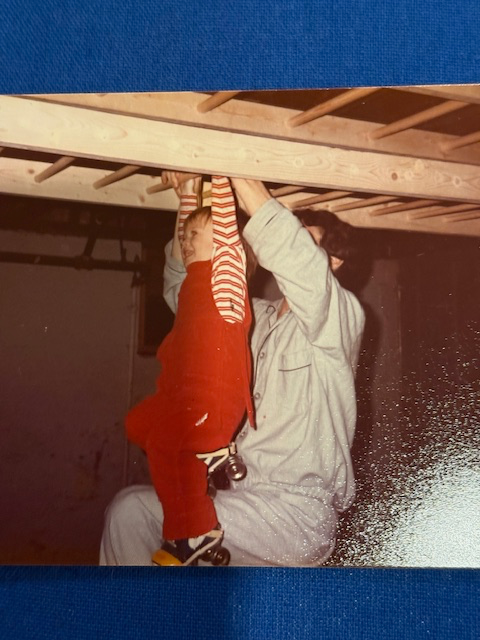
Read More From Nancy
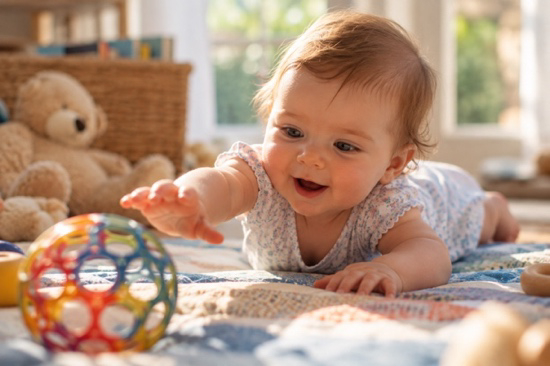
Your Baby’s Brain Is Just Beginning
A newborn arrives with an extraordinary capacity to learn and adapt. Although much of the basic structure of the brain is already present at birth, the connections between nerve cells are developing at an incredible rate. During the first two years, the brain undergoes tremendous growth and organization. Everyday experiences provide information that helps shape […]
Brain Grows by Repetition
One important principle I have come to understand, and one that sits at the heart of It’s All in the Head, is that the brain develops through use. The brain does not simply grow with time it grows through experience. Each level of brain development is built upon the successful repetition of the level below it. […]
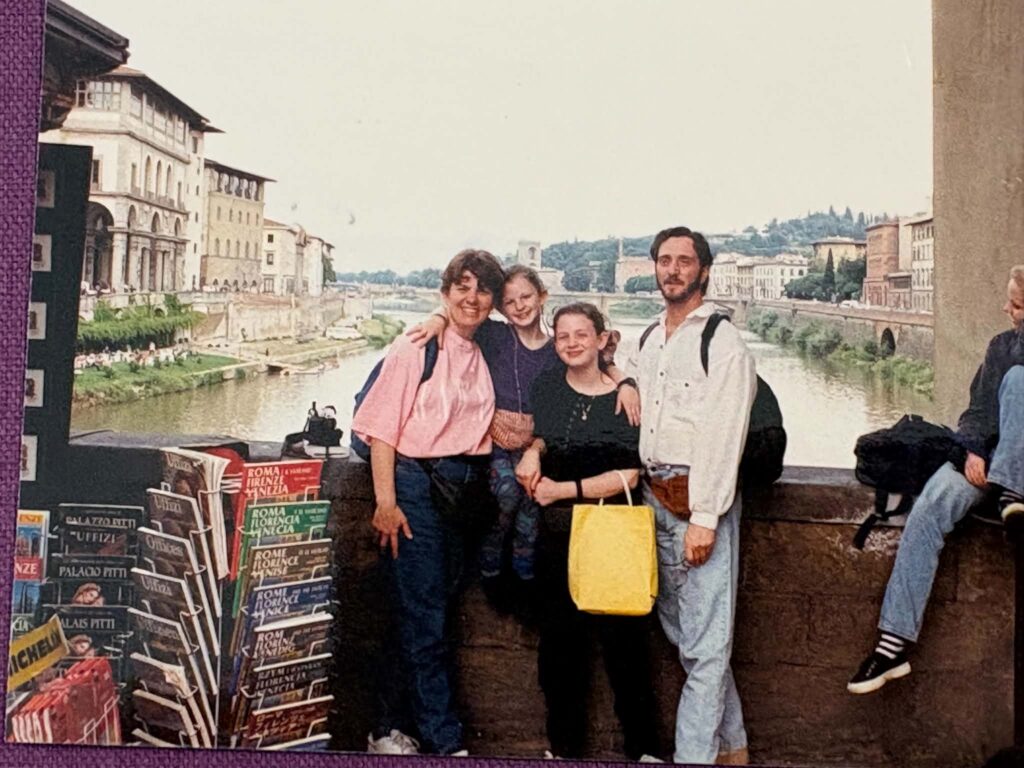
Every Journey Shapes a Child
Looking at this photograph of our family in Florence brings back so many wonderful memories. Like so many of our travels, this trip wasn’t simply about seeing famous places. t was about experiencing the world together. We explored museums, walked ancient streets, crossed historic bridges, discovered new cultures, and shared countless conversations along the way. […]

