Brain Grows by Repetition
One important principle I have come to understand, and one that sits at the heart of It’s All in the Head, is that the brain develops through use.
The brain does not simply grow with time it grows through experience.
Each level of brain development is built upon the successful repetition of the level below it. In other words, higher brain function is not something that just “turns on” as a child ages, it is something that is constructed through movement, interaction and related neurological input. The number of times a lower-level function is activated and integrated directly influences the strength and stability of the next level of development.
Primitive reflexes, basic movement patterns, sensory experiences, these are not just milestones to be checked. They are the foundation. Every time a baby lifts their head, tracks with their eyes, reaches, rolls or pushes up, they are not just “learning a skill”, they are building the neurological pathways that will support balance, coordination, learning, behavior and higher cognitive function later in life.
If those lower-level skills are repeated, integrated and organized, the brain has the information it needs to move forward. But they are skipped, limited or altered, the next level of development may not have the same stability to build upon.
As parents and practitioners, when we understand that brain development is a process driven by use and repetition, we begin to see children differently. We begin to recognize that what looks like a simple movement, or a missed milestone is actually part of a much larger neurological story.
In “It’s All in the Head”, this is the lens through which we evaluate development. The brain grows not by chance, but by experience, repetition and opportunity.
Read More From Nancy
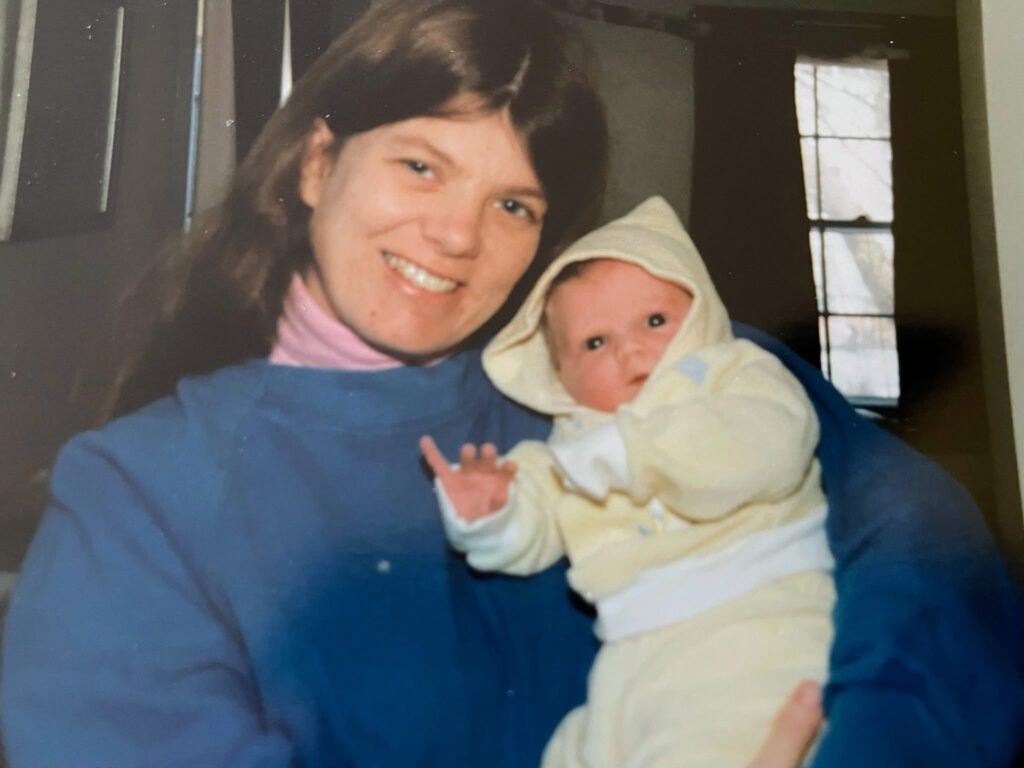
Preparing for Birth: From Perfection to Perspective
I often think about the preparation that goes into a first pregnancy. Some of us begin even before we conceive, while most of us dive in during those nine months of anticipation. This was certainly true for me. In my first pregnancy, preparation was an exploration — through books, conversations with elders who could guide […]
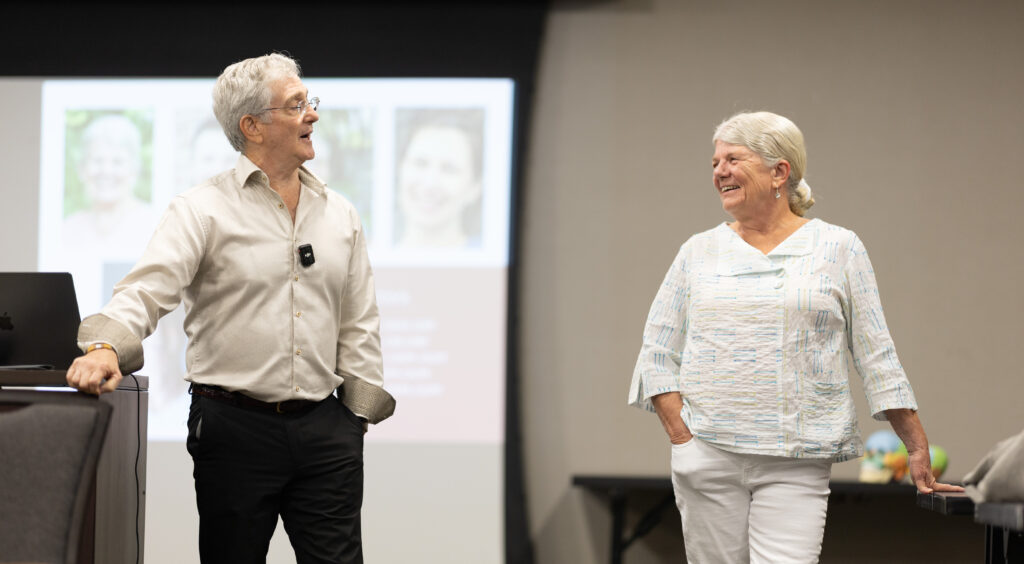
Your Intuition Matters
If I could sit across from every new mother, I would tell her: Your intuition matters. In my years as both a mother and chiropractor, I’ve seen how often parents sense that something isn’t quite right, even when professionals reassure them that everything is “fine”. Fine is not the same as thriving. In our book: “It’s […]
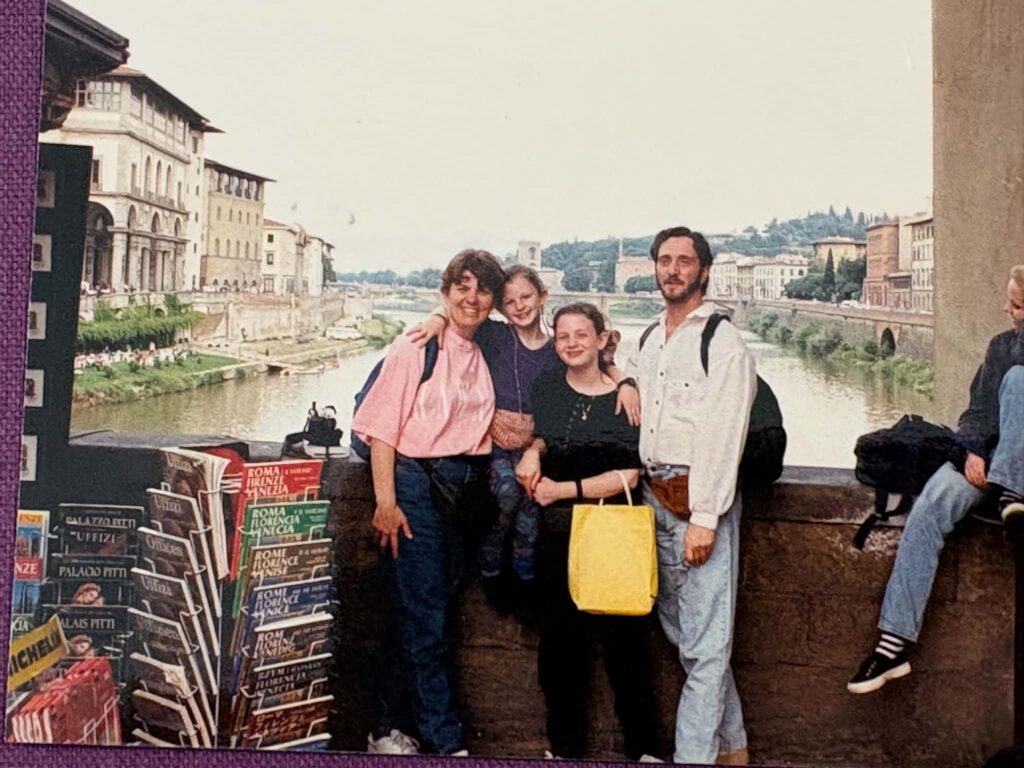
Every Journey Shapes a Child
Looking at this photograph of our family in Florence brings back so many wonderful memories. Like so many of our travels, this trip wasn’t simply about seeing famous places. t was about experiencing the world together. We explored museums, walked ancient streets, crossed historic bridges, discovered new cultures, and shared countless conversations along the way. […]

