What We Chose to Give Them
The brain grows through stimulation. Whether that stimulation comes from chaos or from an organized and enriched environment, the developing brain responds and adapts to what surrounds it. We cannot control everything our children will encounter, nor can we determine exactly how they will interpret those experiences. But as parents, we do have some control over the environments we expose them to and the opportunities we place before them.
Travel, culture, history, and education were values that Marty and I shared as we raised our two daughters. We wanted Emily and Erin to experience the world beyond their own home and community. Museums, historic houses, national parks, monuments, old churches, archaeological sites, and cities became part of their childhood. Sometimes there was a carefully planned lesson involved, but often there wasn’t. We simply went somewhere, looked around, asked questions, and discovered what was there.
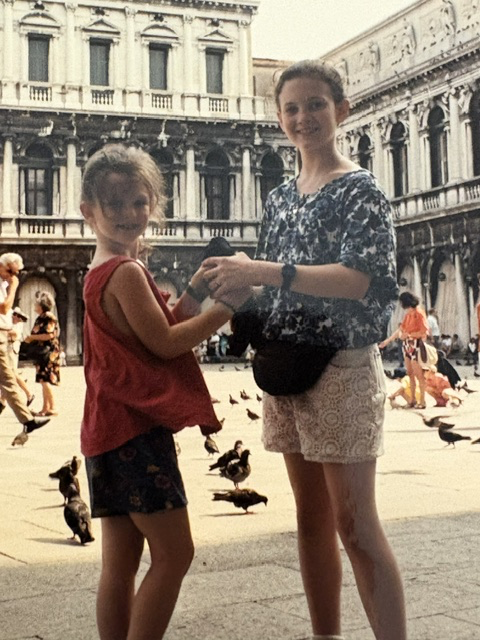
This photograph of the girls in Venice captures that part of their childhood beautifully. They are standing in Piazza San Marco surrounded by centuries of architecture and history, but at that moment they seem much more interested in the pigeons. And perhaps that is exactly how it should have been. We brought them to Venice; what they noticed, enjoyed, and remembered belonged to them.
As parents, we sometimes imagine that if we expose our children to the things we value, they will automatically value those same things. It doesn’t work that way. We can introduce them to art, take them through museums, walk them across battlefields, bring them into historic houses, travel with them to other countries, and tell them the stories of the people who came before us. But eventually they decide for themselves what those experiences mean.
As our daughters grew into adulthood, it became clearer which of the values and experiences from their childhood they had absorbed and carried forward and which they chose to leave behind. That, too, is part of growing up. Our responsibility was never to create copies of ourselves. It was to give them a rich enough world from which they could make their own choices.
Looking back now, there are certainly things I might have done differently as a parent. But this is not one of them. If I had the opportunity to raise my children all over again, I would once again pack everyone into the car, get on the plane, walk through the museum doors, climb the monument, wander through the old house, and stand together in places where history happened. I would expose them to the world again and then leave it to them to decide what they wanted to carry forward.
Read More From Nancy
Your Intuition Matters
If I could sit across from every new mother, I would tell her: Your intuition matters. In my years as both a mother and chiropractor, I’ve seen how often parents sense that something isn’t quite right, even when professionals reassure them that everything is “fine”. Fine is not the same as thriving. In our book: “It’s […]
Every Journey Shapes a Child
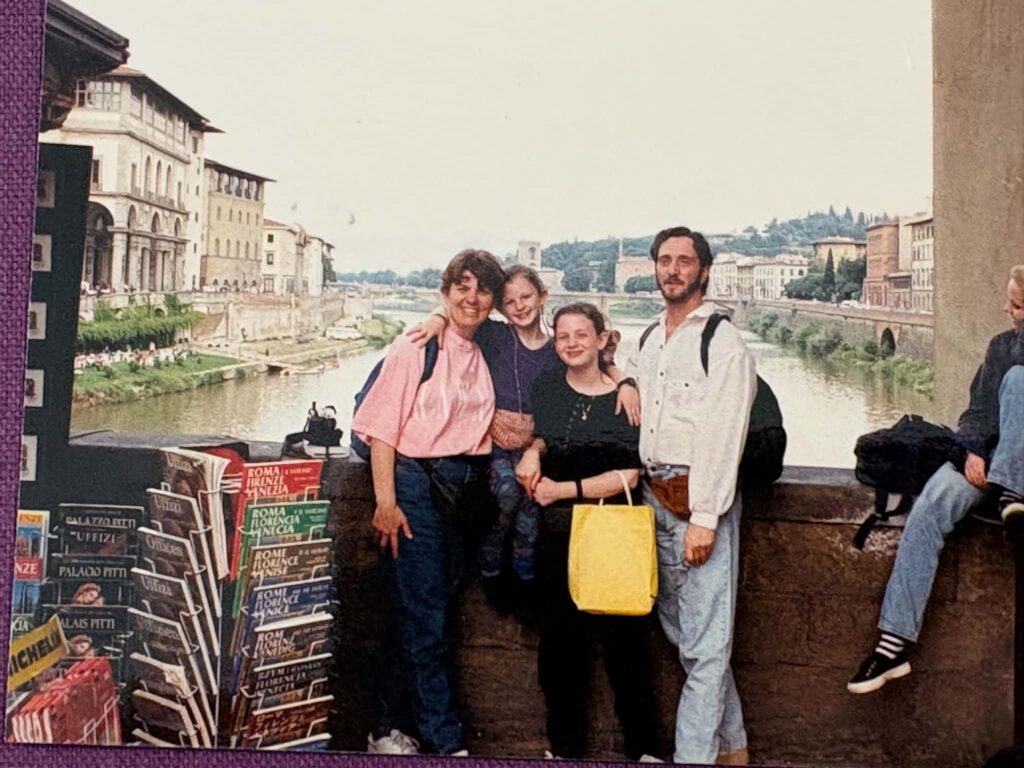
Looking at this photograph of our family in Florence brings back so many wonderful memories. Like so many of our travels, this trip wasn’t simply about seeing famous places. t was about experiencing the world together. We explored museums, walked ancient streets, crossed historic bridges, discovered new cultures, and shared countless conversations along the way. […]
All in the Head
When Marty and I first wrote “It’s All in the Head”, it was born from decades of experience. But it was also born from a desire to protect potential. As a mother, nothing matters more to me than watching a child unfold fully into who they are meant to be. Parents deserve reassurance and direction. Our […]

