Fundy National Park
Our drive through the Bay of Fundy was spectacular. Having visited more than 400 units of the U.S. National Park System, I always look forward to exploring the national parks of other countries. Every nation preserves places that tell its own story, and Canada’s national parks have become some of my favorite destinations. They not only protect remarkable landscapes but also preserve the natural history and ecological diversity that define the country.
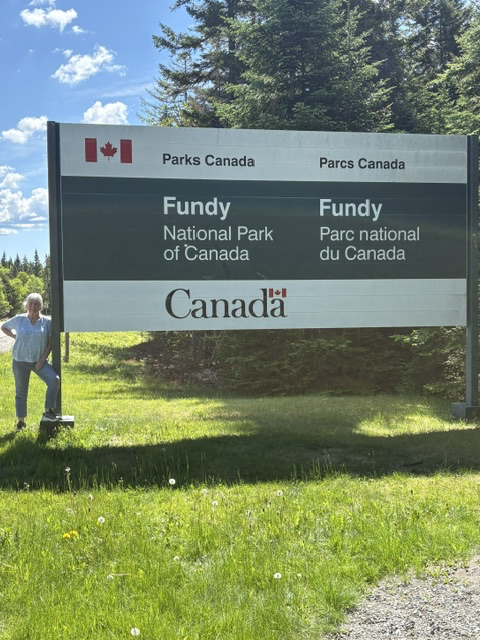
Fundy National Park, established in 1948, was Canada’s seventh national park and the first created in New Brunswick. Covering more than 200 square kilometers (80 square miles), the park stretches from the rugged coastline of the Bay of Fundy inland across the Caledonia Highlands. While the park is best known for its connection to the Bay of Fundy, much of its landscape is surprisingly different from the dramatic coastal scenery many visitors expect. Dense Acadian forests blanket the hills, while clear lakes, winding rivers, waterfalls, wetlands, and deep valleys reveal a landscape shaped by glaciers at the end of the last Ice Age more than 10,000 years ago.
The Bay of Fundy itself is one of the great natural wonders of North America. Twice each day, approximately 160 billion tons of seawater flow into and out of the bay—more water than the combined flow of all the world’s freshwater rivers. The bay’s long, narrowing shape and unique underwater topography amplify the tides, producing the highest tidal range on Earth. In some locations, the difference between low and high tide exceeds fifty feet, dramatically transforming the coastline every six hours. At low tide visitors can walk across the ocean floor, only to watch the sea return and completely cover the landscape a few hours later.
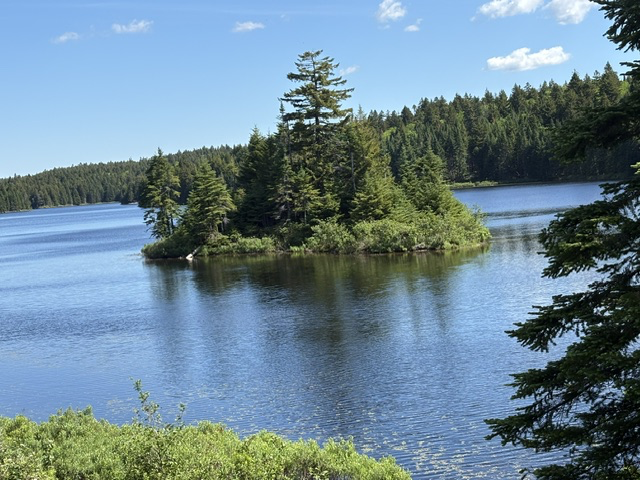
Yet one of the greatest surprises of Fundy National Park lies away from the coast. More than twenty-five lakes and ponds dot the park’s interior, creating peaceful settings that seem a world apart from the powerful tides just a few miles away. As we explored the park, we found ourselves surrounded by towering spruce, fir, maple, and birch trees reflected in calm waters, with small, forested islands adding to the quiet beauty of the scene. It was difficult to imagine that one of the most dynamic marine environments on Earth lay just beyond the hills.
The park protects one of the finest remaining examples of the Acadian Forest, a unique ecosystem found only in northeastern North America. This transitional forest blends northern boreal species with southern hardwoods, creating exceptional biodiversity. Moose, black bears, white-tailed deer, beavers, porcupines, foxes, and more than 250 species of birds make their home within the park. Numerous hiking trails lead visitors to waterfalls, scenic overlooks, coastal cliffs, and secluded lakes, offering opportunities to experience this diverse landscape from many different perspectives.
Fundy National Park also reflects Canada’s long commitment to conservation. Managed by Parks Canada, the park balances recreation with the protection of sensitive ecosystems, ensuring that future generations can experience both the dramatic tidal shoreline and the quiet interior forests. Its extensive trail system, campgrounds, interpretive programs, and scenic drives invite visitors to slow down and appreciate the many different faces of this remarkable landscape.

Read More From Nancy
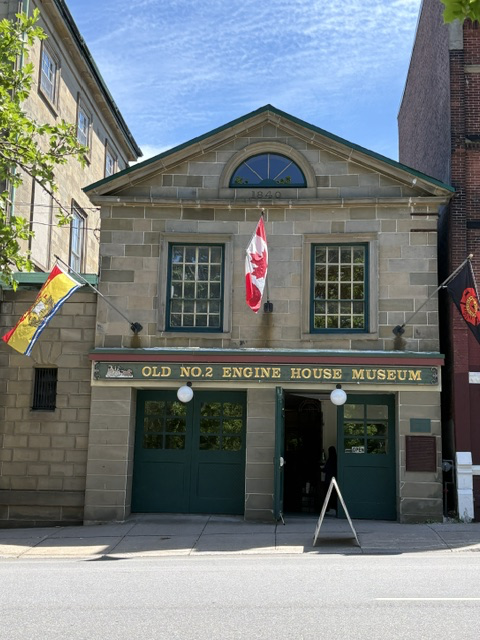
Engine House Museum
Before fire engines had motors, alarms were transmitted electronically, or firefighters were employed by the city, Saint John relied upon volunteer companies to respond when flames threatened the community. One of those companies operated from the No. 2 Engine House at 24 Sydney Street, where volunteers once pulled a hand-operated fire engine through the wide […]
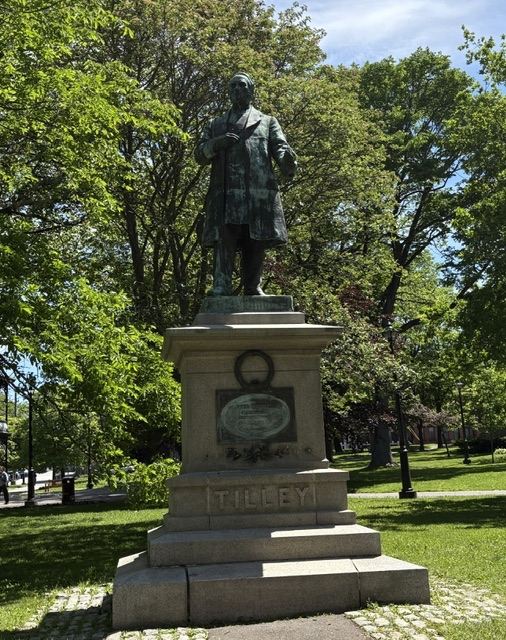
Sir Samuel Leonard Tilley
The statue standing in King’s Square honors Sir Samuel Leonard Tilley, a New Brunswick politician who helped create Canada, and who is traditionally credited with giving the new country its original title, the Dominion of Canada. Born in Gagetown in 1818, Tilley moved to Saint John as a teenager to apprentice with a pharmacist. He […]
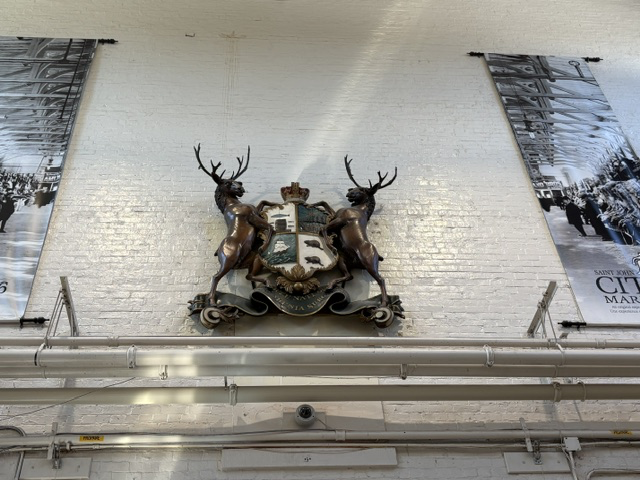
Saint John Coat of Arms
Mounted high upon the wall inside the Saint John City Market is the city’s historic coat of arms. Surrounded by two antlered moose and topped by a crown, the emblem brings together symbols representing the natural resources, maritime industries, and British institutions that shaped Saint John. The shield is divided into sections containing images associated […]

