Natick, MA
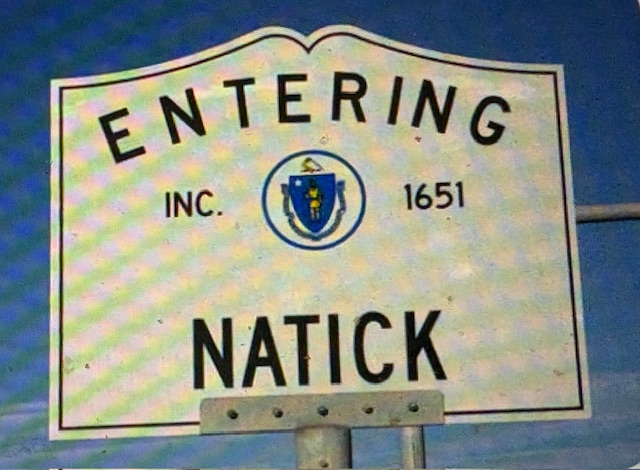
Natick was incorporated as a town in 1781, though it began in 1651 as a Praying Indian settlement founded by missionary John Eliot. Its origins as one of New England’s first organized Native American Christian communities give the town a uniquely layered and complex history. Natick has been home to me since 1987, a place where I’ve watched history and community continue to unfold.
Recent Posts
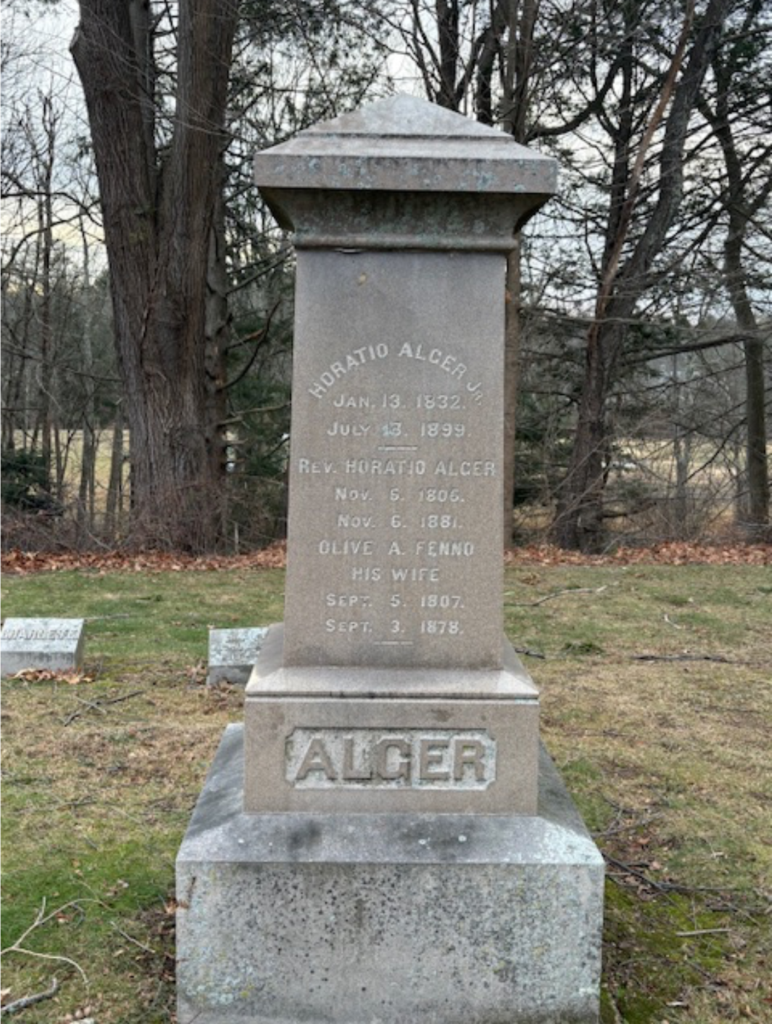
Horatio Alger’s Gravesite – Natick
This gravesite marks the Alger family plot in Glenwood Cemetery in Natick, the final resting place of Horatio Alger, Jr, one of the most read American authors of the late 19th century. Alger was born in 1832 and grew up in Natick, where his father, Rev. Horatio Alger Sr. served as pastor of the First Congregational […]
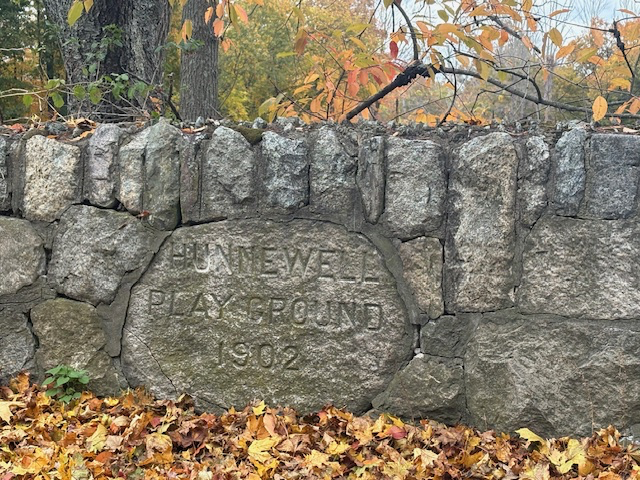
Hunnewell Playground
On my walks along Pleasant Street in South Natick, there is a large granite stone carved with these simple, bold words: “Hunnewell Playground – 1902” This stone holds a story of public generosity in Natick. The name Hunnewell carries deep roots in this region. The Hunnewell family, whose estate spread across Wellesley and into parts […]
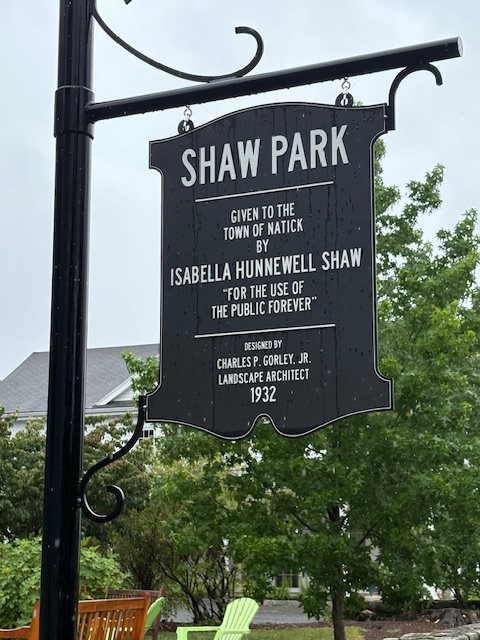
Shaw Park – South Natick
Shaw Park, located in South Natick, is not a grand park in the monumental sense. Yet, it is a space with a profound sense of intention as captured in the words that accompanied its gift to the town of Natick: “For the use of the Public Forever” These words were written by Isabella Hunnewell Shaw. […]
Parsonage House – Natick
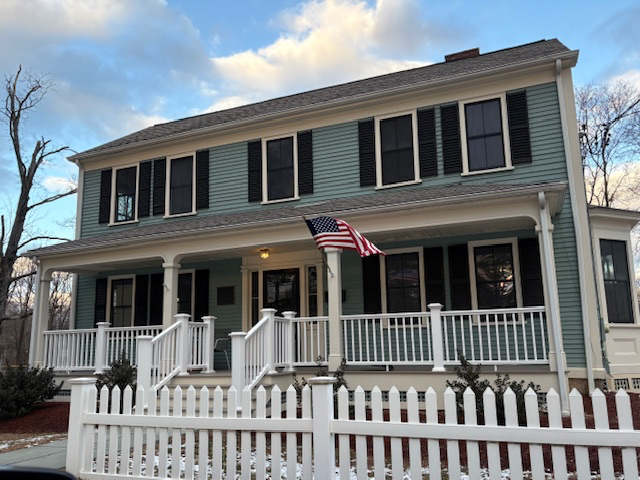
I have walked by this house hundreds of times during my walks around Natick. Today, I stopped to take a photo of the plaque outside the front door. This modest plaque marks a house known as the Parsonage. It is easy to walk past without realizing how much history is held within its walls. Built around […]
Odd Fellow Building – 1887 – Natick
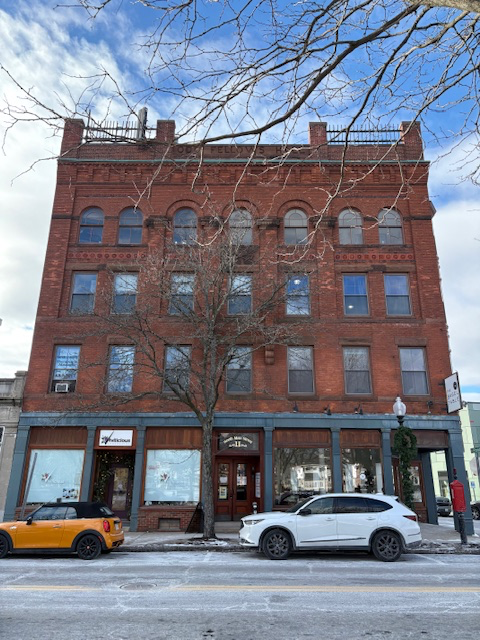
In downtown Natick, there is this brick building marked “Odd Fellow Building – 1887”. This building was purposely built as the home of the local lodge of the Independent Order of Odd Fellows, one of the most influential fraternal organizations in 19th century America. Completed in 1887, the building was designed from the outset to serve two […]
Moses Eames House
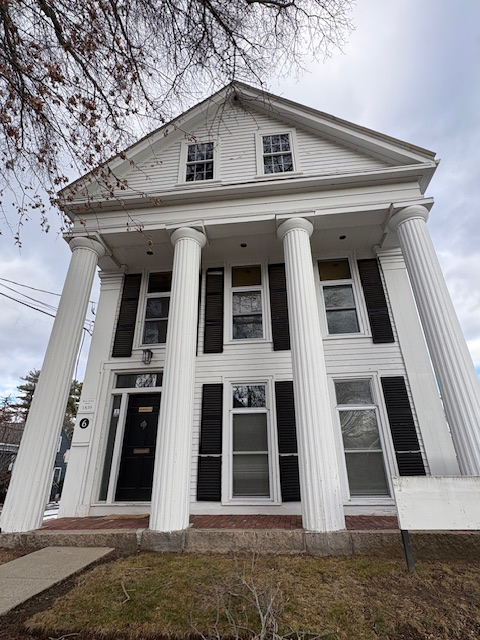
The Moses Eames House, built in 1839, is one of the most visually striking historic homes in South Natick. Finished in white clapboard and fronted by prominent classical pillars, the house is a refined example of Greek Revival architecture, a style that swept through New England in the early 19th century. The home was built […]
Glenwood Cemetery – Natick
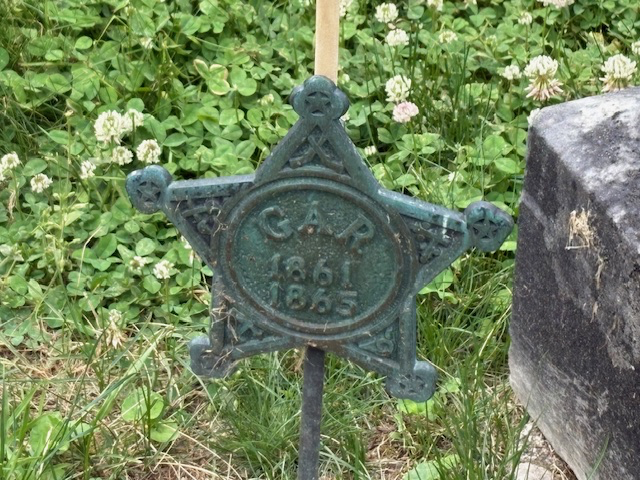
Walking through the Glenwood Cemetery in Natick, there are many of these medallions and flags on the graves of veterans. All of these medallions are a bit different, but I had to look up what GAR stood for. It turns out GAR means the Grand Army of the Republic. This was a national fraternal organization […]
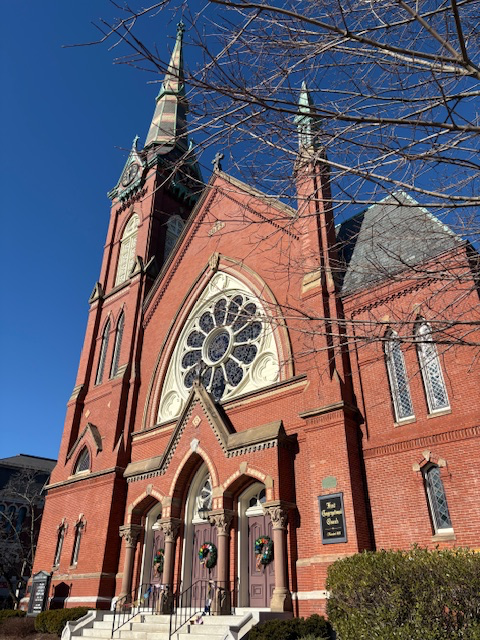
First Congregational Church in Natick
The church stands prominently in downtown Natick. This is the seventh meeting house of the Natick’s First Church, a congregation established in 1651 by John Eliot. Reverend Eliot was a Puritan missionary known as the “Apostle to the Indians” Worship in those earliest years was conducted largely in the Algonquian language, and the meetinghouse stood at the center […]
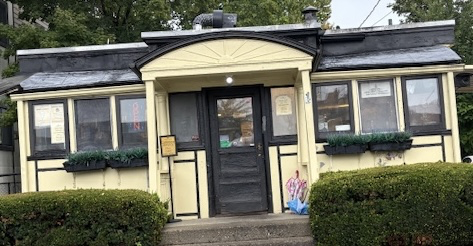
Casey’s Diner Natick
Hometown stories would not be complete without sharing Casey’s Diner. Casey’s Diner is tucked along South Avenue in Natick and has been feeding generations for over a century and remains one of the town’s most enduring landmarks. The story of Casey’s begins in 1890, when Fred Casey purchased a horse-drawn lunch wagon and began serving […]
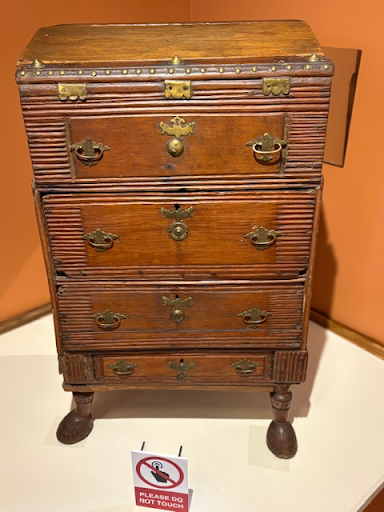
Daniel Takawampit
Daniel Takawampbit, an Algonquian leader, stands as one of the most extraordinary and overlooked figures in New England’s Colonial past. He was the first Natick American ordained as a Puritan minister, the student and successor of John Eliot, and a spiritual guide to the Praying Indian community of Natick during some of the most challenging […]
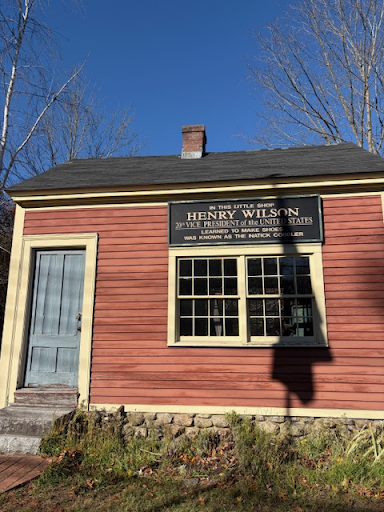
Henry Wilson House
In Natick, the small red cobbler shop where Henry Wilson once worked is modest considering the life he would go on to lead. Before he entered the Senate or became Vice President of the United States, Wilson was a cobbler, making and repairing shoes by hand. The long hours he spent at his bench were more […]
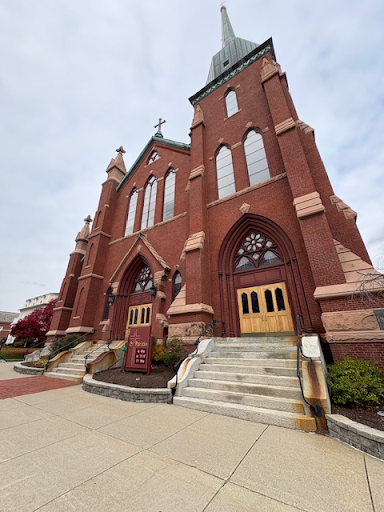
St. Patrick’s Church
The cornerstone of St. Patrick’s Church, laid in 1892, marks more than the construction of a building. It represents the beginning of an enduring Catholic presence in Natick. Before this time, Catholic families gathered in borrowed halls, private homes and makeshift chapels, worshipping quietly in a community still defined by its Protestant roots. By the late […]

