Moses Eames House
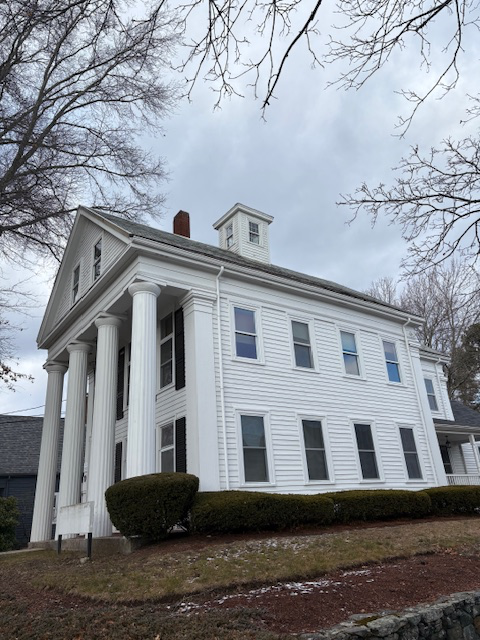
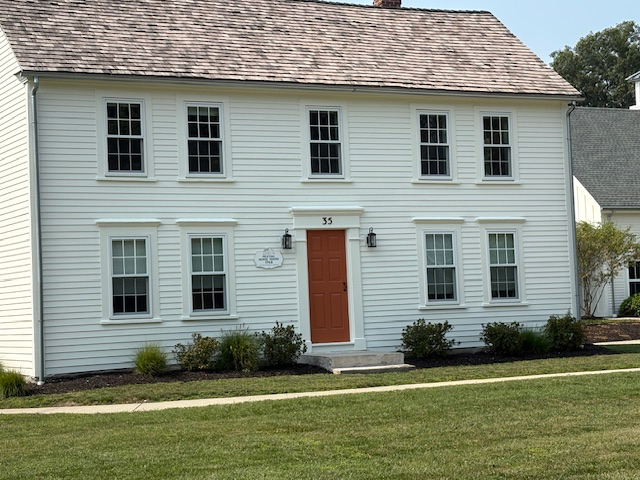
The Moses Eames House, built in 1839, is one of the most visually striking historic homes in South Natick. Finished in white clapboard and fronted by prominent classical pillars, the house is a refined example of Greek Revival architecture, a style that swept through New England in the early 19th century.
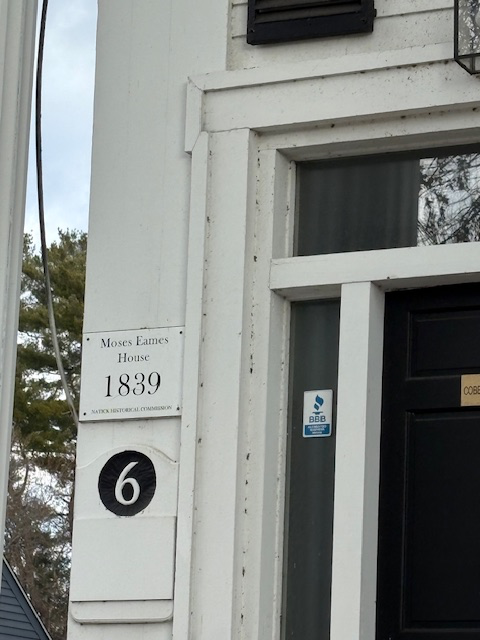
The home was built for Moses Eames, who acquired the land in the 1830s. During this period, Natick was transitioning from its early agrarian and milling roots into a more established village with prosperous residents who expressed success and civic pride through architecture. Greek Revival homes, inspired by ancient Greek temples, symbolized cultural aspiration.
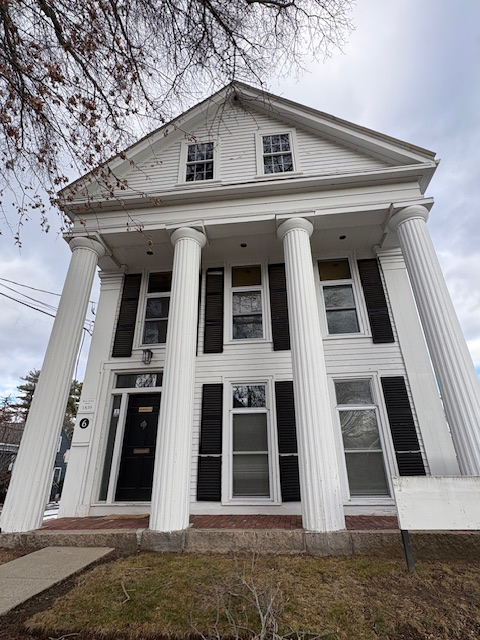
The defining features of the Moses Eames house include its classical portico supported by Doric columns. Set within the historic fabric of South Natick, the house reflects a time when architecture was used not just for shelter, but for expression. Today, the Moses Eames House remains a landmark of South Natick’s 19th century streetscape.
Read More From Nancy
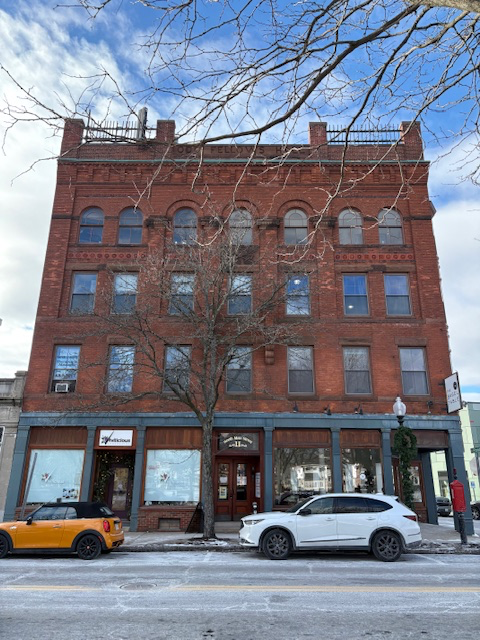
Odd Fellow Building – 1887
In downtown Natick, there is this brick building marked “Odd Fellow Building – 1887”. This building was purposely built as the home of the local lodge of the Independent Order of Odd Fellows, one of the most influential fraternal organizations in 19th century America. Completed in 1887, the building was designed from the outset to serve two […]
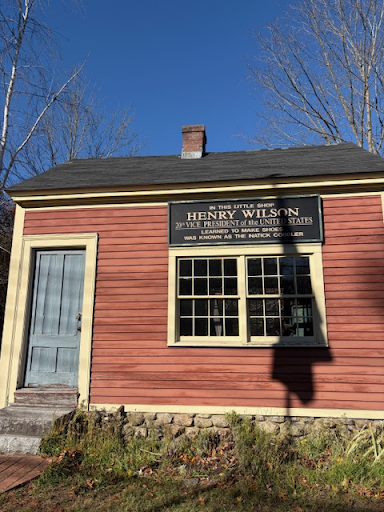
Henry Wilson House
In Natick, the small red cobbler shop where Henry Wilson once worked is modest considering the life he would go on to lead. Before he entered the Senate or became Vice President of the United States, Wilson was a cobbler, making and repairing shoes by hand. The long hours he spent at his bench were more […]
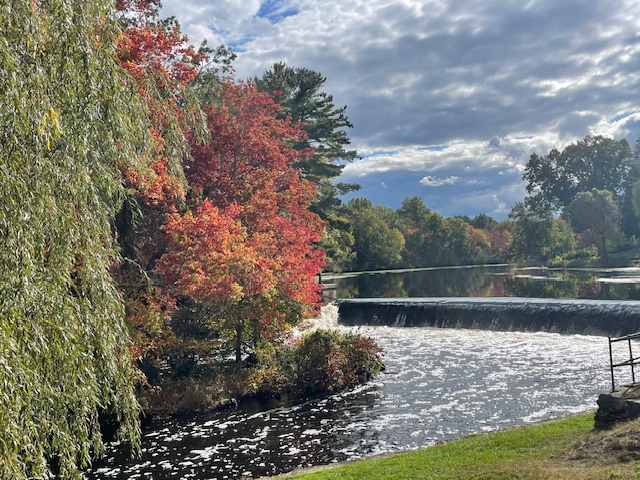
Farewell to the South Natick Dam: Honoring the Place That Shaped My Years
For almost 40 years, I’ve called South Natick home. While it’s never been the place where I’ve felt deeply rooted, it’s where I raised my children, built our businesses, and lived a full chapter of life. Now, as I begin to explore the rich history that surrounds us, there’s no better place to start than […]

