Henry Wilson House
In Natick, the small red cobbler shop where Henry Wilson once worked is modest considering the life he would go on to lead. Before he entered the Senate or became Vice President of the United States, Wilson was a cobbler, making and repairing shoes by hand. The long hours he spent at his bench were more than physical labor; they were the foundation of a character shaped by discipline and hard-won determination.
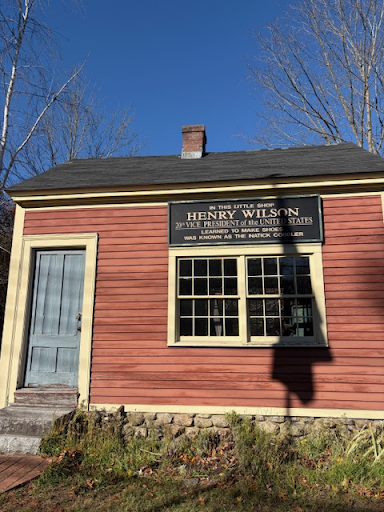
Born into poverty and bound as an indentured servant until age 22, Wilson climbed his way upward through relentless effort. After settling in Natick, he educated himself at night while working as a shoemaker by day. Neighbors came to know him as the “Natick Cobbler”, but also as a man of moral conviction. He became a fierce abolitionist, helping to found the Free Soil Party. In the Senate, Wilson was uncompromising on the issue of slavery and committed to securing civil rights for formerly enslaved people during Reconstruction.
President Ulysses S. Grant chose Wilson as his vice president for the 1872 election. Grant’s first term had been marred by corruption scandals involving individuals close to him, and he needed a running mate who would restore moral credibility. Wilson’s humble beginnings, reputation for hard work and long record of principled abolitionism made him an ideal choice. He appealed to working-class voters, immigrants, and reformers. An indentured servant beginning to become the Vice President, embodied the American ideal of a self-made success.
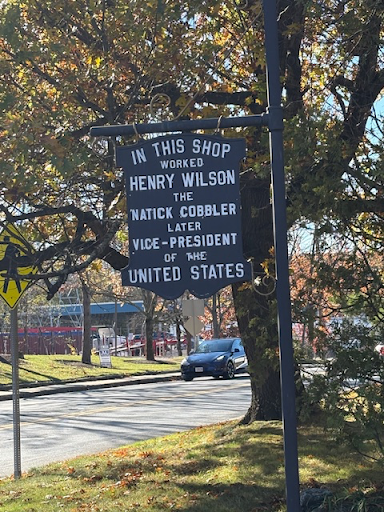
Grant needed an ally to defend Reconstruction and his presence on the ticket signaled integrity and purpose at a time when the nation’s future was uncertain. It is remarkable to realize that one of the nation’s influential abolitionist statesmen worked in this humble shop.
Wilson’s time as vice president was tragically short. He took office in March 1873 and served barely two and a half years before suffering a fatal stroke in November 1875.
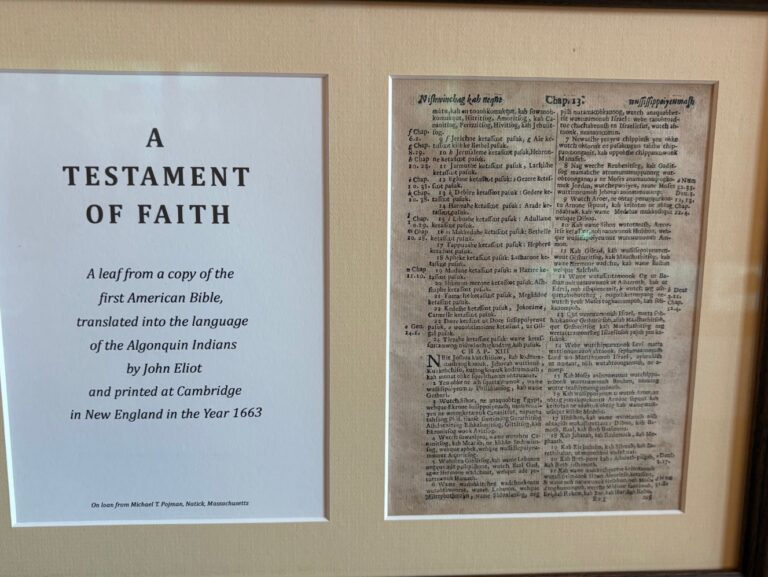
Read More From Nancy
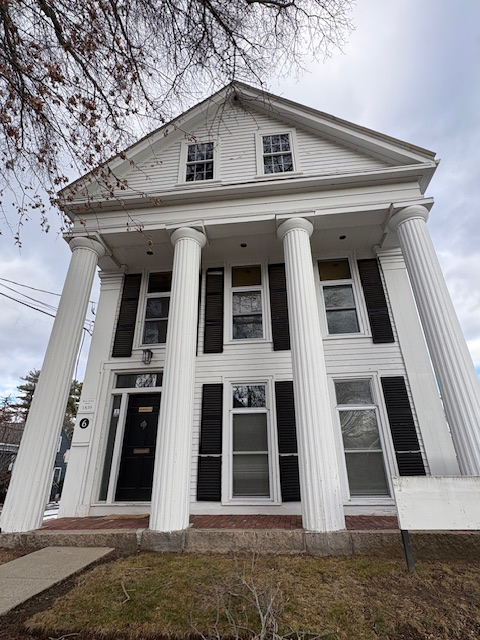
Moses Eames House
The Moses Eames House, built in 1839, is one of the most visually striking historic homes in South Natick. Finished in white clapboard and fronted by prominent classical pillars, the house is a refined example of Greek Revival architecture, a style that swept through New England in the early 19th century. The home was built […]
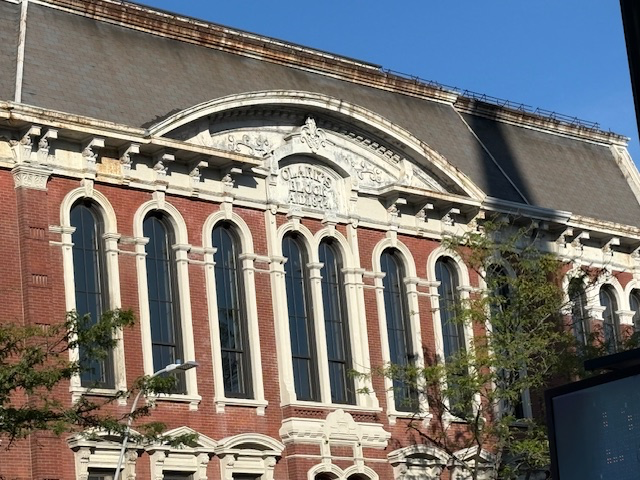
The Clark Block
In the center of Natick is this prominent commercial building labeled the Clark Block, 1874. Like many buildings constructed during that period, it reflects the growth of Natick as a busy manufacturing and commercial town in the later nineteenth century. During this time Natick was becoming well known for its boot and shoe industry, which helped transform what had once […]
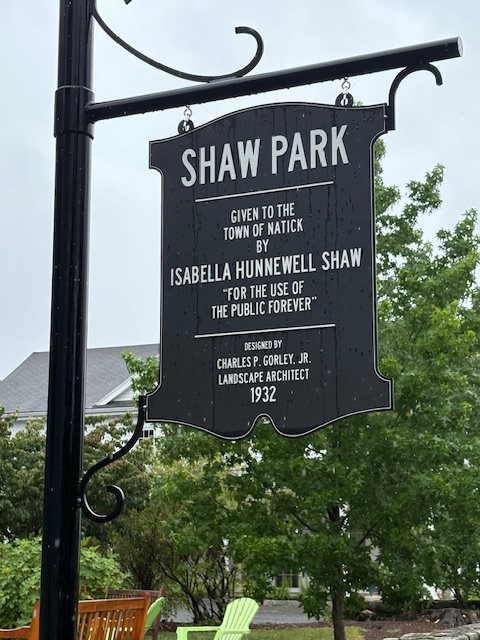
Shaw Park
Shaw Park, located in South Natick, is not a grand park in the monumental sense. Yet, it is a space with a profound sense of intention as captured in the words that accompanied its gift to the town of Natick: “For the use of the Public Forever” These words were written by Isabella Hunnewell Shaw. […]

