Glenwood Cemetery
Walking through the Glenwood Cemetery in Natick, there are many of these medallions and flags on the graves of veterans. All of these medallions are a bit different, but I had to look up what GAR stood for. It turns out GAR means the Grand Army of the Republic. This was a national fraternal organization founded in 1866 for Union veterans of the Civil War. For nearly a century, the GAR served as a brotherhood, a political force that ensured that the sacrifices of the war would not fade as years passed.
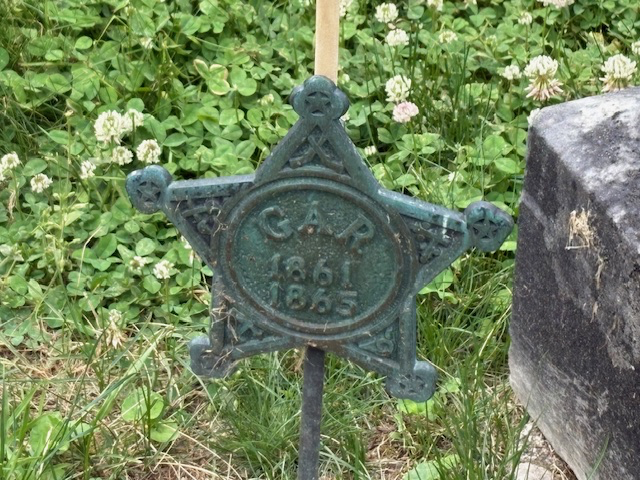
The first type I noticed was the five-pointed star with small stars in each point and the letters GAR 1861-1865 in the center. This is the standardized GAR grave marker that began appealing in the 1880s. It was placed to identify any Union veteran, and the dates mark the span of the Civil War.
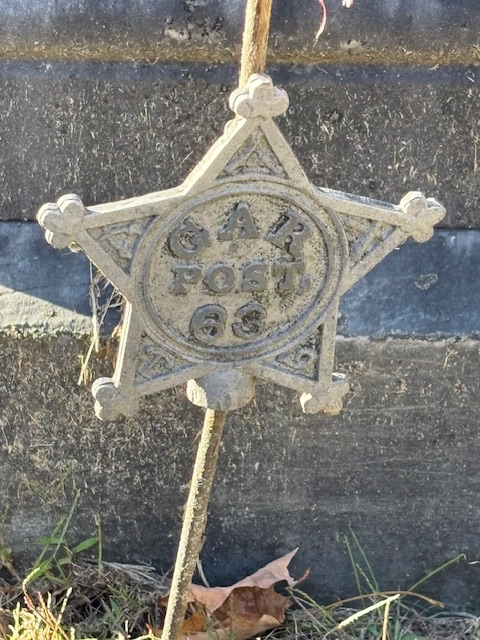
The second type of medallion is still a five-pointed star with the initials GAR but this time stamped Post 63 in the center. This one is more specific and indicates that the veteran was a member of GAR Post 63, Natick’s own chapter of the organization. These post-numbered medallions became common in the 1890s and early 1900s, as local posts took pride in marking graves on their own members. Post 63 in Natick was one of the integrated posts in Massachusetts, welcoming both black and white veterans.
Read More From Nancy
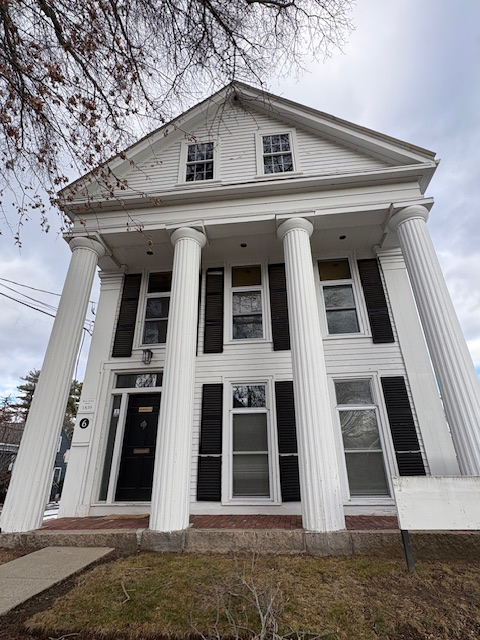
Moses Eames House
The Moses Eames House, built in 1839, is one of the most visually striking historic homes in South Natick. Finished in white clapboard and fronted by prominent classical pillars, the house is a refined example of Greek Revival architecture, a style that swept through New England in the early 19th century. The home was built […]
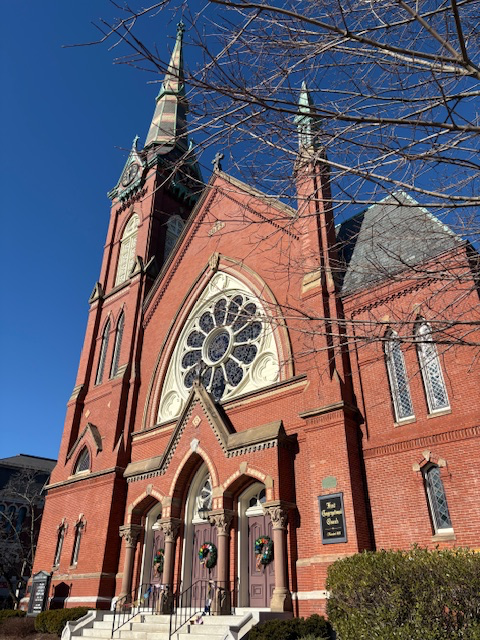
First Congregational Church in Natick
The church stands prominently in downtown Natick. This is the seventh meeting house of the Natick’s First Church, a congregation established in 1651 by John Eliot. Reverend Eliot was a Puritan missionary known as the “Apostle to the Indians” Worship in those earliest years was conducted largely in the Algonquian language, and the meetinghouse stood at the center […]
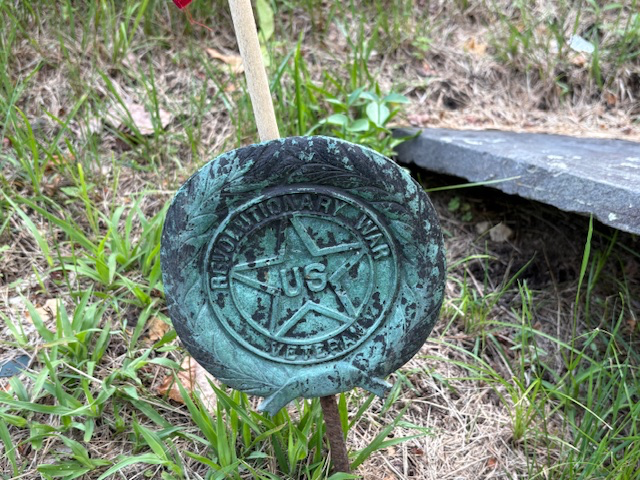
Revolutionary War Medallion
I enjoy wandering through old cemeteries and to the small symbols that mark the lives of people who came before us. Among the most powerful markers are the medallions places at the graves of Revolutionary War veterans, each one a reminder of the earliest defenders of our young nation resting beneath New England’s grass. As I explored these burying […]

