Easton, MA
Easton was incorporated in 1725, but its identity was shaped most strongly by the shovel industry that developed there in the nineteenth century. In 1803, Oliver Ames established a shovel-making business that grew into one of the country’s leading manufacturers. Ames shovels supplied workers building railroads, digging canals, and developing infrastructure across the expanding nation, connecting this Massachusetts town to projects far beyond its borders.
The success of the shovel industry shaped more than Easton’s economy. It influenced the growth of neighborhoods, created livelihoods for generations of workers, and supported improvements to the town’s public spaces. The relationship between manufacturing, community life, and civic generosity became a defining part of Easton’s character. Today, its historic village and former industrial sites preserve the story of a town whose local enterprise played a role in the nation’s growth.
Recent Posts
The Rockery
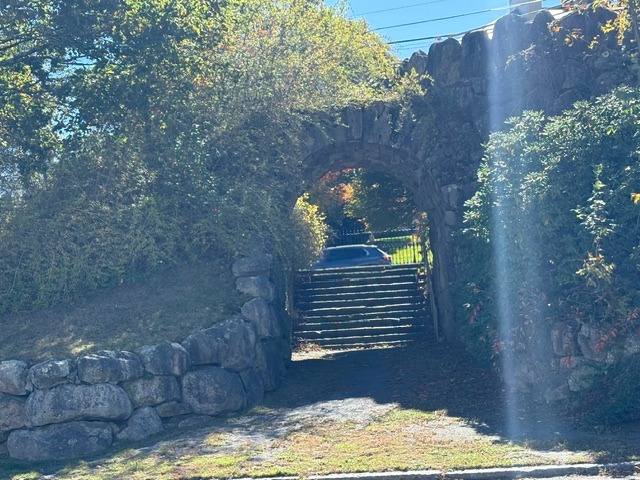
The Rockery in North Easton is a Civil War memorial whose meaning is expressed through stone and landscape. Designed by Frederick Law Olmsted in 1882, it honors local residents who died in the war. Its rugged walls, planted slopes, and stone archway create a memorial that visitors can walk through, bringing remembrance into the everyday […]
Former Oliver Ames High School
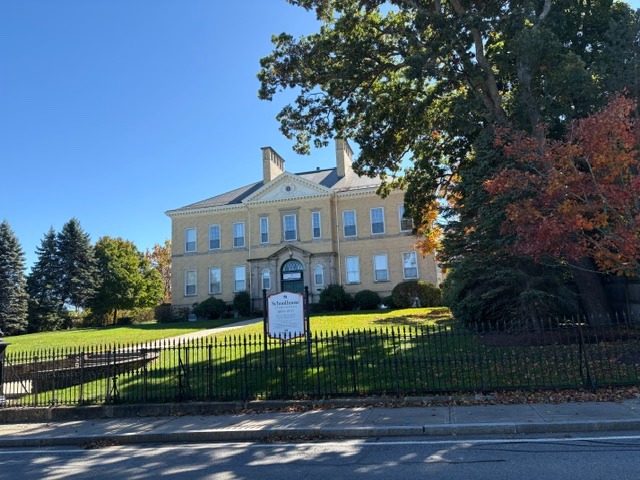
The former Oliver Ames High School represents a lasting investment in public education in Easton. Built in 1895–1896, the school was jointly financed by the town and former Massachusetts governor Oliver Ames. It was dedicated in December 1896, after Ames’s death, and carried his name as a recognition of his contribution to the community. Boston […]
Ted Williams and Moxie
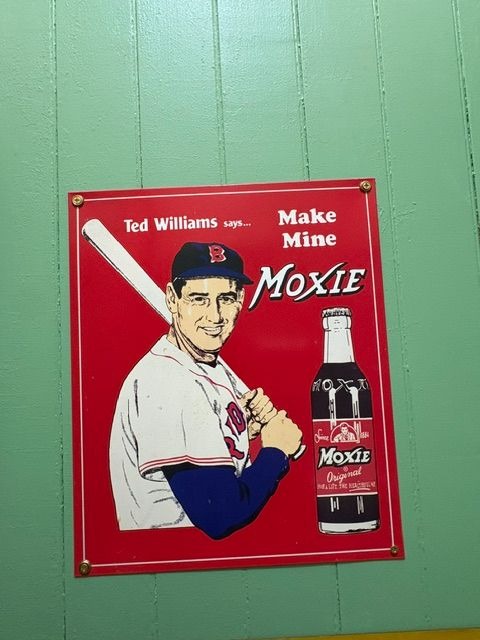
“Make Mine Moxie,” declares the advertisement featuring Boston Red Sox player Ted Williams. With a bat resting on his shoulder and a bottle beside him, Williams lends a familiar sporting face to a distinctly New England beverage. Preserved as a museum display in Easton, the image connects baseball, advertising, and the history of an unusual […]
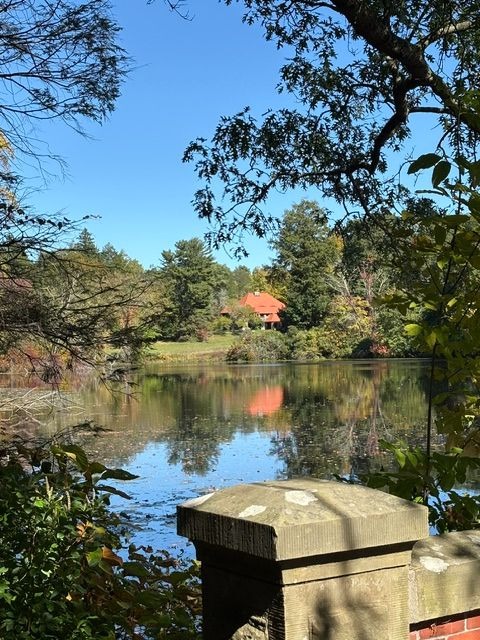
Governor Oliver Ames Estate
Near the center of North Easton, the Governor Oliver Ames Estate preserves a landscape shaped by a family whose influence reached from local industry to state government. Its lawns, mature trees, and ponds offer a quieter view of the Ames legacy, close to the factories that helped create the family’s wealth. The property was home […]
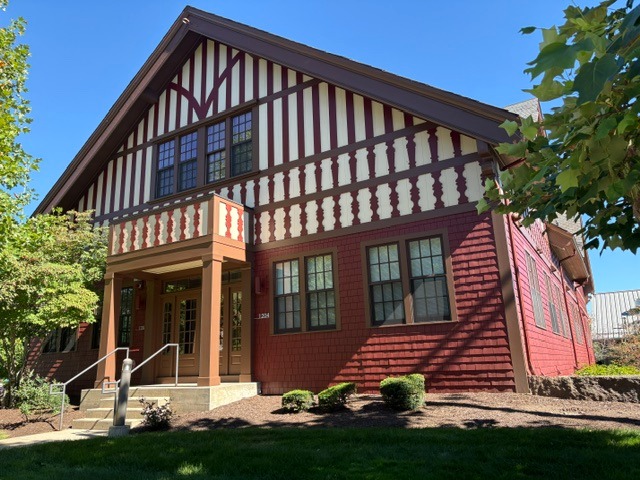
Ames Shovel Works Stables
The red-shingled building at the Ames Shovel Works tells a story of the transportation and administrative work that supported Easton’s best-known industry. Dating to about 1897, it originally included stables for horses used to move raw materials around the factory grounds. Its decorative gables and contrasting trim gave an essential working building a distinctive architectural […]
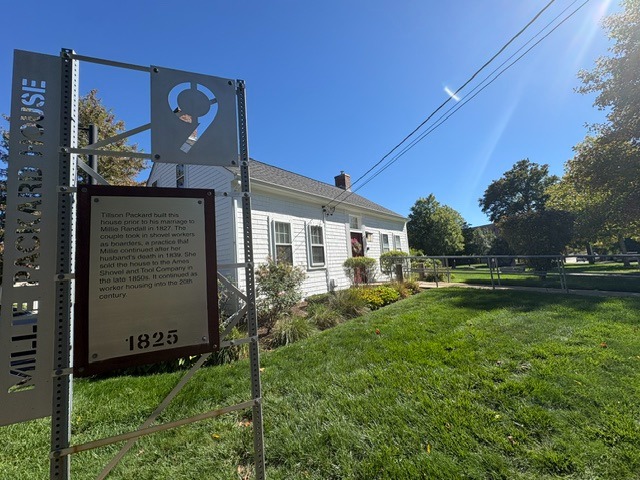
The Millie Packard House
The Millie Packard House preserves a domestic chapter of North Easton’s industrial history. Built in 1825, this modest residence connects the growth of the shovel industry with the people who lived and worked in the village. Its story includes marriage, employment, and the changing relationship between private homes and company-owned housing. Tillson Packard built the […]
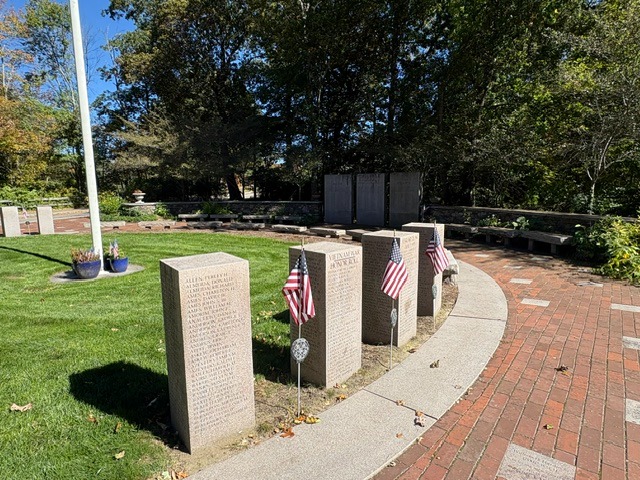
Veterans Memorial Park
Veterans Memorial Park in North Easton brings military remembrance into a quiet public setting. Granite monuments, American flags, brick paths, and benches surround an open lawn, creating a place where visitors can pause and consider the service of people connected to the town. The inscriptions give that remembrance a personal dimension. Rather than referring only […]
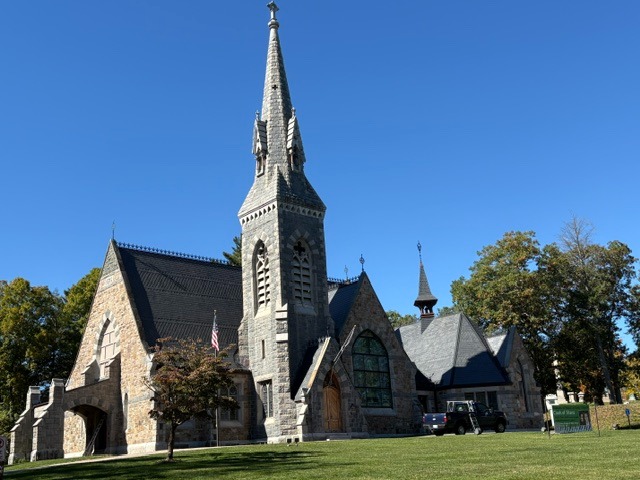
Unity Church
Unity Church rises above its lawn in North Easton with a slender stone spire, steep roofs, and pointed windows. Built in 1875, it was a gift from Oliver Ames II to the Unitarian Society of North Easton. The church reflects both the religious life of the community and the Ames family’s investment in craftsmanship, architecture, […]
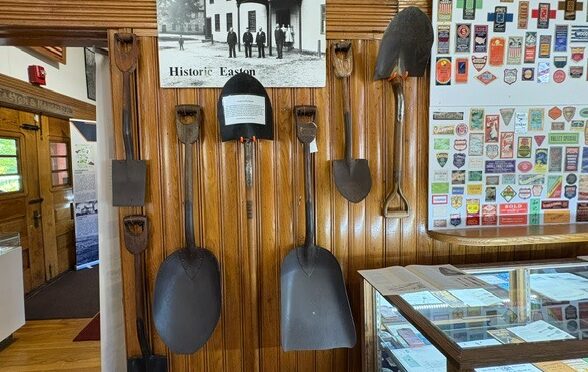
Ames Shovels
Displayed together in the Easton Historical Society Museum, the Ames shovels reveal how much variety can exist within an everyday tool. Some have broad, rounded blades, while others are narrower or nearly rectangular. Long wooden shafts and shorter handles with enclosed grips reflect different ways of lifting, digging, and moving materials. Their shapes invite a […]
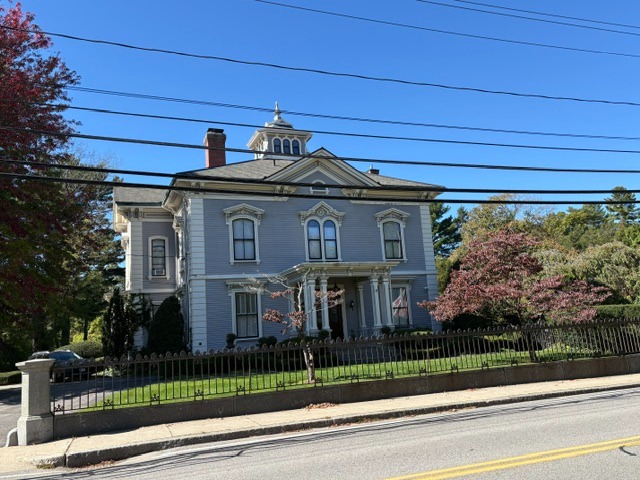
Unity Close
Unity Close, at 23 Main Street, was built in 1862 for Oliver Ames Jr. and his wife, Sarah Lothrop Ames. Designed by Boston architect George Snell, the house reflects the prosperity of the Ames family during the expansion of its shovel manufacturing business. Its location near the company’s operations kept the family home closely connected […]
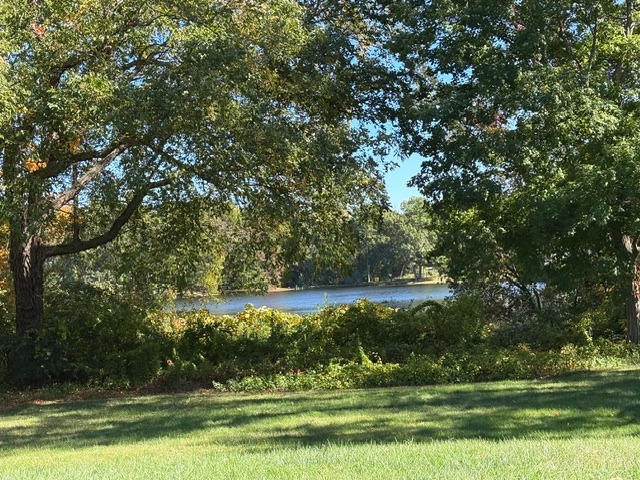
Shovel Shop Pond
Shovel Shop Pond helped power the industry that shaped North Easton. Its water supplied the original Ames shovel works, making this small pond part of a manufacturing operation whose products would travel far beyond Massachusetts. The wooded shoreline now presents a quiet setting, but the pond’s history is closely tied to machinery, metalworking, and the […]
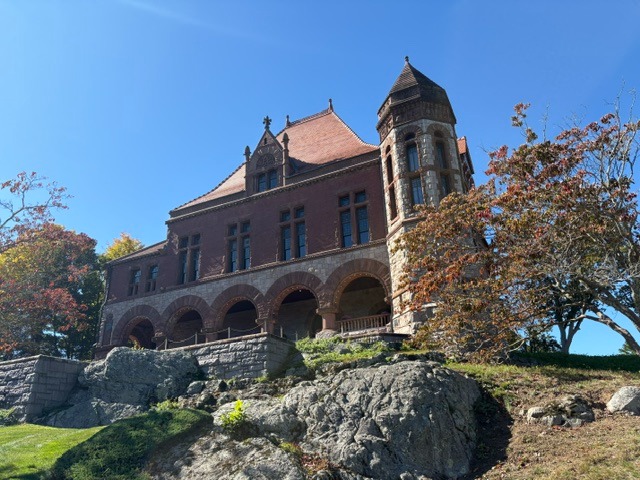
Oakes Ames Memorial Hall
Standing above the street on a rocky hillside, Oakes Ames Memorial Hall is one of North Easton’s most distinctive landmarks. Its broad arches, steep red-tiled roof, and corner tower give it a commanding presence, while the exposed rock beneath it connects the building to the surrounding landscape. Built between 1879 and 1881, the hall was […]

