The Millie Packard House
The Millie Packard House preserves a domestic chapter of North Easton’s industrial history. Built in 1825, this modest residence connects the growth of the shovel industry with the people who lived and worked in the village. Its story includes marriage, employment, and the changing relationship between private homes and company-owned housing.
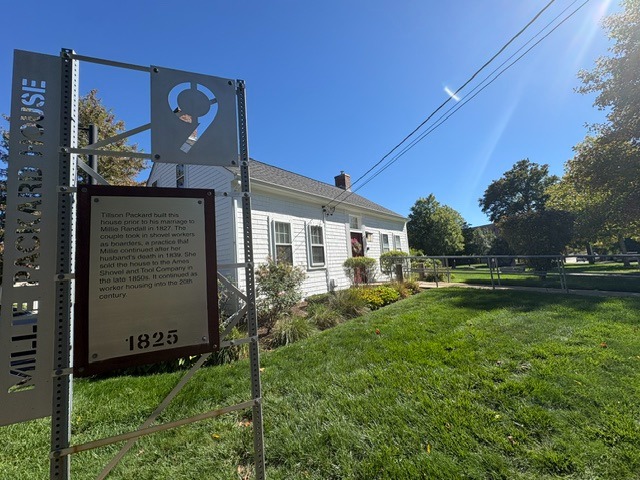
Tillson Packard built the house before his marriage to Millie Randall in 1827. The couple belonged to a community where homes and workplaces stood close together, and manufacturing shaped the daily routines of many households. The house’s simple form reflects its practical purpose as a place to live within that working village.
Millie also had a connection to local production. The historical account accompanying the property identifies her as a contractor for the Hoe Shop. Although it does not explain her precise responsibilities, this detail places her within Easton’s working history in her own right. The house therefore carries the story of both spouses and their relationship to the surrounding industry.
In the late 1850s, Tillson sold the property to the Ames Shovel and Tool Company. It continued to serve as workers’ housing into the twentieth century. That transfer marked a change from a privately owned family home to a residence managed as part of the company’s wider operations.
The Ames company owned numerous houses for its employees in North Easton. Providing housing helped accommodate the workforce that sustained the factories and contributed to the close connection between the industrial grounds and neighboring streets. As transportation changed, living within walking distance of the workplace became less essential, gradually altering the role of company-owned homes.
The Millie Packard House brings that history to a personal scale. Its importance lies in the ordinary needs it fulfilled: shelter, household life, and access to employment. Preserving the story of this small residence gives a place to the families whose lives formed the human foundation of Easton’s industrial growth.
Read More From Nancy
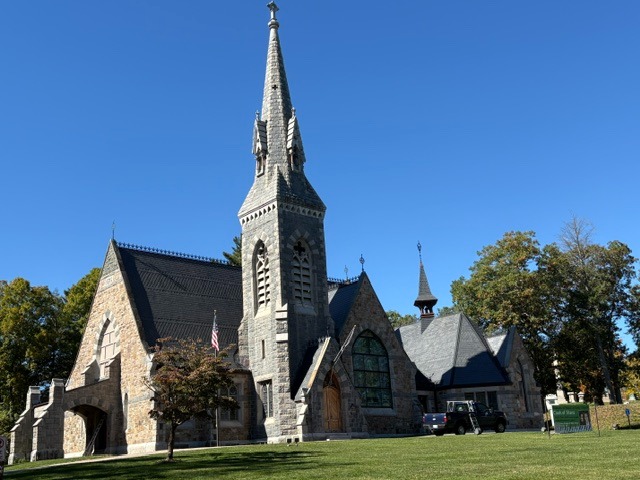
Unity Church
Unity Church rises above its lawn in North Easton with a slender stone spire, steep roofs, and pointed windows. Built in 1875, it was a gift from Oliver Ames II to the Unitarian Society of North Easton. The church reflects both the religious life of the community and the Ames family’s investment in craftsmanship, architecture, […]
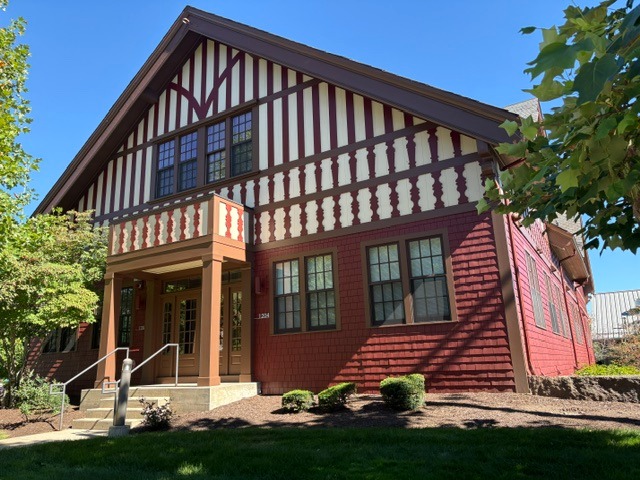
Ames Shovel Works Stables
The red-shingled building at the Ames Shovel Works tells a story of the transportation and administrative work that supported Easton’s best-known industry. Dating to about 1897, it originally included stables for horses used to move raw materials around the factory grounds. Its decorative gables and contrasting trim gave an essential working building a distinctive architectural […]
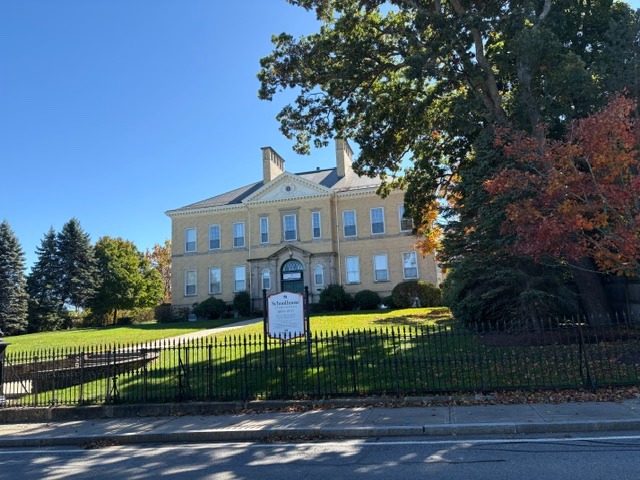
Former Oliver Ames High School
The former Oliver Ames High School represents a lasting investment in public education in Easton. Built in 1895–1896, the school was jointly financed by the town and former Massachusetts governor Oliver Ames. It was dedicated in December 1896, after Ames’s death, and carried his name as a recognition of his contribution to the community. Boston […]

