Chickasaw National Recreation Area
The cool spring-fed waters of Chickasaw National Recreation Area create an oasis in the rolling landscape of southern Oklahoma. This park is known for its natural springs and clear streams. For generations, people have come here to cool off in the water and relax beneath the trees.
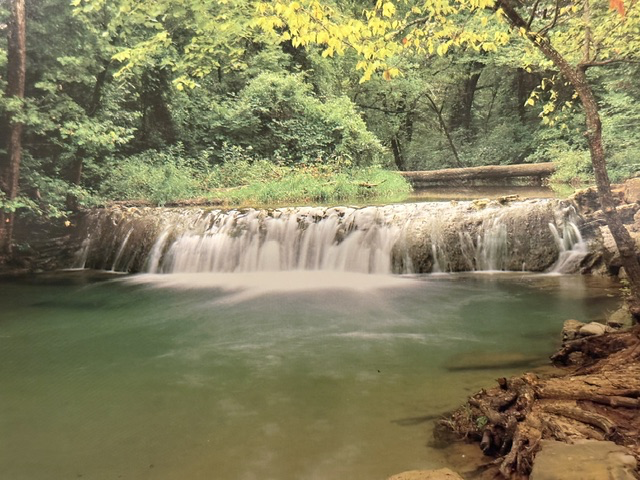
This swimming area is one of the reasons why Chickasaw is so popular. The flowing springs and creeks are a popular swimming spot in a landscape that can be hot and dry. Cold mineral springs emerge from the ground throughout the park, feeding streams, waterfalls and swimming holes.
These springs were considered valuable and healing by Native peoples, including the Chickasaw Nation. The area became widely known during the late 1800s for its mineral waters, and visitors traveled here believing the springs had restorative and medicinal qualities. Bathhouses, resorts and swimming areas gradually developed around the springs as tourists increased.
The park’s history is also closely tied to the Chickasaw Nation. In recognition of the cultural importance of the area, the land was originally protected in 1906 as Platt National Park, one of the earliest units of the National Park system. It was named after Senator Orville Platt, who helped preserve the springs from private commercial development. In 1976, Platt National Park was renamed Chickasaw National Recreation Area to better reflect its recreational use and its connection to the Chickasaw people.
Read More From Nancy
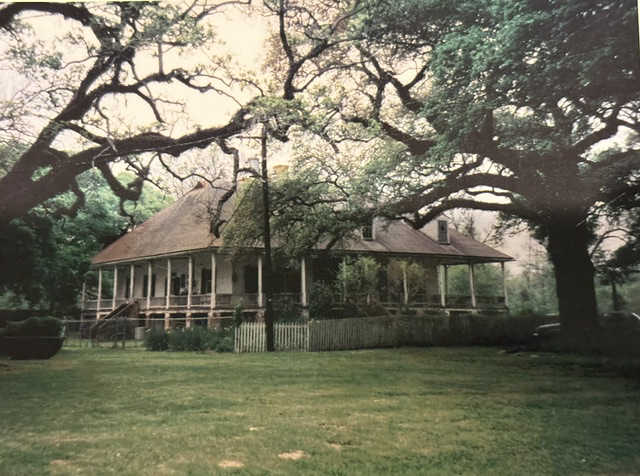
Cane River Creole National Historical Park
Nestled beneath the branches of ancient live oak trees in Natchitoches, the Oakland Plantation at Cane River Creole National Historical Park preserves one of the most complete pictures of plantation life in the American South. The plantation was established in the late 18th century, and the main house was completed around 1821. Over time, Oakland became a large working […]
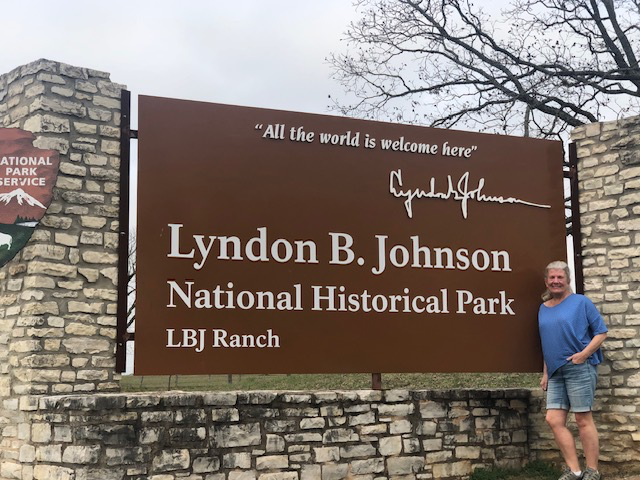
Lyndon B. Johnson National Historic Site
Driving through the Texas Hill Country to visit Lyndon B. Johnson National Historical Park was another journey I enjoyed taking. The landscape seems to tell the story of Lyndon Baines Johnson, wide open spaces, working ranch land and the rural setting that shaped the man who would become the 36th President of the United States. […]
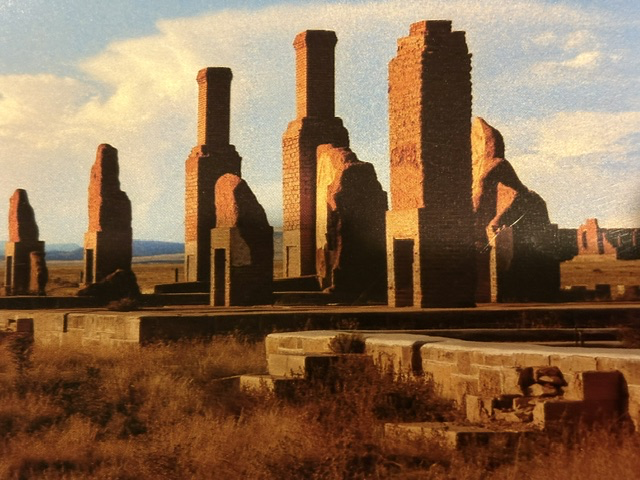
Fort Union National Monument
Standing among these towering chimneys, it takes a bit of imagination to picture what once stood here. Today, only the chimneys and fragments of stone walls remain, but this was once Officers’ Row at Fort Union, where some of the finest military quarters west of the Mississippi River stood. Completed in 1867, these elegant homes […]

