Bandelier National Monument
Here at Bandelier National Monument, we walked through canyons, climbed ladders into ancient cliff dwellings and stood inside spaces once occupied by the ancestral Pueblo people. Here history felt immediate and alive.
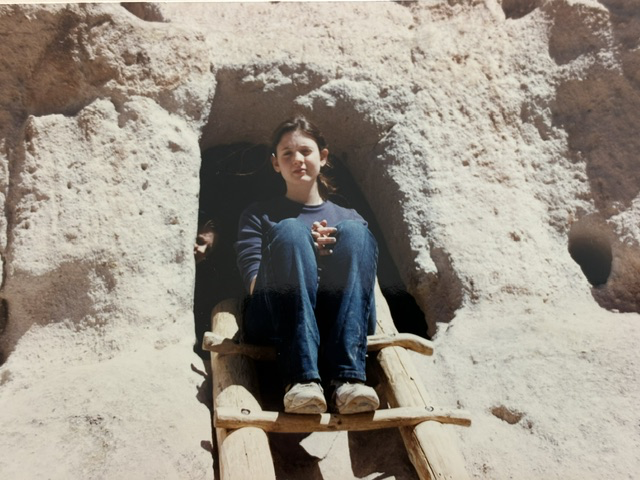
The soft volcanic rock of Bandelier allowed homes, called cavate, to be carved directly into the canyon walls. Climbing those wooden ladders as a family became part of the memory. It was memorable to explore each small opening in the cliffs and wondering what daily life must have been like for the people who lived here centuries ago.
So many historic sites, we just simply look from a distance. Here, at Bandelier, we could walk the trails, enter the dwelling and more through the landscape. It gave all of us the feeling that learning was something you experienced first-hand.
One of the most remarkable stories connected to Bandelier National Monument is how suddenly this thriving community disappeared. Between the 1100s and 1500s, thousands of ancestral Pueblo people lived throughout these canyons, building homes in the cliffs and along the canyon floor. Then, after centuries of life here, many of the communities moved away.
Archaeologist Adolph Vandelier, for whom the monument is named, spent years documenting and respecting the cultures of the Southwest during a time when many sites were being looted. His work helped Americans begin to see these places not as ruins, but as the homes and heritage of living Native peoples whose descendants still live in New Mexico today.
Located near Los Alamos in northern New Mexico, Bandelier became a national monument in 1916 under President Woodrow Wilson.
Read More From Nancy
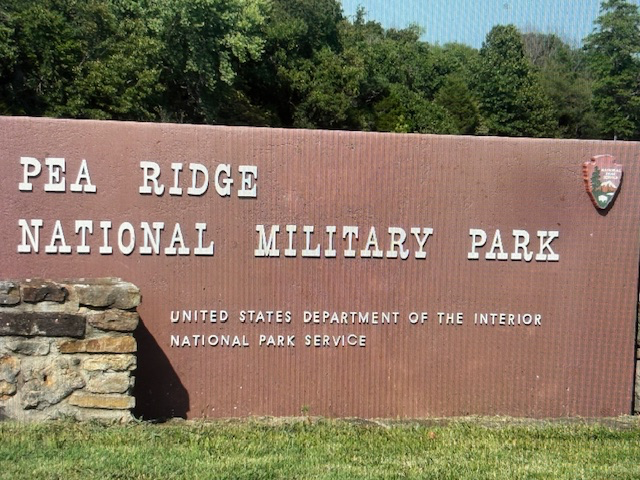
Pea Ridge National Military Park
Many of our National Historic Sites preserve the landscapes of America’s military past, especially Civil War battlefields. So many of these places are found in Pennsylvania, Virginia and the Carolinas, but Pea Ridge stands as one of the important Civil War sites in the West. Here a pivotal chapter of the conflict is found in the […]
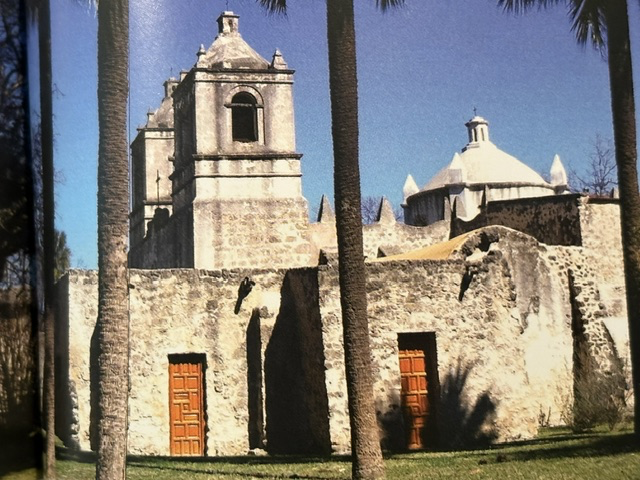
San Antonio Missions National Historical Park
Being from the Northeast, our roots are closely connected to England. Many of our towns bear the names of places in England, reflecting the heritage of the Pilgrims and Puritans who settled Massachusetts and established communities that would become the foundation of the region. Traveling through the Southwest, however, it becomes immediately clear that the […]
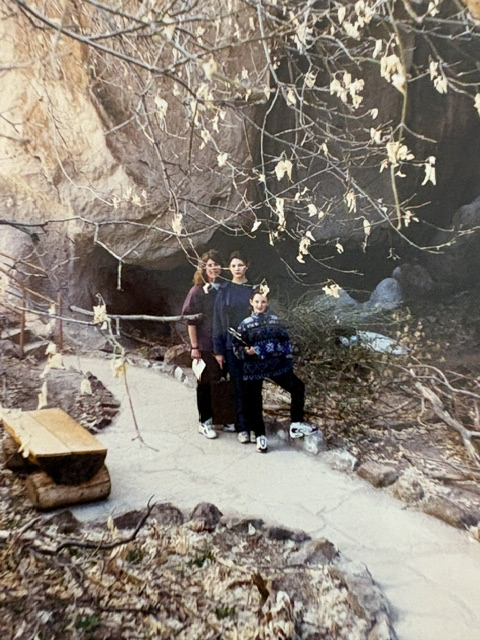
Carlsbad Caverns National Park
The drive to Carlsbad Caverns National Park seemed long, but somehow that drive became part of the experience itself. We have visited twice, and both times there was something unforgettable about traveling through the wide-open spaces of southeastern New Mexico before finally arriving at the caverns hidden beneath the desert landscape. The miles of dry terrain, distant mountains, and endless sky created a […]

