San Antonio Missions National Historical Park
Being from the Northeast, our roots are closely connected to England. Many of our towns bear the names of places in England, reflecting the heritage of the Pilgrims and Puritans who settled Massachusetts and established communities that would become the foundation of the region. Traveling through the Southwest, however, it becomes immediately clear that the history of this part of the country has very different roots.
Nowhere was that more evident than at San Antonio Missions National Historical Park. Walking through these centuries-old stone churches and courtyards, the Spanish influence on the region was unmistakable. Long before Texas became part of the United States, Franciscan missionaries and Native peoples-built communities here that blended Spanish, Mexican, and indigenous traditions. The architecture, language, religion, and even the irrigation systems all reflected a heritage far different from the English traditions that shaped New England.
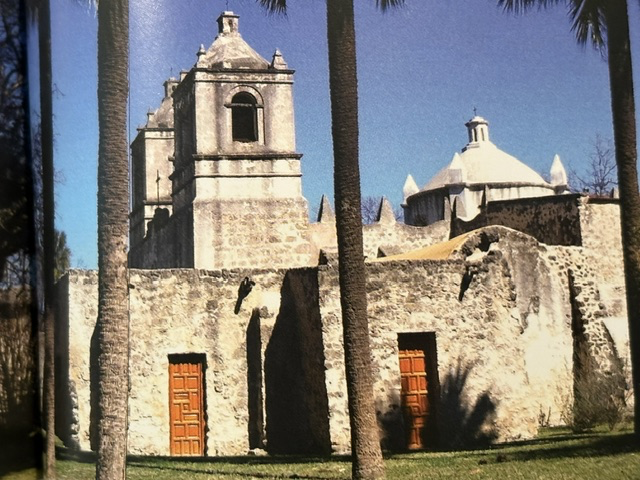
Preserving four Spanish frontier missions founded between 1718 and 1731, the park tells the story of a colonization system that stretched across the Southwest during the seventeenth, eighteenth, and early nineteenth centuries. More than churches, the missions were centers of worship, agriculture, education, and trade. In recognition of their national significance, the site was established as San Antonio Missions National Historical Park in 1978 by President Jimmy Carter. Together with the Alamo, the missions were later designated a UNESCO World Heritage Site in 2015, becoming the first and only World Heritage Site in Texas.
Of course, no visit to San Antonio would be complete without seeing the Alamo. Unlike the other missions, the Alamo is remembered not only for its Spanish origins but for the pivotal 1836 battle during the Texas Revolution. “Remember the Alamo” is one of those phrases many of us first learned in school, and standing before the historic mission brought to life a story that has become deeply woven into the American memory.
Standing among the weathered walls and graceful bell towers, I was reminded that the story of America is not a single story. It is a tapestry woven from many cultures and traditions. Just as New England reflects its English origins, the Southwest bears the enduring imprint of Spain, and places like the San Antonio Missions help tell that broader and richer story of our nation’s beginnings.
Read More From Nancy
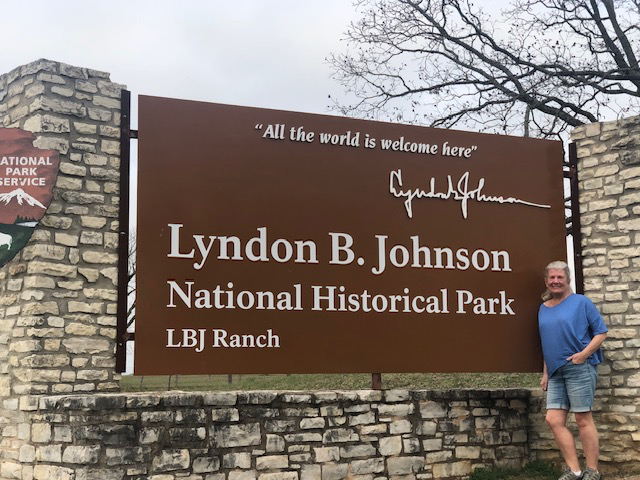
Lyndon B. Johnson National Historic Site
Driving through the Texas Hill Country to visit Lyndon B. Johnson National Historical Park was another journey I enjoyed taking. The landscape seems to tell the story of Lyndon Baines Johnson, wide open spaces, working ranch land and the rural setting that shaped the man who would become the 36th President of the United States. […]
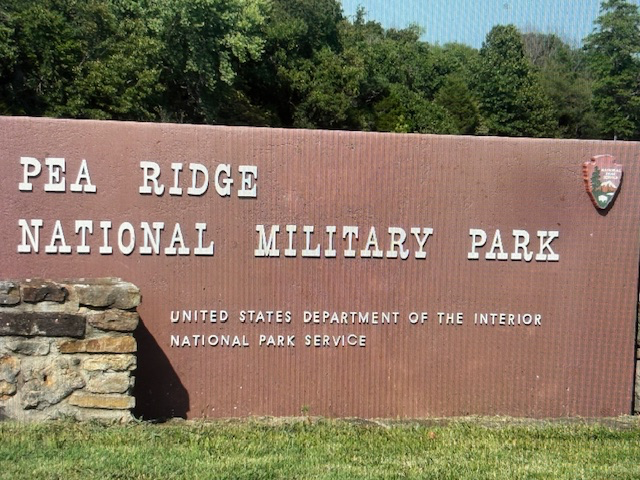
Pea Ridge National Military Park
Many of our National Historic Sites preserve the landscapes of America’s military past, especially Civil War battlefields. So many of these places are found in Pennsylvania, Virginia and the Carolinas, but Pea Ridge stands as one of the important Civil War sites in the West. Here a pivotal chapter of the conflict is found in the […]
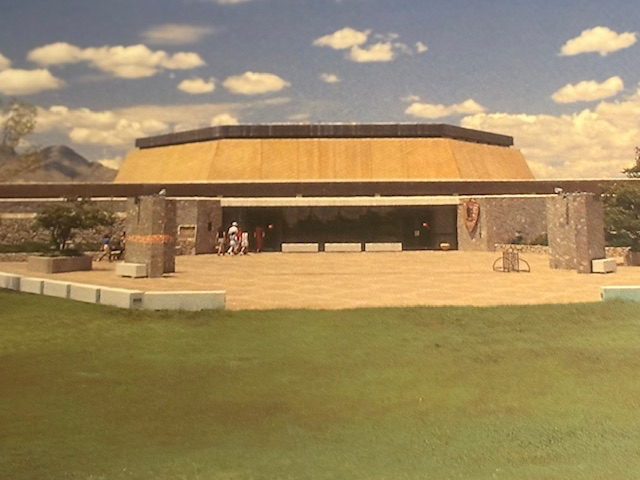
Chamizal National Memorial
The Chamizal National Memorial in El Paso is not a memorial of war or conflict, but one that marks the peaceful resolution of a long-standing international dispute. The land known as: “El Chamizal” became contested in the mid-1800s when the Rio Grande shifted its course, changing the boundary between the United States and Mexico. What […]

