Cane River Creole National Historical Park
Nestled beneath the branches of ancient live oak trees in Natchitoches, the Oakland Plantation at Cane River Creole National Historical Park preserves one of the most complete pictures of plantation life in the American South.
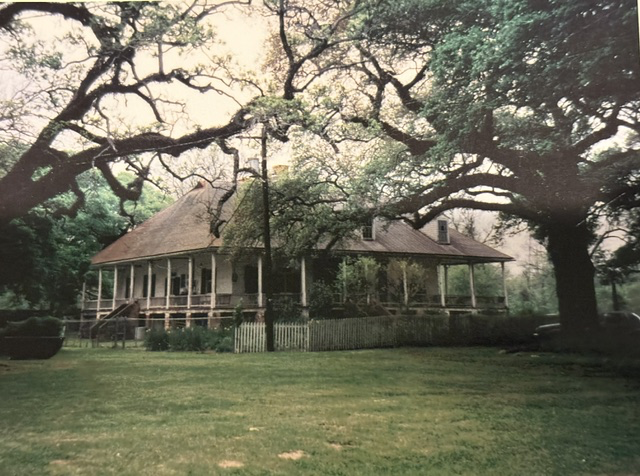
The plantation was established in the late 18th century, and the main house was completed around 1821. Over time, Oakland became a large working cotton plantation connected to the unique Creole culture that developed along Louisiana’s Cane River region. Unlike many plantations where only the main house survives, Oakland retains a remarkably intact collection of original structures, including overseer’s quarters, storage buildings, barns, slave cabins and agricultural buildings. Together they create one of the most complete surviving plantations in the South.
This was not simply a home, but an entire self-contained world built around agriculture and labor. Cotton production required enormous physical work and depended on enslaved African Americans whose labor sustained the plantation economy. The surviving slave quarters stand as powerful reminders of the human cost behind the wealth and beauty associated with plantation life.
The Care River region developed a distinct Creole identity influenced by French, Spanish, African, Caribbean and Native American traditions. Oakland Plantation reflects not only the economic history of cotton production and the layered cultural story of Louisian itself.
Recognizing the historical and cultural importance of the Cane River region, Congress established Cane River Creole National Historical Park as part of the National Park System in 1994.
Read More From Nancy
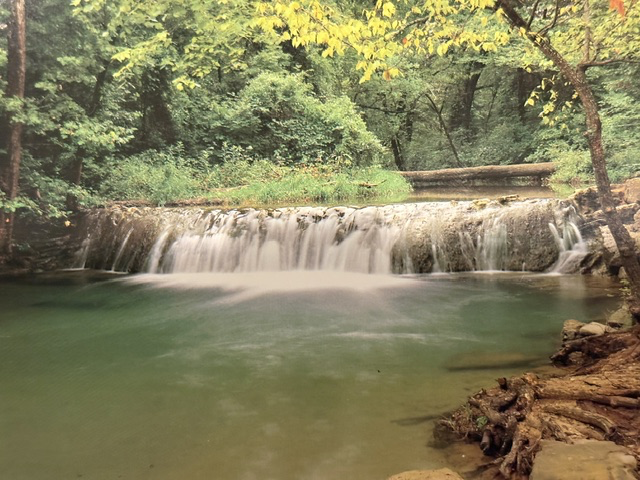
Chickasaw National Recreation Area
The cool spring-fed waters of Chickasaw National Recreation Area create an oasis in the rolling landscape of southern Oklahoma. This park is known for its natural springs and clear streams. For generations, people have come here to cool off in the water and relax beneath the trees. This swimming area is one of the reasons why Chickasaw is so […]
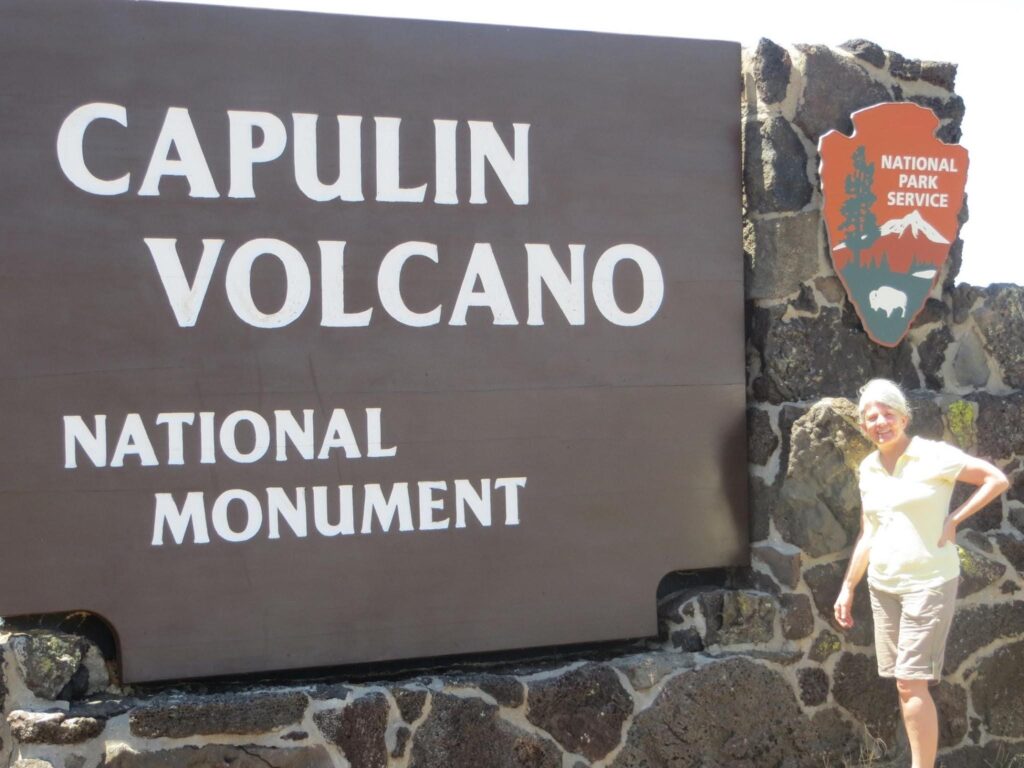
Capulin Volcano National Monument
I remember this special road trip with Erin as we explored the panhandle of Texas and drove into New Mexico. It was during on of her breaks from chiropractic school, and we flew into Texas and set out on a long stretch of road that carried us through a landscape shaped by drought. The land […]
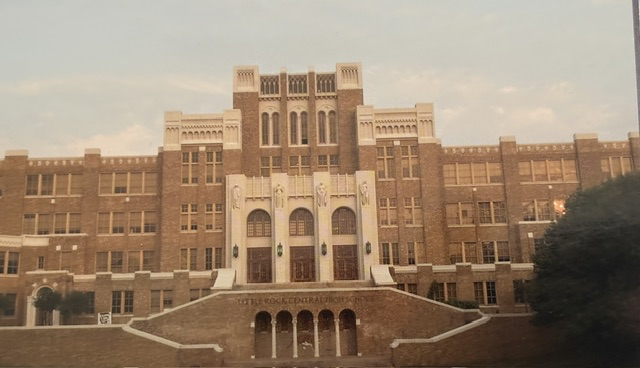
Little Rock Central High School National Historic Site
This is another one of those National Park Service sites that seems to have stopped in time. Standing across from Little Rock Central High School, it is remarkably easy to picture the events of 1957 unfolding in front of the same imposing building. What makes the experience even more unusual is that Central High is […]

