Merrimac Hats
The hats preserved at Amesbury’s Industrial History Center represent an industry that connected local factory workers with customers across the country. Dating from approximately 1930 to 1950, the display includes both men’s and women’s styles. Their varied shapes, colors and decorative details reveal the range of products associated with the Merrimac name.
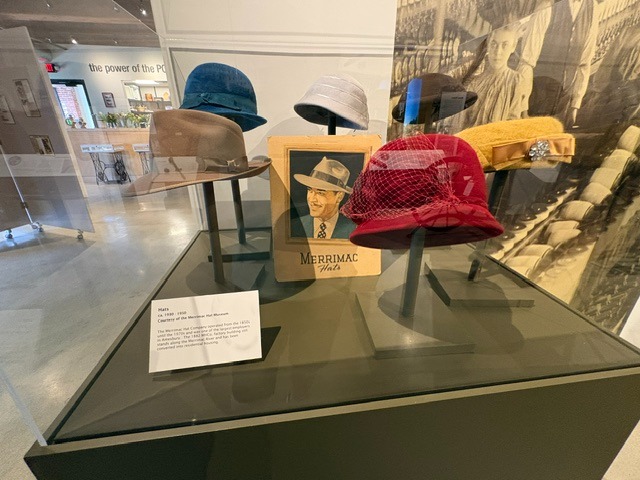
Established in 1856, the Merrimac Hat Company grew into one of the nation’s largest hat manufacturers. Its operations extended beyond Amesbury to other locations in North America. For more than a century, hat making formed a substantial part of the community’s manufacturing economy alongside textiles, carriages and automobile bodies.
Producing a finished hat required a sequence of specialized operations. Photographs preserved by the Amesbury Historical Society show employees preparing fur, carding wool, forming hat bodies and shaping them through blocking. Other workers finished surfaces and added trimming. At the Cedar Street plant, some employees were paid by the dozen for processing hat bodies, linking their earnings directly to production.
The company’s products entered the world of national fashion advertising. Surviving promotional materials include advertisements from Vogue and Harper’s Bazaar. During World War II, the company also manufactured mosquito netting for military use, adapting its production to wartime demand.
Changing fashions during the 1950s and 1960s weakened the market as everyday hat wearing declined. The company closed in 1971. Its best-known factory complex beside the Merrimack River later became the residential development called Hatter’s Point, preserving an industrial landmark under a name recalling its former work.
The surviving hats bring this history to a human scale. Each finished piece connects design and fashion with the many workers whose preparation, shaping and finishing made it possible. Together, they preserve a distinctive part of Amesbury’s working life and its contribution to American dress.
Read More From Nancy
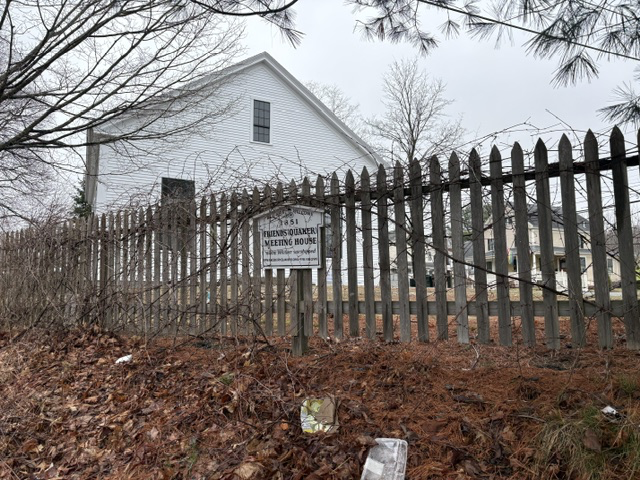
Quaker Meeting House
This is the old Friends Quaker Meeting House in Amesbury, closely connected to the life of ohn Greenleaf Whittier and the Quaker traditions that shaped both his beliefs and his writing. Whittier was raised in a Quaker family, and the values of the Society of Friends remained central to his life. The Quakers emphasized simplicity, equality, peace, personal […]
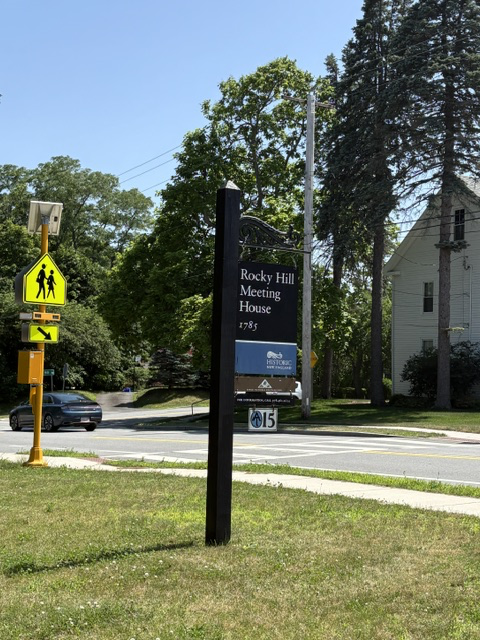
Rocky Hill Meeting House
Driving through Amesbury, it would be easy to pass the Rocky Hill Meeting House without realizing how special it is. Standing on a rise above the road, this simple white building has been part of the landscape since the eighteenth century and remains one of the best-preserved early meeting houses in New England. Built in […]
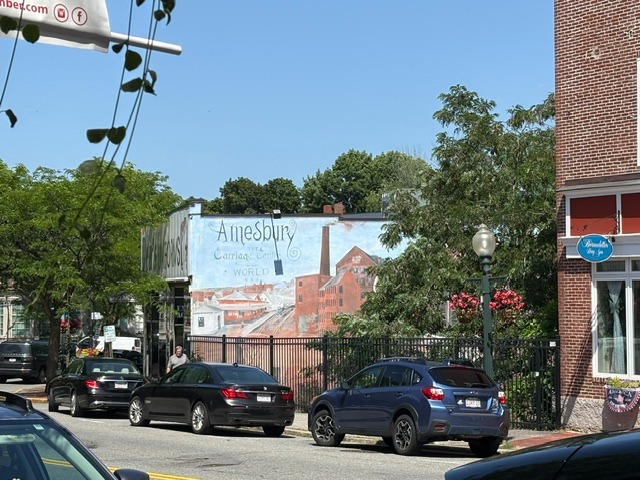
Carriage Capital of the World
The “Carriage Capital of the World” mural in downtown Amesbury recalls an industry that carried the town’s reputation far beyond Massachusetts. Beginning in the early 1850s, local manufacturers developed a thriving trade in finely crafted horse-drawn vehicles. Carriage making became a defining part of Amesbury’s identity, joining the textile mills and other enterprises already established […]

