Sitamuk Kjipuktuk Cultural Post
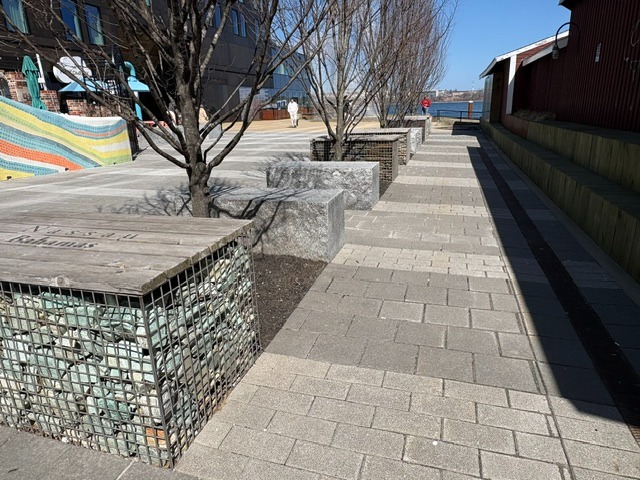
On Halifax’s waterfront, the Sitamuk Kjipuktuk Cultural Post provides a place for Mi’kmaw and other Indigenous artists to share and sell their work. Developed by the Mi’kmaw Native Friendship Centre as a social enterprise, the post connects cultural expression with economic opportunity, bringing Indigenous art and craftsmanship into one of the city’s most visited public spaces.

Its name connects the enterprise to its waterfront setting. Sitamuk, pronounced “seet-ah-mook,” means “on the water.” Kjipuktuk is the Mi’kmaw name for Halifax Harbour, meaning “Great Harbour.” The name preserves an understanding of this place that predates the establishment of the British settlement in 1749 and remains part of the language used to describe Halifax today.
The cultural post’s purpose includes strengthening the visibility of Mi’kmaw and Indigenous culture within Kjipuktuk. By providing a setting where artists’ work can be shared and traded, it supports the people creating that work while offering residents and visitors a way to encounter contemporary Indigenous creativity. Art and commerce come together here as parts of an ongoing cultural presence.
The modest wooden storefront gives that purpose a visible place along the harbour. Its Mi’kmaw name identifies both the enterprise and the landscape around it, inviting a broader understanding of Halifax’s waterfront. Alongside the port’s shipping and commercial history, Sitamuk brings attention to the Indigenous language, artists and community that continue to shape Kjipuktuk.
Read More From Nancy
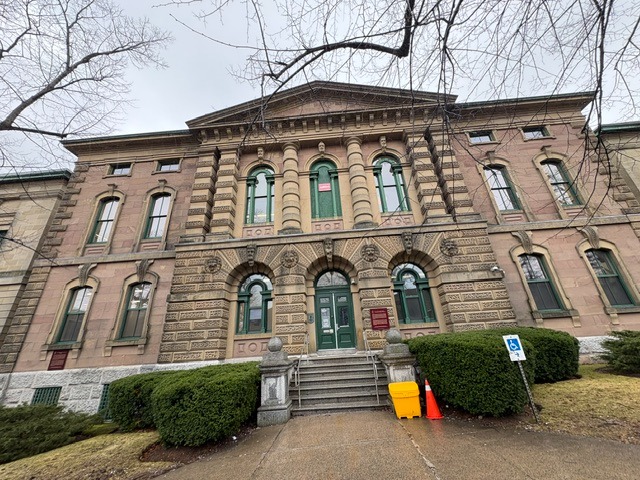
Halifax Court House
On Spring Garden Road in downtown Halifax, the Halifax Court House presents an imposing sandstone façade built to express the dignity and authority of the law. Designed by the Toronto architectural firm of William Thomas and Sons in 1858, the building housed county and provincial courts following its completion in 1863. Its importance to Canada’s […]
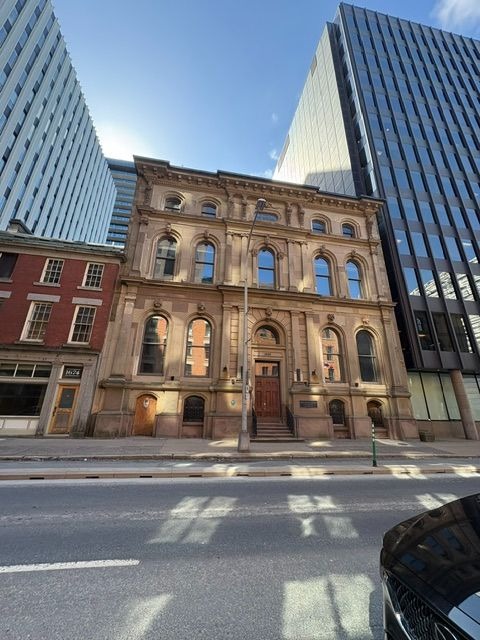
The Dominion Building
The Dominion Building on Hollis Street was conceived as a centre for the services that connected nineteenth-century Nova Scotia to the wider world. In 1863, the provincial legislature approved its construction to house the Post Office, Customs House and Railway Department. Completed in 1868, it brought together institutions responsible for communication, trade and transportation. Designed […]
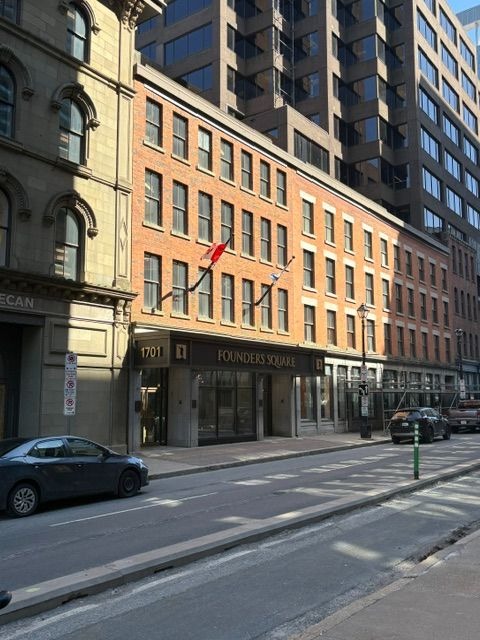
Founders Square
Along Hollis and Prince Streets in downtown Halifax, Founders Square preserves a row of nineteenth-century commercial façades within a development completed in 1986. The historic buildings associated with the complex date from 1816 to 1865, spanning decades when Halifax’s business district grew around the harbour and the provincial seat of government. Their surviving street fronts […]

