Ames Shovel Works Stables
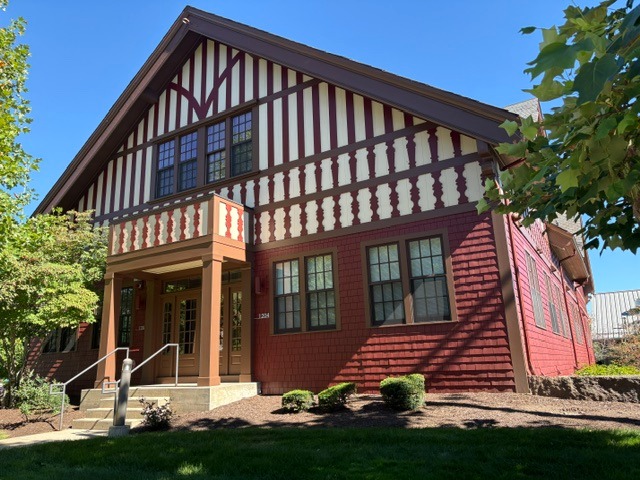
The red-shingled building at the Ames Shovel Works tells a story of the transportation and administrative work that supported Easton’s best-known industry. Dating to about 1897, it originally included stables for horses used to move raw materials around the factory grounds. Its decorative gables and contrasting trim gave an essential working building a distinctive architectural character.
Before motor vehicles became commonplace, horses helped connect the different stages of manufacturing. Materials needed to reach the appropriate shops, and moving them required dependable animal power alongside the factory’s machinery. Housing, feeding, and caring for those horses were part of the daily work that kept production running.
The Ames Shovel Company chronology records that a new barn was built in 1897 on the site of one destroyed by fire in 1887. The replacement represented an investment in the supporting facilities of an expanding industrial enterprise.
The exterior reflects the attention given to that practical building. Red shingles cover the lower walls, while light-colored panels and dark timber-like trim enliven the upper gable. A projecting entrance porch adds depth to the façade. These details give the former stables an appearance that extends beyond their original utilitarian purpose.
As transportation and manufacturing methods changed during the twentieth century, the building took on another role. It became the business offices of the Ames Shovel and Tool Company. The change brought administrative activity into space previously associated with horses and the movement of materials, allowing the structure to serve a new phase of the company’s operations.
The building’s history reveals how many kinds of work sustained a factory. Producing shovels depended on transportation, animal care, recordkeeping, and business management as well as metalworking. The former stables and offices preserve that broader story, tracing the changing needs of an industry through the successive uses of one building.

Read More From Nancy
Ames Shovel Works
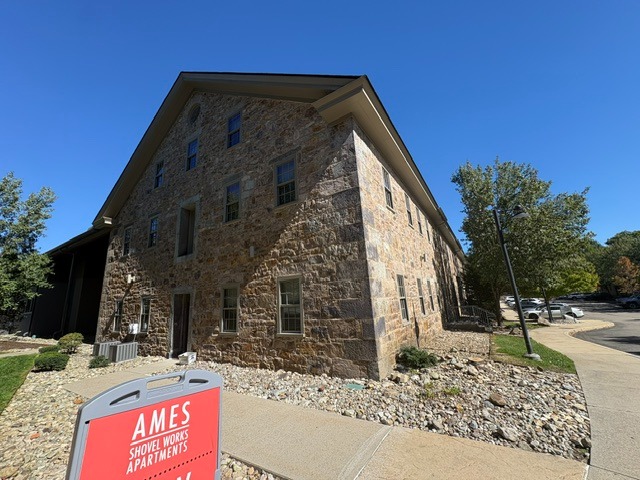
A shovel is a simple tool, but making thousands of strong, dependable shovels required skilled workers, specialized machinery, and a carefully organized factory. At the Ames Shovel Works in North Easton, the surviving stone buildings preserve the story of an industry that helped shape the town and supplied tools for projects far beyond Massachusetts. Oliver […]

Oliver Ames Memorial
At the corner of Main and Oliver Streets in North Easton, a bronze bust rises above a granite pedestal framed by a curved stone bench. The memorial honors Oliver Ames Sr., the manufacturer whose shovel business helped transform Easton into an industrial town. Its inscription invites visitors to consider his legacy beyond the monument itself: […]
Shovel Shop Pond
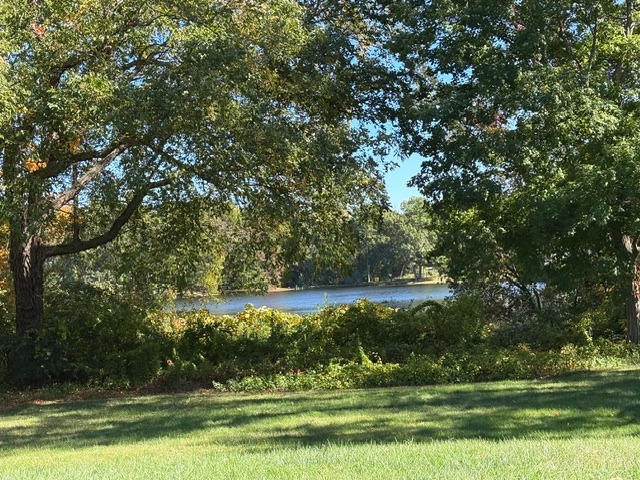
Shovel Shop Pond helped power the industry that shaped North Easton. Its water supplied the original Ames shovel works, making this small pond part of a manufacturing operation whose products would travel far beyond Massachusetts. The wooded shoreline now presents a quiet setting, but the pond’s history is closely tied to machinery, metalworking, and the […]

