The Life of Alice Stallknecht
Alice Stallknecht was born in New York City in 1880 and developed an interest in becoming a professional artist while still young. From 1898 to 1901, she studied illustration at the New York School of Applied Design for Women, an institution created to provide women with practical artistic training and opportunities for professional employment.
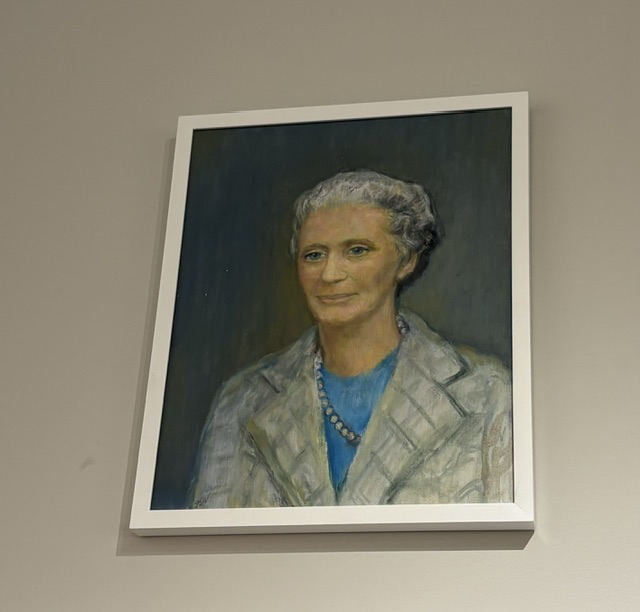
She married Carol Wight in 1901, and their only child, Frederick, was born the following year. Financial difficulties and her husband’s struggles with mental health disrupted Stallknecht’s early ambitions. In 1910, the family moved to Chatham, where they hoped that a quieter life would provide greater stability. The following decades were marked by limited finances, family responsibilities and dependence upon relatives.
Stallknecht continued to draw and paint, but she did not fully develop her mature artistic style until later in life. Her son Frederick became an artist, teacher and museum director, while her husband eventually taught Greek and classical studies. As her family circumstances changed, she was able to devote more of her attention to her own work.
During the 1930s and 1940s, Stallknecht produced the large mural cycles for which she became best known. Her elongated figures, forceful facial expressions and strong outlines differed from conventional portraiture. Her work has been compared with German Expressionism and American Regionalism, but it does not fit comfortably within a single artistic movement. At a time when abstraction was becoming increasingly dominant, she continued to paint recognizable people, religious subjects and scenes from community life.
Although her murals were not always understood or accepted locally, Stallknecht remained committed to her personal vision. When two of the mural cycles were removed from the First Congregational Church, she purchased an abandoned railroad freight building and converted it into a place where the works could remain together.
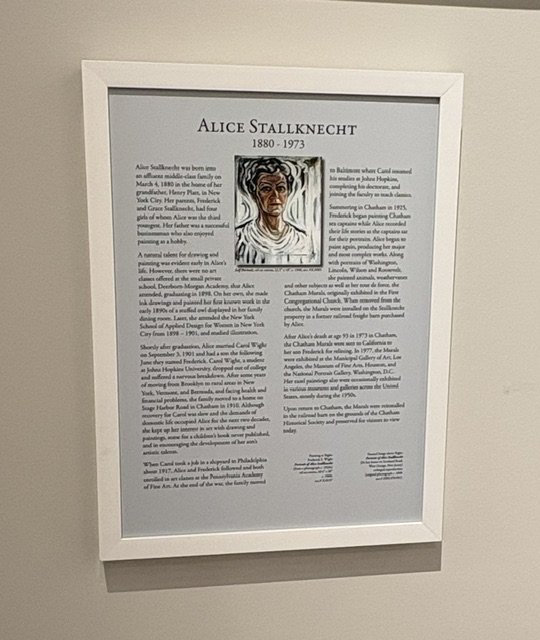
Stallknecht lived in Chatham until her death in 1973. Her murals were subsequently restored under the direction of her son and exhibited in Los Angeles, Houston and Washington, D.C., before returning to Chatham in 1977. The preserved freight building now stands at the Atwood Museum, where her work remains closely connected to the community that inspired it.
Read More
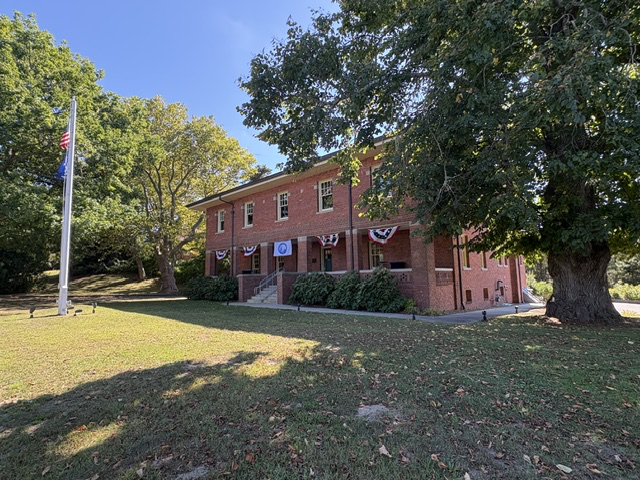
Read More From Nancy
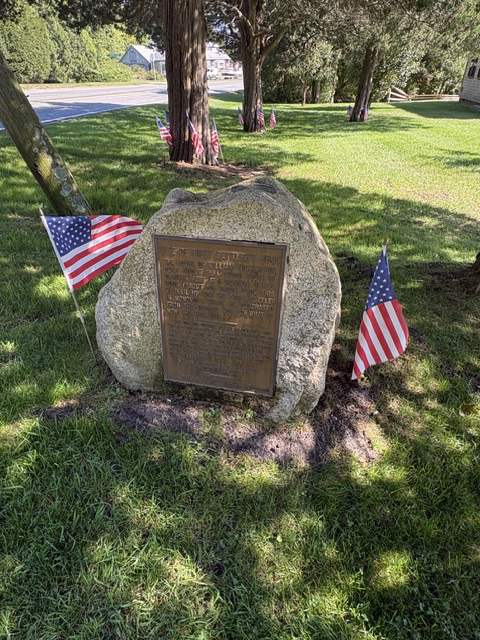
William and Anne Nickerson
William and Anne Busby Nickerson occupy an important place in the history of Chatham as its first permanent English settlers. Their arrival, however, did not mark the beginning of human history here. The region was already known as Monomoit or Monomoyick and was home to the Monomoy people. The Nickerson story is therefore one of English settlement, family determination […]
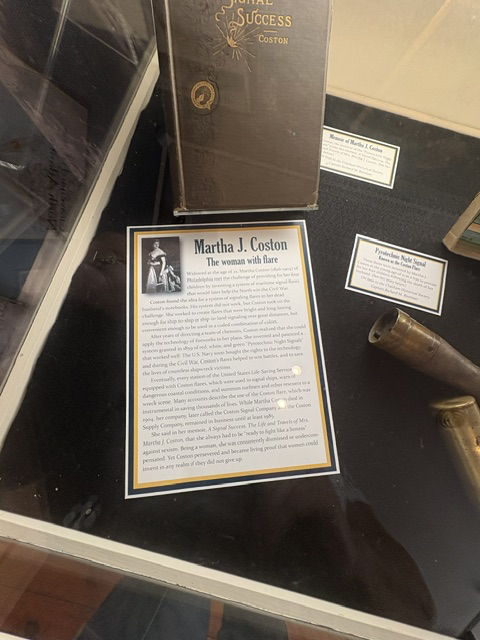
Martha J. Coston and the Signals That Saved Lives
Before radio, ships traveling at night had few reliable ways to communicate with one another or with people on shore. Flags could not be seen in darkness, and lanterns lacked the brightness and distinctive patterns needed to carry clear messages across long distances. Martha J. Coston helped solve this problem by developing a system of […]
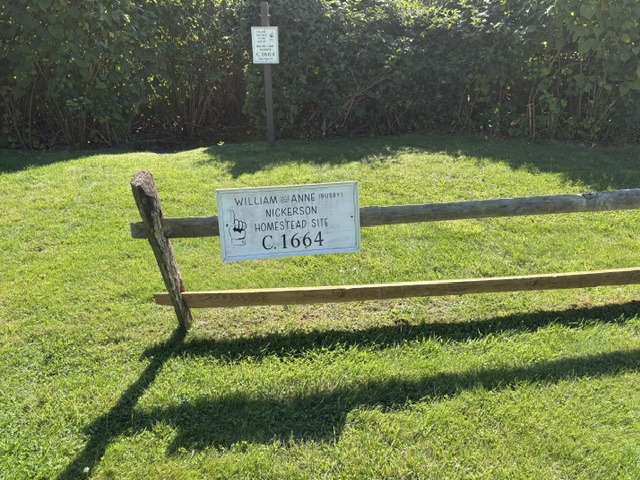
Rediscovering the William and Anne Nickerson Homestead
For centuries, records indicated that William and Anne Busby Nickerson had established their Chatham homestead near Ryder’s Cove around 1664. The general location was known, but the house itself had disappeared. No complete description survived, and little was understood about its size, construction or the daily lives of the people who occupied it. That began […]

