USS Lionfish
Moored at Battleship Cove, USS Lionfish preserves a different experience of naval warfare from the towering surface ships nearby. Its long, low hull belonged to a vessel designed to patrol beneath the water, where concealment, careful observation, and coordination among the crew were essential to survival.
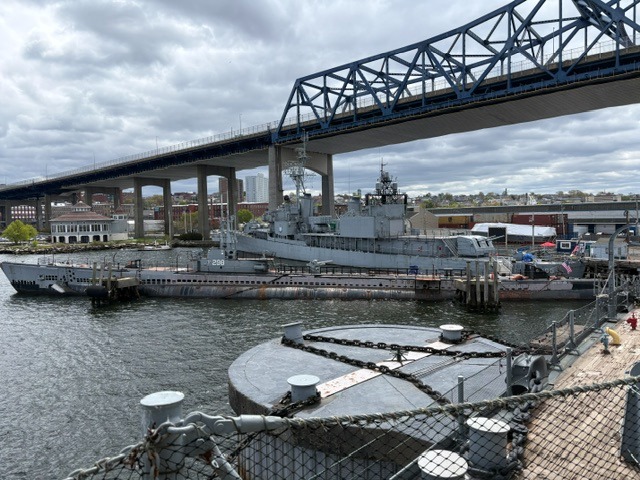
Built in Philadelphia, Lionfish was a Balao-class submarine commissioned on November 1, 1944. After training off New England, it traveled to the Pacific, beginning its first war patrol in Japanese waters on April 1, 1945. Its arrival came during the final months of World War II, but its crew soon encountered the dangers of submarine combat. On April 11, Lionfish evaded two torpedoes fired by an enemy submarine.
Submarine service involved more than attacks on enemy vessels. During its first patrol, Lionfish took aboard survivors of a B-29 bomber from another American submarine and transported them to Saipan. Its second patrol included lifeguard duty off Japan, standing ready to assist downed airmen. These assignments made submarines part of a rescue network as well as a fighting force.
Life aboard required sailors to share confined spaces filled with machinery, controls, weapons, and supplies. Work and rest followed watch schedules, while the crew depended on one another to operate the boat and respond to danger. Beneath the surface, an equipment failure or an approaching enemy could demand immediate, coordinated action.
Lionfish’s service continued after the war through training cruises, NATO exercises, and a later assignment as a reserve training submarine in Providence, Rhode Island. In 1973, it became a permanent memorial at Battleship Cove, preserving both the vessel and a connection to the generations who served aboard submarines.
Along Fall River’s waterfront, Lionfish gives visible form to a service often conducted out of sight. Its preserved hull invites attention to the sailors whose duties carried them below the ocean’s surface, far from home and dependent on the skill of their shipmates.
Read More From Nancy
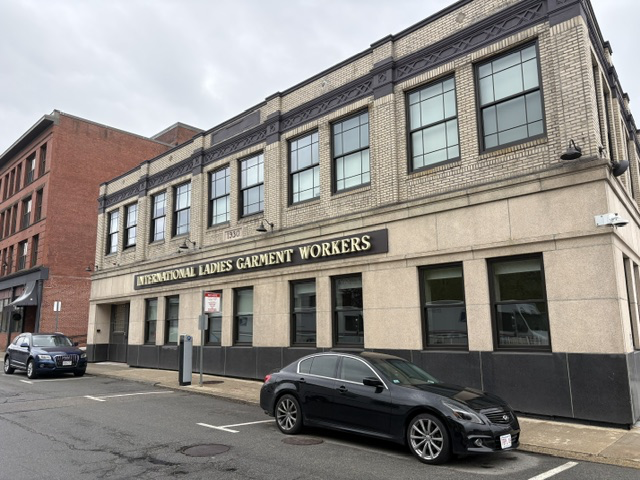
International Ladies’ Garment Worker Union
Walking through downtown Fall River, I was intrigued by the former headquarters of the International Ladies’ Garment Workers’ Union, a reminder of the city’s transformation from the “Spindle City” of cotton textiles to an important center of garment manufacturing. Located at 38 Third Street, the two-story buff brick building was constructed in 1930 by the […]
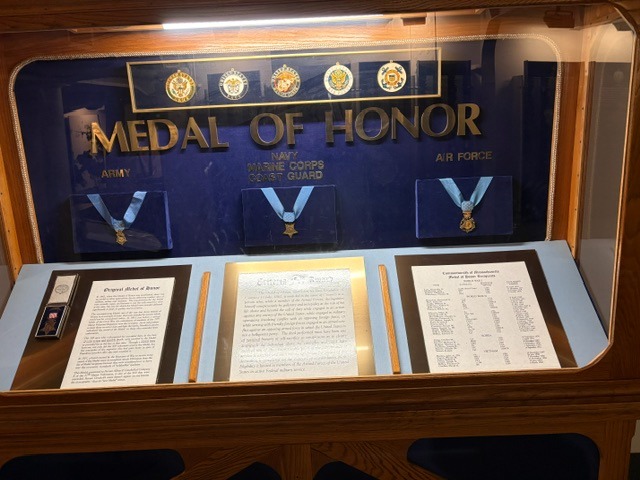
The Medal of Honor at Battleship Cove
At Battleship Cove, a display of the Medal of Honor introduces the history of an award associated with extraordinary courage. The medals are small objects, but their significance rests in the actions they recognize: individuals risking their lives above and beyond the call of duty. The Medal of Honor originated during the Civil War. President […]
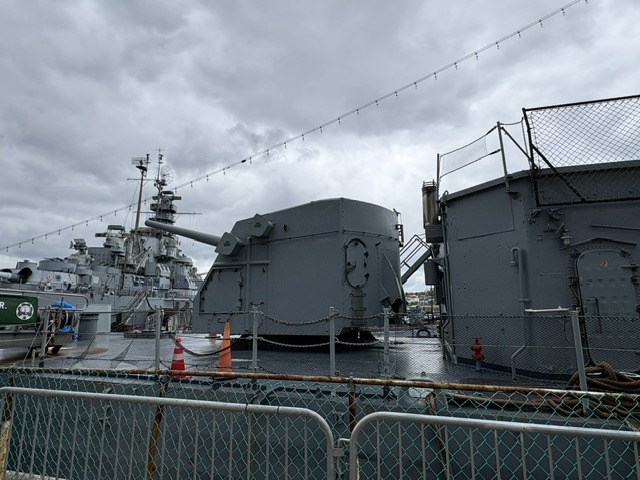
USS Joseph P. Kennedy Jr.
Preserved at Battleship Cove, USS Joseph P. Kennedy Jr. represents a generation of destroyers that served through the changing demands of the postwar Navy. Known to its crew as the “Joey P,” the ship was built at the Fore River Shipyard in Quincy, Massachusetts, and commissioned in December 1945. Its career would include the Korean […]

