USS Joseph P. Kennedy Jr.
Preserved at Battleship Cove, USS Joseph P. Kennedy Jr. represents a generation of destroyers that served through the changing demands of the postwar Navy. Known to its crew as the “Joey P,” the ship was built at the Fore River Shipyard in Quincy, Massachusetts, and commissioned in December 1945. Its career would include the Korean War, Cold War deployments, and support for America’s early space program.
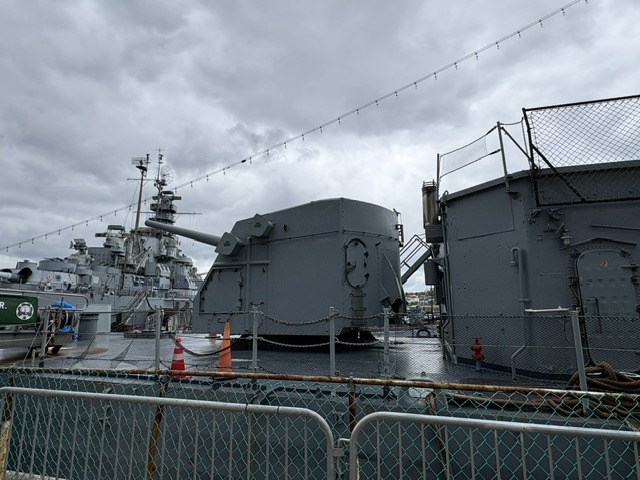
Preserved at Battleship Cove, USS Joseph P. Kennedy Jr. represents a generation of destroyers that served through the changing demands of the postwar Navy. Known to its crew as the “Joey P,” the ship was built at the Fore River Shipyard in Quincy, Massachusetts, and commissioned in December 1945. Its career would include the Korean War, Cold War deployments, and support for America’s early space program.
During the Korean War, the destroyer operated off the Korean coast, carrying out duties that included shore bombardment and screening aircraft carriers. Such assignments reflected the versatility expected of destroyers: they protected larger vessels, supported forces ashore, and responded to changing operational needs.
One of its most consequential assignments came during the Cuban Missile Crisis in October 1962. As President Kennedy confronted the presence of Soviet missiles in Cuba, the ship named for his brother participated in the naval quarantine. On October 26, its crew stopped and boarded the freighter Marucla to inspect its cargo—a practical enforcement action within an international confrontation carrying the risk of nuclear war.
The ship also supported recovery operations for early American space missions, connecting naval service with the work of returning astronauts safely from the sea. After leaving active service in 1973, it joined Battleship Cove in 1974.
At Fall River, the preserved destroyer brings these different chapters together. Its decks and compartments hold the history of a working ship whose responsibilities ranged from combat operations to inspection duties and spacecraft recovery. They also preserve the setting in which generations of sailors carried out the daily work behind those events.

Read More From Nancy
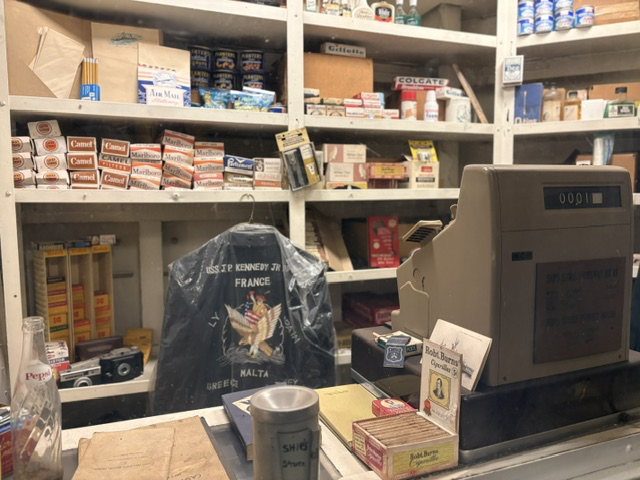
The Ship’s Store
Touring the ships at Battleship Cove, it was the ordinary spaces that often made me stop and look more closely. The enormous guns and machinery tell us what these ships were built to do, but places like this tell us what it was like to live aboard one. The ship’s store was a small piece […]
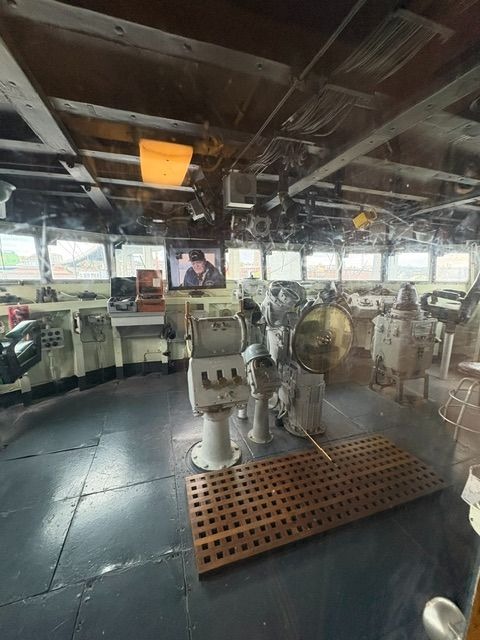
The Ship’s Bridge at Battleship Cove
Surrounded by windows, instruments, and communication equipment, the ship’s bridge was a working space where decisions became movement. From here, officers and sailors directed the vessel’s course and speed, watched surrounding waters, and coordinated with personnel elsewhere aboard ship. The wheel was one part of that operation. A helmsman carried out steering orders, while another […]
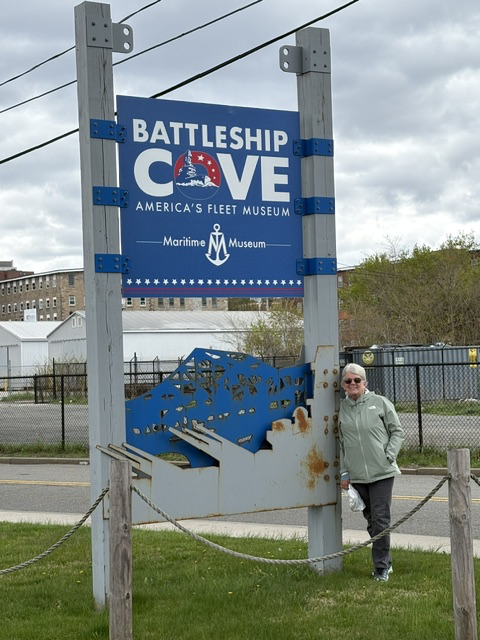
Battleship Cove
One of the highlights of our visit to Fall River was Battleship Cove, home to the largest collection of historic naval vessels in the world. Located along the waterfront of Mount Hope Bay, this remarkable museum preserves ships that served during World War II and the Cold War, allowing visitors to step aboard and experience […]

