International Ladies’ Garment Worker Union
Walking through downtown Fall River, I was intrigued by the former headquarters of the International Ladies’ Garment Workers’ Union, a reminder of the city’s transformation from the “Spindle City” of cotton textiles to an important center of garment manufacturing. Located at 38 Third Street, the two-story buff brick building was constructed in 1930 by the List brothers for their auto parts business. In 1951, the local chapter of the ILGWU purchased the building and converted it into its headquarters. The union also established a women’s health center here, reflecting the organization’s commitment not only to labor issues but also to the well-being of its members.
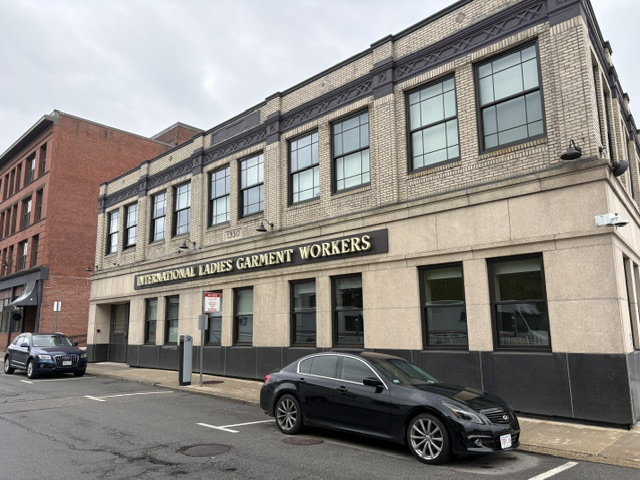
The International Ladies’ Garment Workers’ Union was one of the most influential labor organizations in American history. Founded in 1900, the union fought for better wages, safer working conditions, and social reforms. Its importance grew following the tragic Triangle Shirtwaist Factory fire of 1911, which exposed the dangerous conditions faced by garment workers and helped inspire nationwide labor reforms.
Fall River’s connection to the garment industry developed after the decline of its once-dominant cotton mills. During the 1930s and 1940s, smaller clothing manufacturers moved into the city’s vacant mill buildings, employing thousands of workers, many of them women from Portuguese, French-Canadian, Polish, Lebanese, and other immigrant communities. The garment industry helped sustain Fall River through difficult economic times, and the ILGWU played a major role in protecting workers’ rights and improving their quality of life.
The union occupied the Third Street building until 1995. After standing as a symbol of organized labor for more than four decades, the building was eventually sold and, in recent years, carefully restored and converted into apartments. Today, the name “International Ladies’ Garment Workers” remains prominently displayed on the façade, preserving an important reminder of the men and women whose labor helped shape Fall River’s economy and whose struggles contributed to improved working conditions for workers throughout the United States.
Read More From Nancy
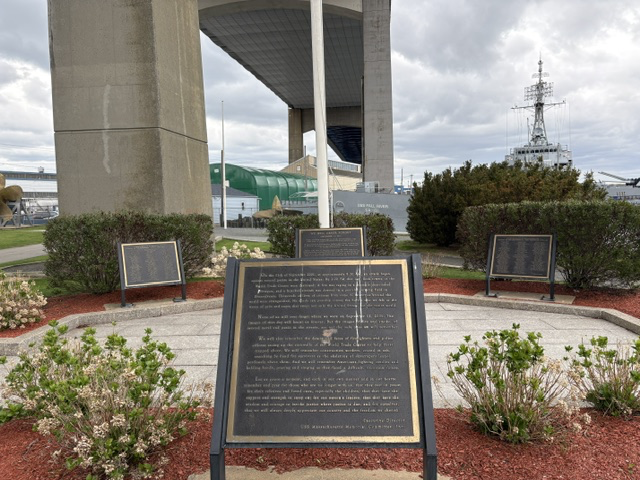
Tribute to “Fall River”
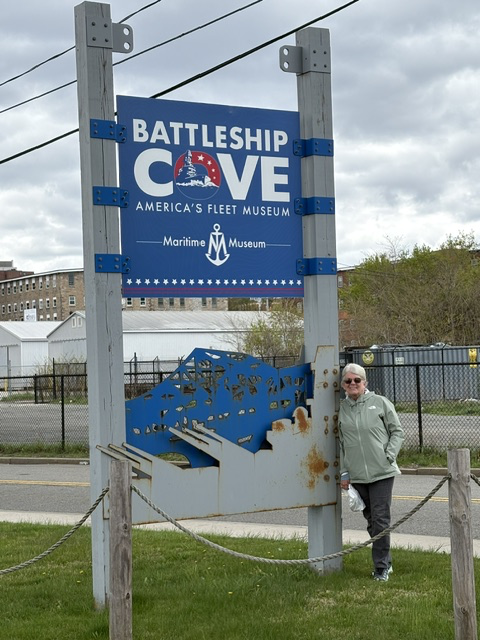
Along the waterfront near Battleship Cove, I came upon the solemn memorial dedicated to the crew of the USS Fall River, the heavy cruiser named in honor of the city. Positioned beneath the towering Braga Bridge and overlooking Mount Hope Bay, the memorial serves as a lasting tribute to the men who served aboard the ship […]
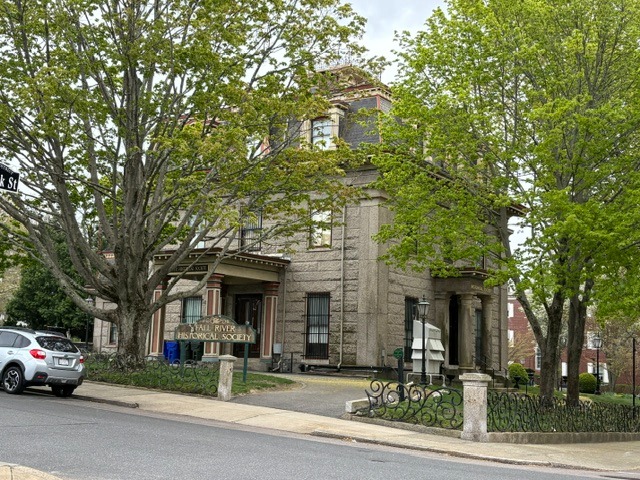
The Fall River Historical Society Mansion
The granite mansion at 451 Rock Street has occupied two locations and served several purposes during its long history. Built as a private home in 1843, it became associated with the Underground Railroad, underwent relocation and architectural transformation, and eventually became the home of the Fall River Historical Society. The house was originally constructed on […]
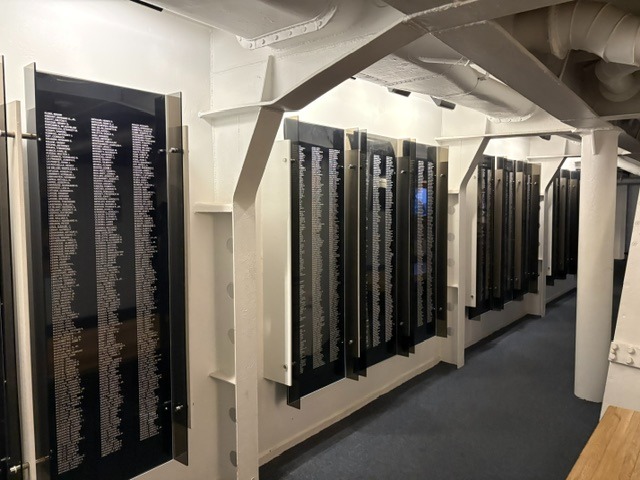
The Memorial Room aboard USS Massachusetts
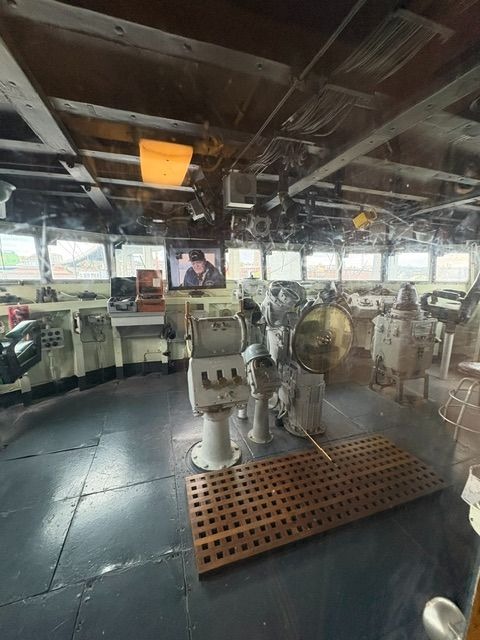
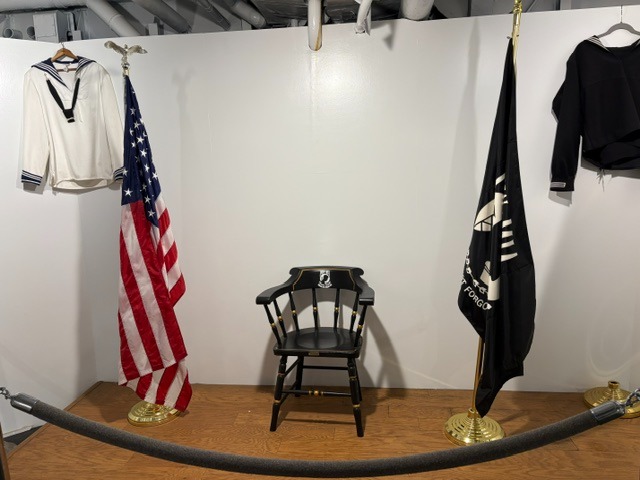
Inside USS Massachusetts at Battleship Cove, a room lined with names gives the preserved warship a deeply personal purpose. The Memorial Room honors the more than 13,000 Massachusetts men and women from all branches of the armed forces who died in service to their country during World War II. Battleship Cove serves as the Commonwealth’s […]

