Timucuan Ecological and Historic Preserve
The National Park Service protects places where history unfolded over thousands of years as well as places where a single dramatic event occurred. Timucuan Ecological and Historic Preserve, near Jacksonville, Florida, is one of those places.
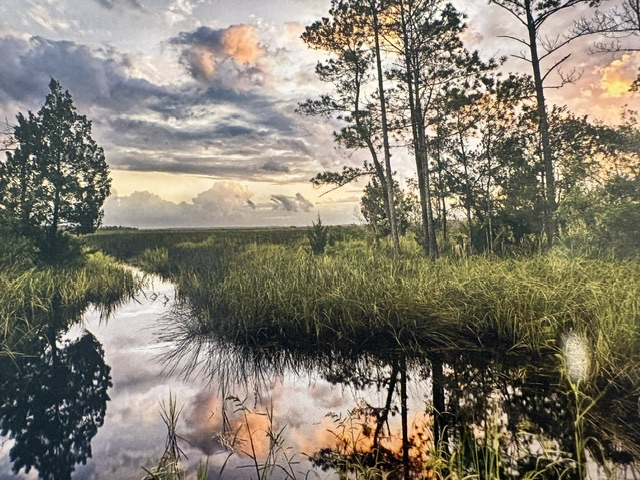
Established in 1988, the preserve encompasses more than 46,000 acres of salt marshes, tidal creeks, rivers, hardwood hammocks, and coastal forests. It is one of the last large, unspoiled coastal wetland systems remaining on the Atlantic coast and serves as a reminder of what much of Florida’s coastline once looked like before modern development transformed it.
What makes this preserve especially fascinating is the remarkable continuity of human life within its boundaries. Archaeological discoveries indicate that people have lived here for at least 6,000 years. Long before Europeans explored the southeastern coast, Native peoples fished the estuaries, harvested oysters, navigated the tidal waterways, and established thriving communities that depended upon the rhythms of the marsh.
The preserve takes its name from the Timucua people, whose villages occupied much of northern Florida when the first Spanish explorers arrived in the sixteenth century. Although disease, warfare, and colonization eventually led to the disappearance of the Timucua as a distinct people, their story remains woven into this landscape. Shell middens, archaeological sites, and the waterways they once traveled continue to tell their history.
Timucuan Ecological and Historic Preserve also protects places from later chapters of American history. Within its boundaries are the remains of Fort Caroline, the site of the short-lived French settlement established in 1564, and Kingsley Plantation, one of the best-preserved plantation sites in the southeastern United States. Together, these places allow visitors to explore thousands of years of Native American history alongside the stories of European exploration, slavery, agriculture, and the development of coastal Florida.
Read More From Nancy
Charles Pinckney National Historic Site
In 2018, while traveling to Charleston for a wedding, I took a side trip across the Cooper River to a place connected to the founding of our nations: Charles Pinckney National Historic Site. This site in Mount Pleasant, S.C., preserves Snee Farm, land once owned by one of America’s Founding Fathers. Charles Pinckney was born […]
Cumberland Gap National Historical Park
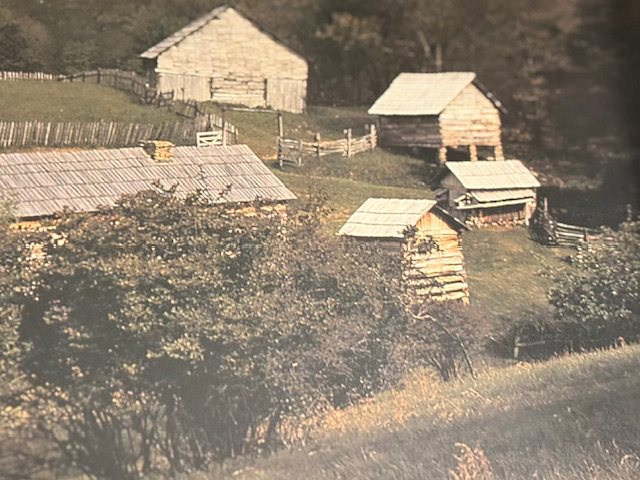
At the Cumberland Gap National Historical Park, located at the intersection of Kentucky, Tennessee and Virginia, high atop Cumberland Mountain sits the Hensley Settlement, a restored early 20th century mountain community. To understand this place, you first must understand the Cumberland Gap itself. The gap is a natural pass through the Appalachian Mountains, one of the few […]
Virgin Islands National Park
One of the highlights of our family vacation to St Thomas, was visiting the Virgin Islands National Park on the island of St. John. While we were staying on nearby St. Thomas, we took the ferry across the crystal blue waters of the Caribbean to spend a day exploring this unique national park. Virgin Islands National Park is a place […]

