Ocmulgee Mounds National Historical Park
We had the opportunity to explore many parts of Georgia while Erin was attending chiropractic school in Marietta, and one place we visited was Ocmulgee Mounds National Historical Park near Macon. Preserving traces of more than 12,000 years of human history, the park tells the story of the many peoples who lived along the Ocmulgee River, from Ice Age hunters to the powerful Mississippian culture and, later, the historic Muscogee (Creek) Confederacy.
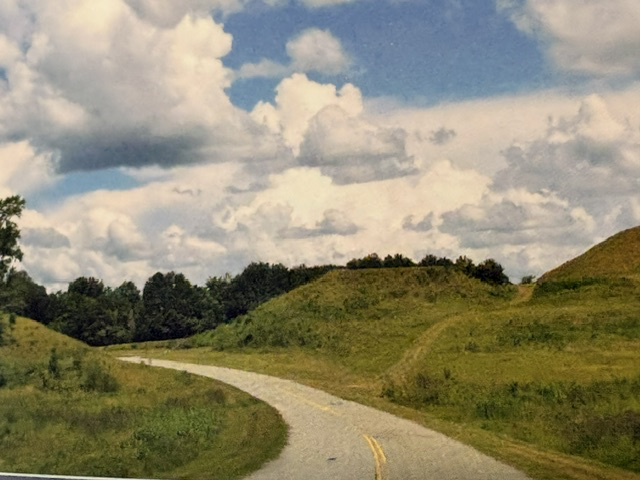
The most striking features of the park are the great earthen temple mounds built by the Mississippian people between approximately A.D. 900 and 1100. These mounds served as centers of political, religious, and ceremonial life and testify to the sophisticated societies that flourished in the Southeast long before European contact. Remarkably, these massive earthworks have survived for nearly a thousand years and remain among the finest examples of Mississippian culture in the United States.
Established as a national monument in 1936 and redesignated as a national historical park in 2019, Ocmulgee preserves not only the mounds themselves but also village sites, burial grounds, and thousands of artifacts uncovered during extensive archaeological excavations. One of the park’s most extraordinary treasures is the reconstructed Earth Lodge, where tribal leaders once gathered around a ceremonial platform shaped like an eagle.
For the Muscogee people, whose ancestors lived here for countless generations, Ocmulgee remains a sacred and significant place. Standing among these ancient mounds, I was reminded that some of the oldest stories in America are found not in buildings or monuments, but in landscapes that have sustained human communities for thousands of years. The surviving temple mounds and sacred earthworks serve as enduring reminders of the rich cultures that thrived here long before European settlement and of the continuing legacy of the Muscogee Nation.


Read More From Nancy
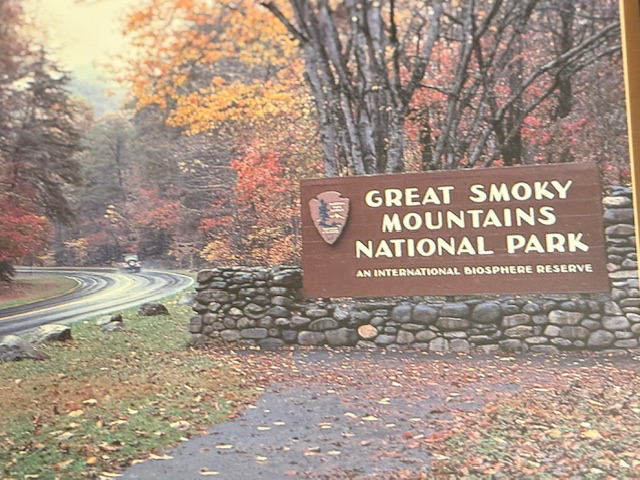
Great Smoky Mountains National Park
The Great Smoky Mountains National Park is another special national park, one that holds some of my fondest memories. It was here that Marty and I traveled for our first honeymoon, after our student wedding while still at Life University. I have visited again since then, but it is that first trip, exploring this beautiful area […]
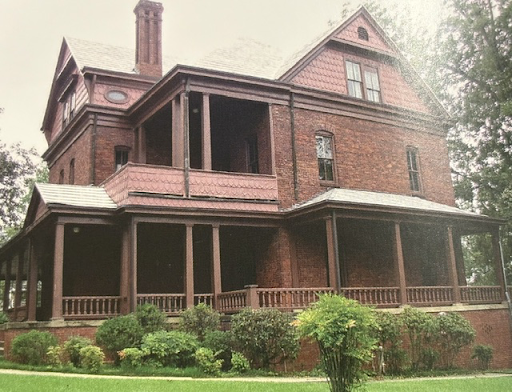
Tuskegee Institute National Historic Site
A visit to the Tuskegee Institute National Historic Site is an opportunity to explore one of the most important educational institutions in American history. Established as a National Historic Site in 1974, the park preserves a portion of the original Tuskegee Institute campus and the legacy of Booker T. Washington, whose vision helped transform educational opportunities for […]
Cowpens National Battlefield
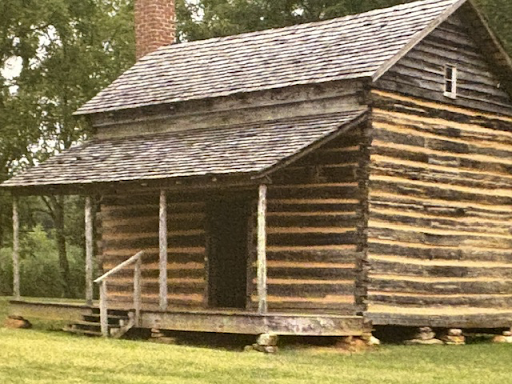
A visit to Cowpens National Battlefield is a chance to stand on the ground where an important American victory of the Revolutionary War took place. While the battlefield tells the story of military strategy, this reconstructed log cabin helps visitors understand the everyday lives of the people who called the Carolina backcountry home in the late eighteenth […]

