Vicksburg National Military Park
National Military Park in Vicksburg, Mississippi, preserves one of the most decisive campaigns of the Civil War. Established as a National Military Park in 1899, it commemorates the siege of Vicksburg, which ended with a Union victory on July 4, 1863. With the surrender of the city, the Union gained control of the entire Mississippi River, splitting the Confederacy in two and dramatically changing the course of the war.
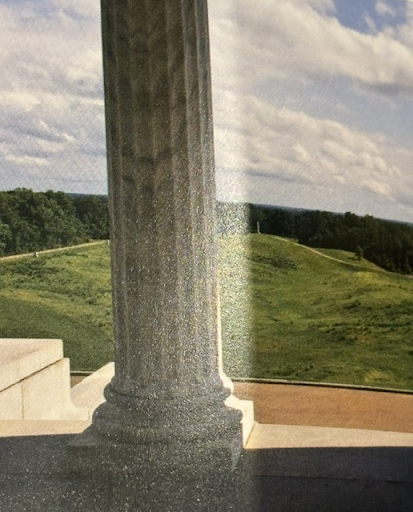
The campaign lasted from March 29 through July 4, 1863, culminating in a 47-day siege. Confederate soldiers and the citizens of Vicksburg endured constant bombardment as Union forces slowly tightened their grip on what had become known as the “Gibraltar of the Confederacy.” Food became scarce, and many families sought shelter in caves dug into the surrounding hillsides to escape the relentless artillery fire.
As I explored the battlefield, I found myself thinking less about military strategy and more about the people who lived through those forty-seven days. It is one thing to read that a city was under siege. It is another to stand where thousands of soldiers fought and where civilians struggled simply to survive each day.
I have found Civil War battlefields among the most difficult places to visit. While they commemorate important victories and turning points in our nation’s history, they also remind us of the suffering endured by soldiers and civilians on both sides. It is hard to celebrate a military triumph when you are standing in a place where so many lives were forever changed.
Perhaps that is why places like Vicksburg are so important to preserve. They allow us to remember not only the outcome of a battle, but also the sacrifices that accompanied it. Walking these quiet fields today encourages reflection rather than celebration and reminds us of the high price our nation paid to remain united.
Read More From Nancy
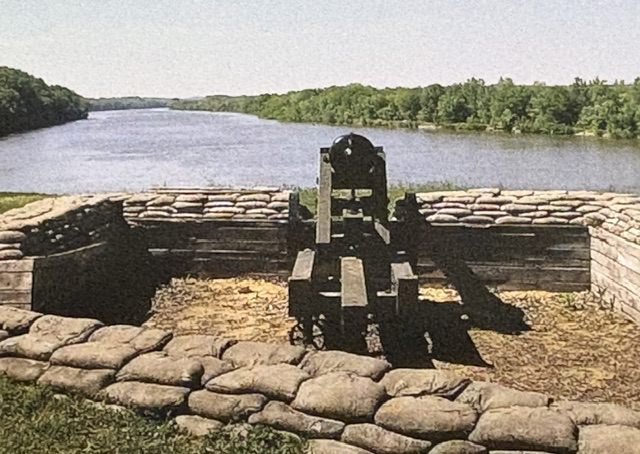
Fort Donelson National Battlefield
Fort Donelson National Battlefield in Dover, Tennessee, preserves the site of one of the most important Union victories of the Civil War. Established as a National Military Park in 1928, it commemorates the battle fought in February 1862, when Union forces under Brigadier General Ulysses S. Grant captured Fort Donelson and opened the Cumberland and […]
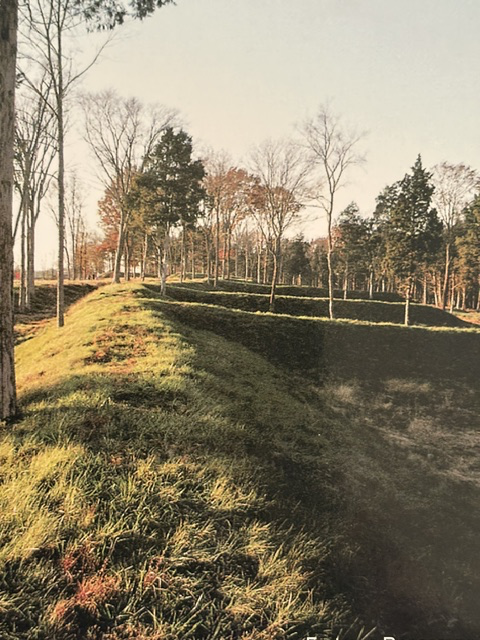
Stones River National Battlefield
While visiting Stones River National Battlefield in Murfreesboro, we came upon these long, grass-covered earthworks. At first glance they look almost like natural ridges, but they are surviving sections of Fortress Rosecrans, one of the largest earthen fortifications constructed during the Civil War. The fortress was built following the Battle of Stones River, fought from […]
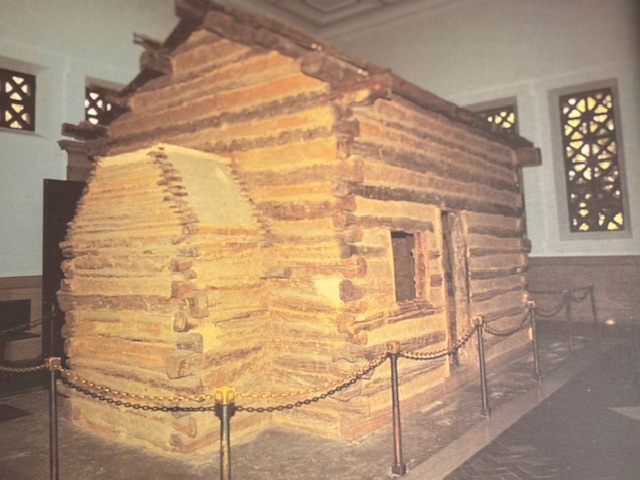
Abraham Lincoln Birthplace
The Abraham Lincoln Birthplace National Historical Park preserves the early beginnings of Abraham Lincoln in Hodgenville, Kentucky. On February 12, 1809, Abraham Lincoln was born in a one room cabin. The cabin was built of native hardwood logs and chinked with local clay. It measured 16 by 18 feet and was heated by a tone lined fireplace. […]

