Jimmy Carter National Historical Park
I loved visiting Plains, Georgia, the hometown of Jimmy Carter. The town seemed almost suspended in time. Walking along its streets and visiting the places associated with Carter’s life, we could see how closely the story of the community remained connected to the man who became the 39th president of the United States.
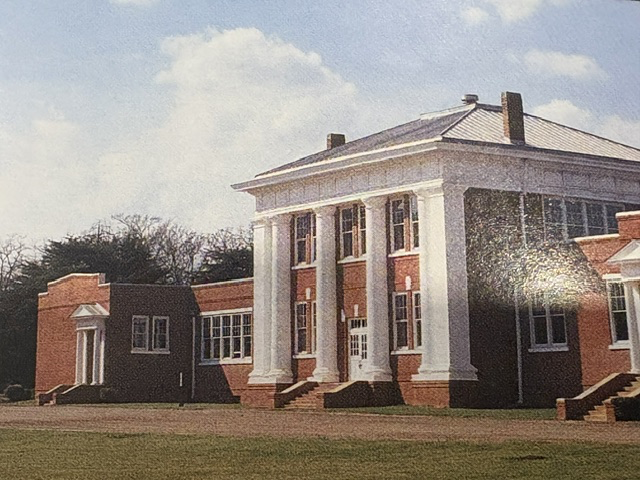
The Plains High School is where Jimmy and Rosalynn Carter were students. The restored school now serves as the visitor center and museum for Jimmy Carter National Historical Park. Its classrooms, auditorium and exhibits introduce visitors to Carter’s education, family, political career and lifelong relationship with Plains.
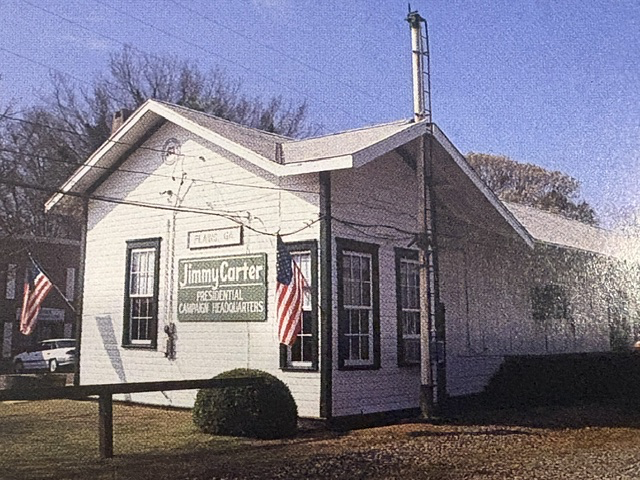
The Plains railroad depot was Built in 1888 and is the oldest surviving building in town and once served passengers and agricultural businesses. In 1976, this modest wooden depot became Carter’s presidential campaign headquarters. From a town unfamiliar to many Americans, campaign workers organized the effort that carried a Georgia peanut farmer and former governor to the White House.
Carter’s character was deeply influenced by the rural southern community in which he was raised. Life on his family’s farm taught him discipline, hard work and respect for the land. His Baptist faith encouraged a commitment to service, while growing up within the racial divisions of the segregated South exposed him to injustices he would later confront more directly. These experiences helped shape the values he carried into public life: personal responsibility, conservation, racial equality, human rights and the peaceful resolution of conflict.
As president from 1977 to 1981, Carter placed human rights at the center of American foreign policy, promoted energy conservation and helped negotiate the Camp David Accords between Egypt and Israel. After leaving office, he returned to Plains and continued his humanitarian work through the Carter Center while remaining active in his church and community. His return reinforced the sense that Plains was not merely where his life began; it remained his home.
President Ronald Reagan signed legislation establishing the Jimmy Carter National Historic Site and Preservation District as a unit of the National Park System in 1987. rose The protected properties included Plains High School, the railroad depot, Carter’s boyhood home and farm, and other places closely connected to Jimmy and Rosalynn Carter. On January 13, 2021, President Donald Trump signed legislation redesignating the site as Jimmy Carter National Historical Park.
Read More From Nancy
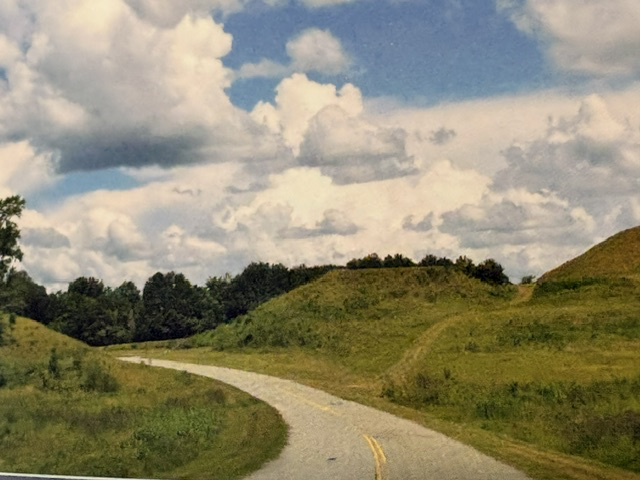
Ocmulgee Mounds National Historical Park
We had the opportunity to explore many parts of Georgia while Erin was attending chiropractic school in Marietta, and one place we visited was Ocmulgee Mounds National Historical Park near Macon. Preserving traces of more than 12,000 years of human history, the park tells the story of the many peoples who lived along the Ocmulgee […]
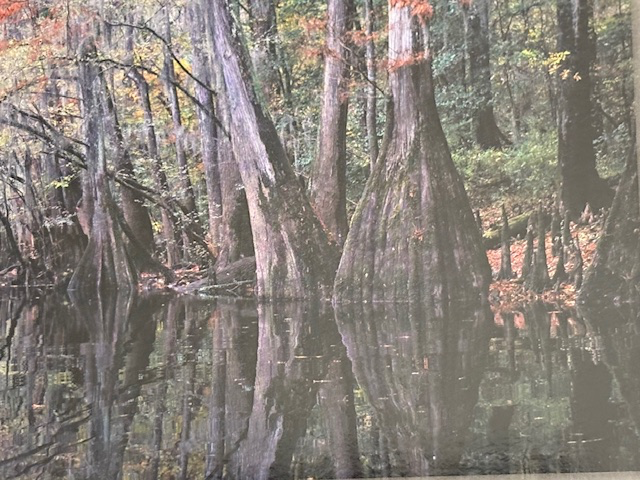
Congaree National Park
Located just outside Columbia, South Carolina, Congaree National Park protects one of the largest remaining tracts of old growth bottomland hardwood forest in the United States. This is a floodplain, shaped by the seasonal rise and fall of the Congaree River, which brings nutrients into the soil and allows the trees here to grow exceptionally tall. These […]
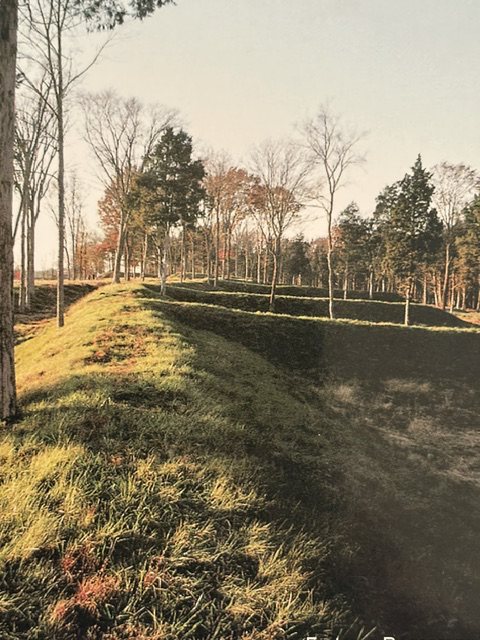
Stones River National Battlefield
While visiting Stones River National Battlefield in Murfreesboro, we came upon these long, grass-covered earthworks. At first glance they look almost like natural ridges, but they are surviving sections of Fortress Rosecrans, one of the largest earthen fortifications constructed during the Civil War. The fortress was built following the Battle of Stones River, fought from […]

