Cumberland Gap National Historical Park
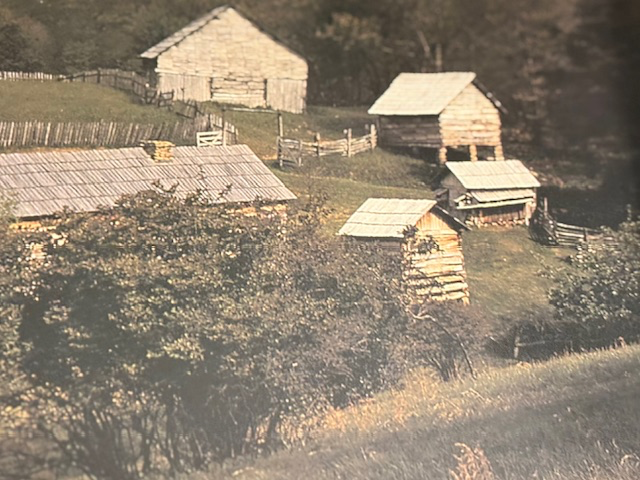
At the Cumberland Gap National Historical Park, located at the intersection of Kentucky, Tennessee and Virginia, high atop Cumberland Mountain sits the Hensley Settlement, a restored early 20th century mountain community.
To understand this place, you first must understand the Cumberland Gap itself.
The gap is a natural pass through the Appalachian Mountains, one of the few accessible routes through the otherwise formidable barrier. For centuries, it served as a pathway, first of Native Americans, and later for early settlers moving west. In the late 1700s, pioneers such as Daniel Boone helped establish routes through the gap, opening the way for thousands of settlers to travel into Kentucky and beyond. It became known as the “Gateway to the West”, a critical passage in the expansion of the United States.
Hensley Settlement was not a place easily accessed, and that distance shaped the lives of the families who lived here. Established around 1903 by the Hensley family, the community grew into a small, self-sufficient settlement.
The homes, built of logs and local materials, were simple but functional. Surrounding them were fields carved out of mountain, where residents farmed, raised livestock and lived largely off the land. A schoolhouse, a springhouse and shared spaces reflect the close knot nature of the community.
The settlement remained occupied into the mid-20th century before becoming part of the park. The park itself was established in 1940 and is maintained by the National Park Service.
The Cumberland Gap carried thousands of people westward, shaping the movement of the nation. This park reflects where movement and settlement meet, where some passed through and some settled.
Read More From Nancy
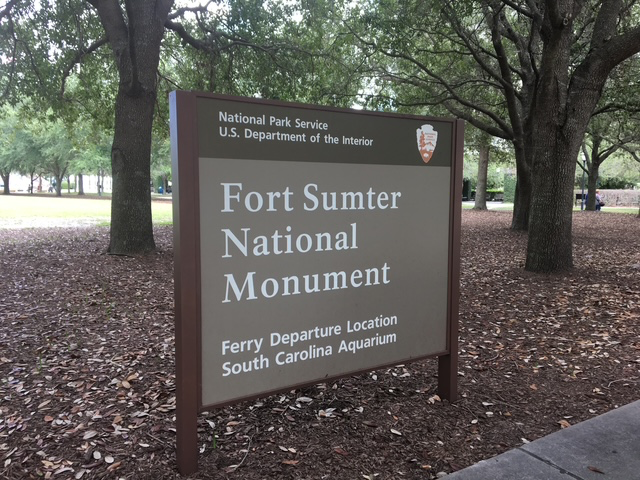
Fort Sumter
In the harbor of Charleston stands a place where the course of American history changed in a single moment: Fort Sumter. Built after the War of 1812 as part of a coastal defense system, the fort was still unfinished when tenstions between North and South reached their breaking point. By early 1861, South Carolina had […]
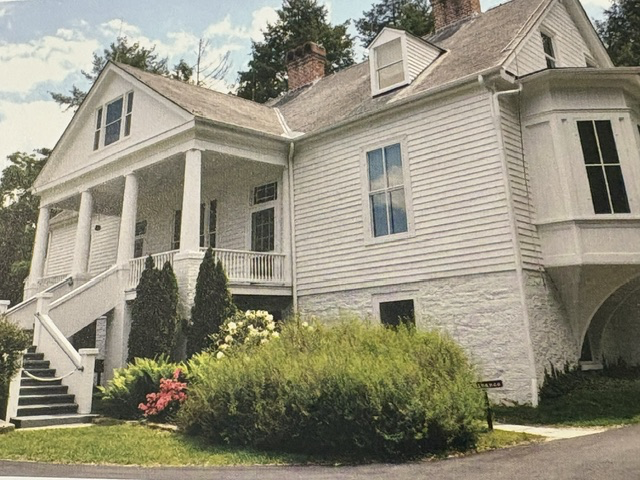
Carl Sandburg Home National Historic Site
Carl Sandburg Home National Historic Site preserves the home and farm where one of America’s most important twentieth-century writers spent the final years of his life. A nationally renowned poet, journalist, biographer, and winner of three Pulitzer Prizes, Carl Sandburg used his writing to explore the lives, struggles, language, and spirit of the American people. […]
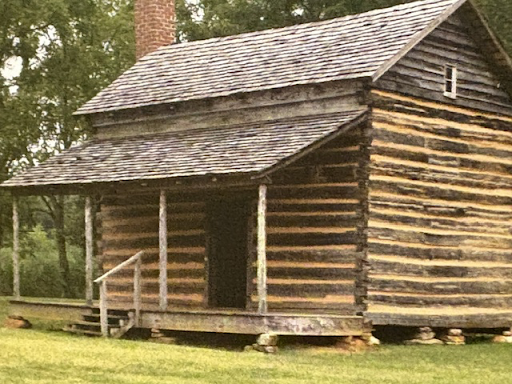
Cowpens National Battlefield
A visit to Cowpens National Battlefield is a chance to stand on the ground where an important American victory of the Revolutionary War took place. While the battlefield tells the story of military strategy, this reconstructed log cabin helps visitors understand the everyday lives of the people who called the Carolina backcountry home in the late eighteenth […]

