The Old Training Field
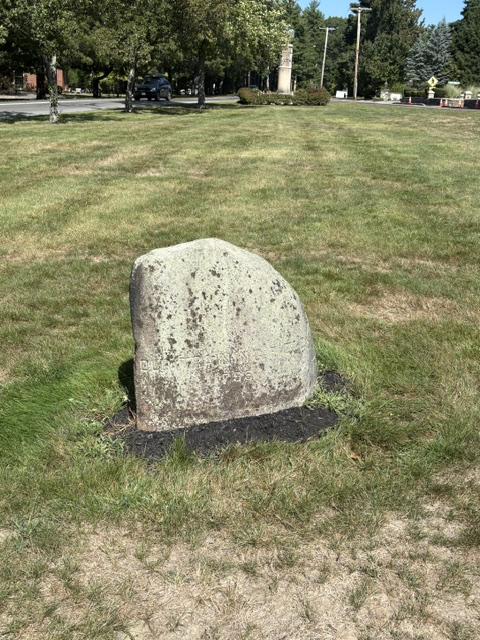
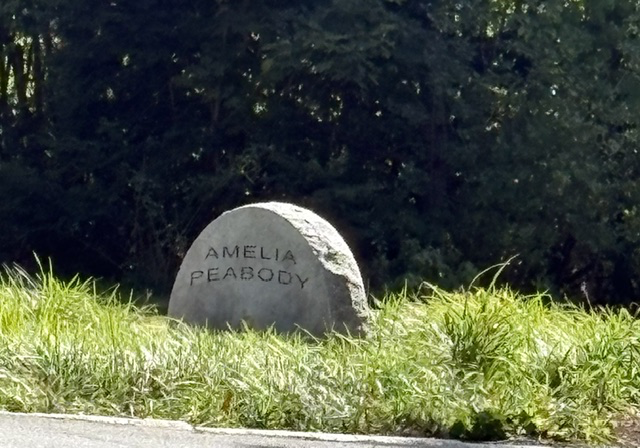
Dover’s Old Training Field was established in 1755, when the community was still known as the Springfield Parish of Dedham. Like other New England communities, the parish maintained a local militia whose members gathered regularly to practice marching, handling weapons and responding to an alarm.
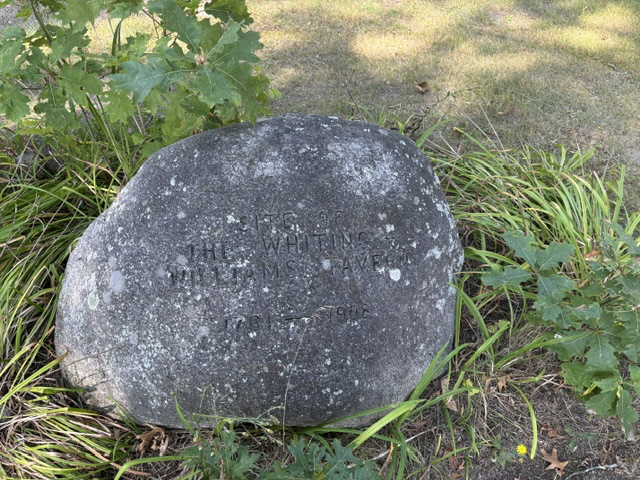
Training days served both military and civic purposes. Militia members prepared to defend their community, while residents gathered to observe the drills, conduct business and socialize. The nearby parish tavern became another important meeting place, connecting military preparation with the daily life of the developing community.
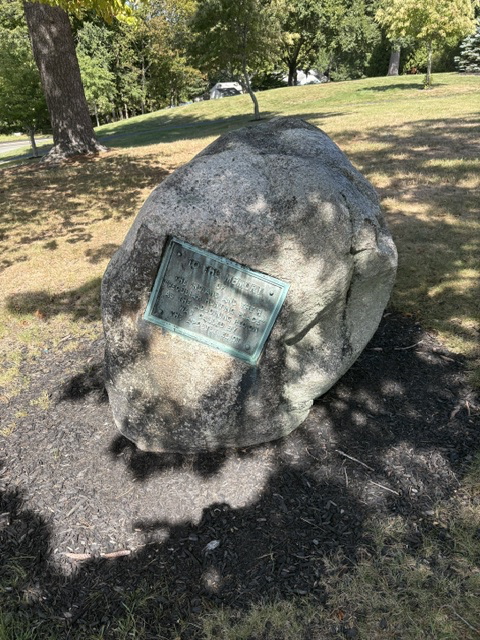
On the morning of April 19, 1775, news of the fighting at Lexington reached Dover. Sixty-six local minutemen assembled on the Training Field before marching under Captain Ebenezer Battelle in response to the Lexington Alarm. They joined other Massachusetts militia companies converging upon the route of the retreating British troops.
Among the Dover men was Elias Haven, who had reportedly left his harrow standing in a field when he answered the alarm. He was killed later that day while fighting in Menotomy, now Arlington, becoming Dover’s only casualty of the opening day of the American Revolution.
The field continued to be used for state militia training days until about 1850. Its history reaches from the colonial period through the Revolution and into the nineteenth century, preserving the story of the ground where generations of Dover residents gathered, trained and prepared to serve their community.
Read More From Nancy
Dover Soldiers’ Monument
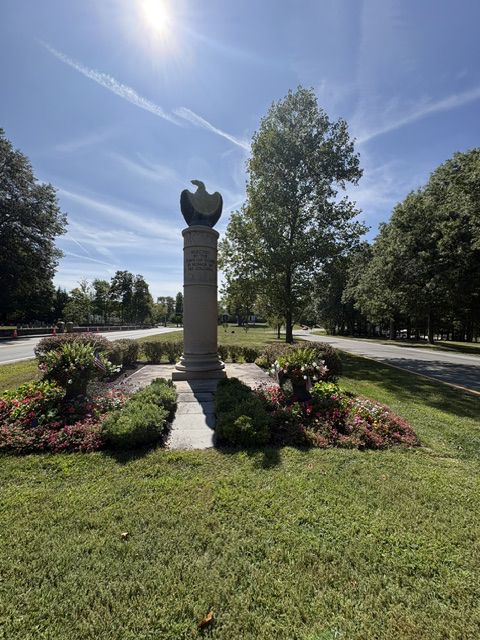
The idea of creating a soldiers’ monument in Dover began soon after the Civil War. As early as 1875, Civil War veteran Ansel K. Tisdale advocated for a permanent memorial. The effort continued through the work of other residents, and a portion of the town’s annual Memorial Day appropriation was eventually set aside to establish […]
Highland Cemetery
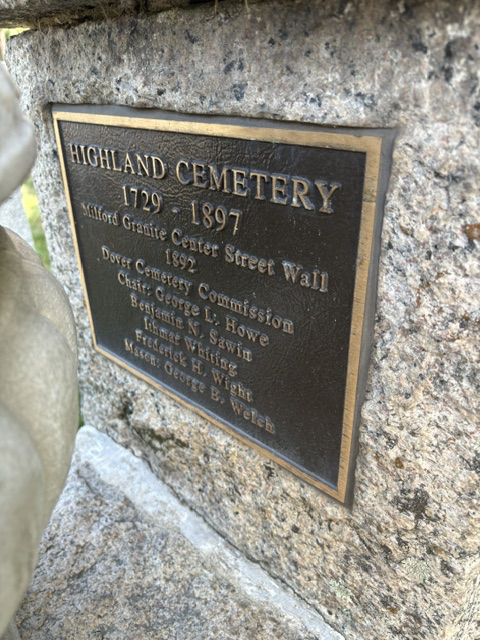
Highland Cemetery began as a small colonial burying ground on land belonging to Nathaniel Chickering. Dating to 1729, it was established when Dover was still part of Dedham and consisted of scattered farms connected by narrow roads and footpaths. Chickering later formally gave the original tract to the community, ensuring that local families would have […]
Caryl Farm Museum
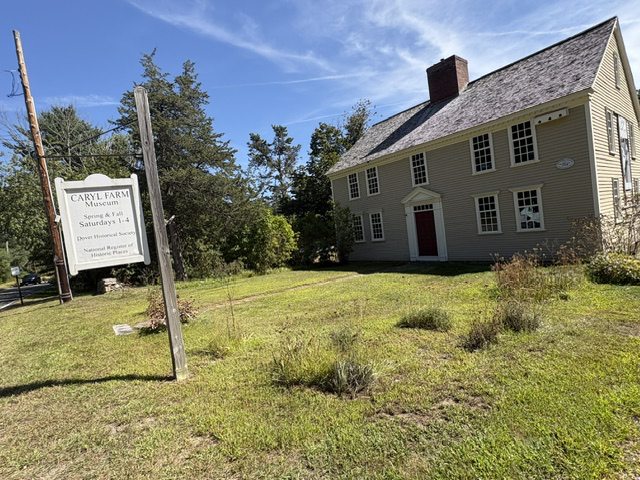
The Caryl Farm Museum, also known as the Benjamin Caryl House, was built around 1777 for the Reverend Benjamin Caryl. At the time, the area was still Springfield Parish, part of the much larger town of Dedham. It later became the District of Dover in 1784 and was incorporated as a separate town in 1836. […]

