Amelia Peabody
Amelia Peabody was born into a prominent Boston family in 1890, but she created a life that extended far beyond the social expectations placed upon a woman of her background. Although she did not attend college, she studied sculpture in Boston, New York and Paris. Her work included portraits, human figures and animals created in bronze, stone and ceramics, and it was exhibited in Boston, New York and other major artistic centers.
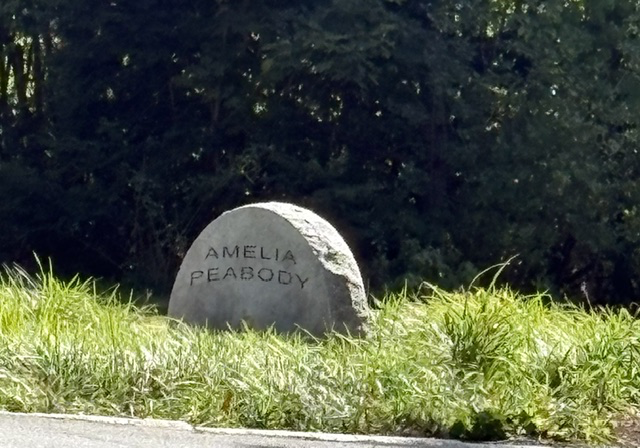
Peabody began purchasing land in Dover in 1923. Over the following six decades, she assembled an estate of nearly 800 acres that included Mill Farm, Powisset Farm and much of what is now Noanet Woodlands. An accomplished horsewoman and farmer, she raised thoroughbred horses, Hereford cattle and Yorkshire pigs. Her livestock earned recognition at agricultural exhibitions, while her property became a gathering place for farmers, breeders and members of the local community.
Her interests also reached into science and innovation. In 1948, she financed the Dover Sun House, an experimental residence designed by architect Eleanor Raymond with a solar-heating system developed by scientist Maria Telkes. It was one of the earliest houses in the world designed to be heated primarily by solar energy.
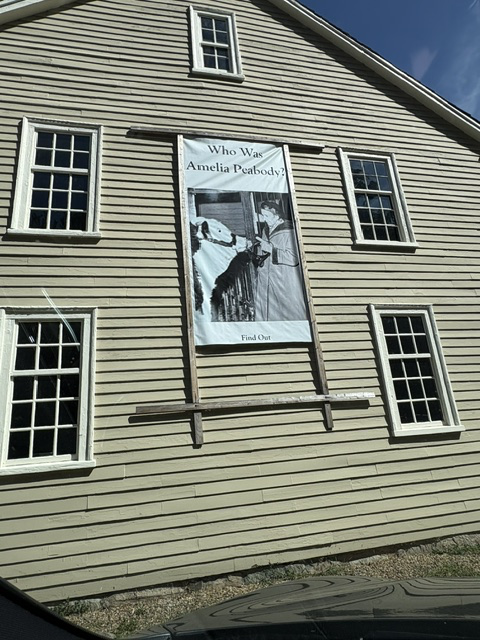
Peabody believed that wealth carried a responsibility to serve others. During World War II, she helped develop art and occupational-therapy programs for wounded service members through the American Red Cross. She also supported hospitals, medical research, veterinary medicine, education, museums, historic preservation and organizations assisting people in need.
Before her death in 1984, Peabody arranged for much of her Dover land to be protected. Her gifts helped preserve the forests, fields, trails and farmland now enjoyed at Noanet Woodlands and Powisset Farm. The charitable organizations bearing her name continue to support medicine, social welfare, the arts, historic preservation and land conservation throughout Massachusetts.
Amelia Peabody left no single legacy. She was an artist, farmer, horsewoman, conservationist, innovator and philanthropist whose influence remains visible across Dover and throughout the Commonwealth. Her life demonstrates how personal curiosity, creative talent and inherited privilege can be transformed into lasting public benefit.
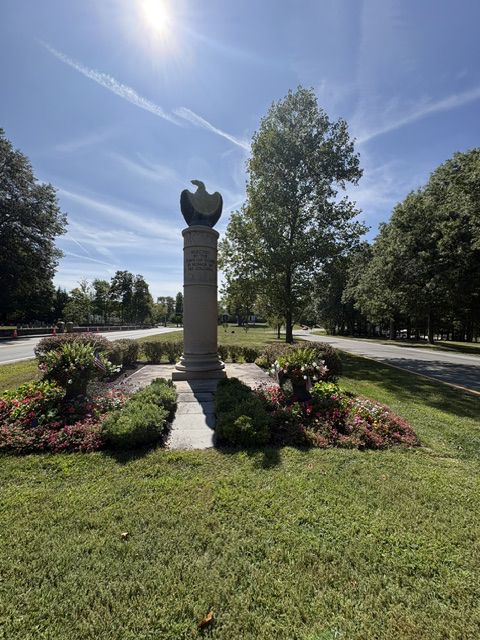
Read More From Nancy
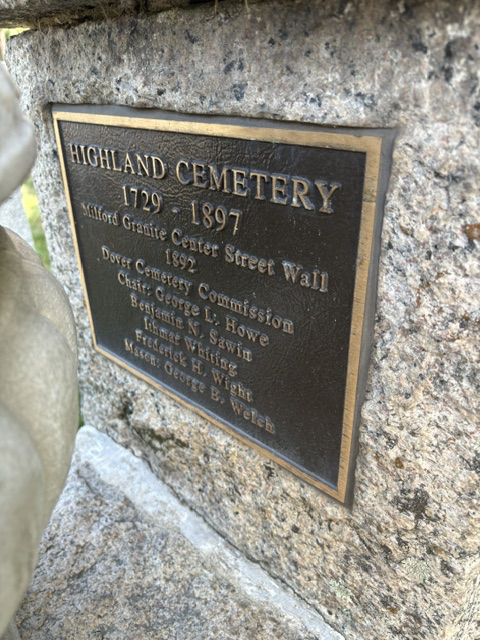
Highland Cemetery
Highland Cemetery began as a small colonial burying ground on land belonging to Nathaniel Chickering. Dating to 1729, it was established when Dover was still part of Dedham and consisted of scattered farms connected by narrow roads and footpaths. Chickering later formally gave the original tract to the community, ensuring that local families would have […]
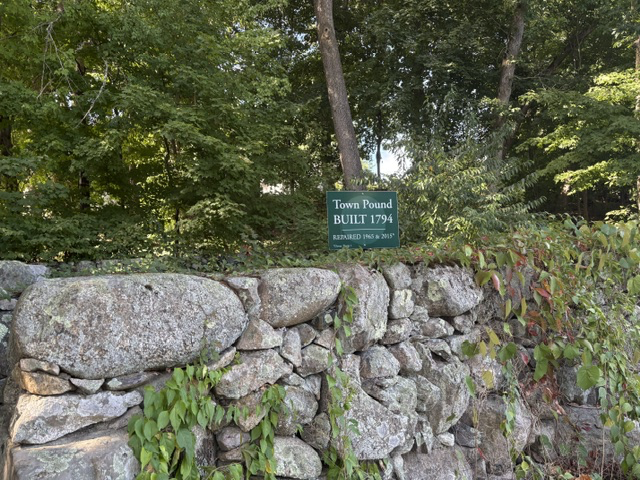
Town Pound
Dover’s Town Pound was built in 1794, when farming shaped nearly every part of community life. Families depended upon cattle, pigs, sheep and other animals for food, labor and income. Before the pound was constructed, cattle and swine were generally permitted to roam, creating problems when they wandered onto neighboring farms or damaged fields and […]
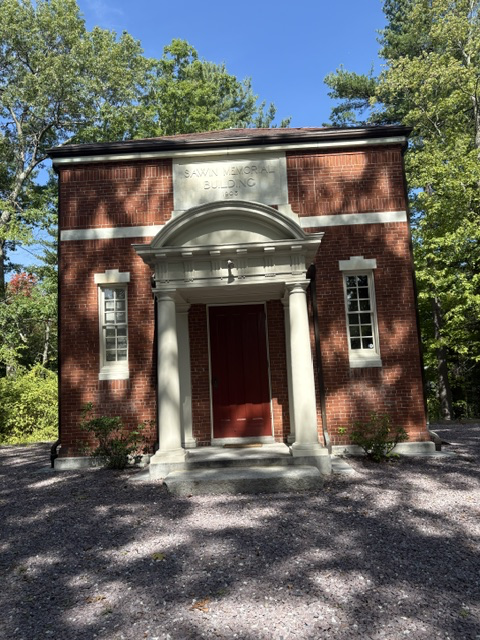
Sawin Museum
The Dover Historical Society was established in 1895 to collect and preserve the objects, documents and stories of the town’s past. As its collection grew, the Society needed a permanent place where these materials could be protected and shared with the community. Benjamin and Eudora Sawin, charter members of the Society, recognized that need. Because […]

