Remembering Heyward Shepherd
This monument in Harpers Ferry tells the story of Heyward Shepherd, a free Black man who became the first person killed during John Brown’s raid on October 16, 1859. Shepherd worked as a baggage master for the Baltimore & Ohio Railroad and was also described as a respected member of the local community. On the night Brown and his men entered Harpers Ferry, Shepherd encountered the raiders near the railroad bridge. When ordered to stop, he continued away from them and was shot. Mortally wounded, he died the following day.
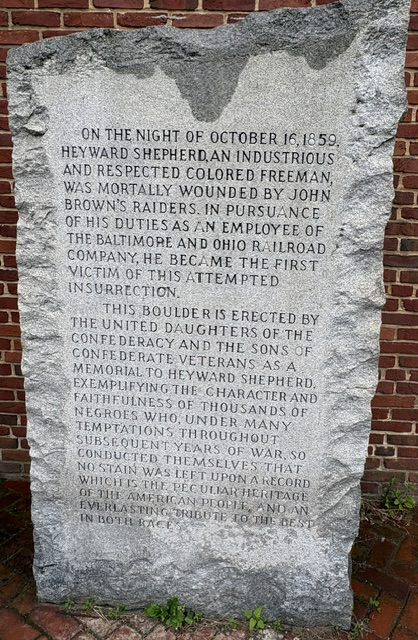
There is a tragic irony to Shepherd’s death. John Brown had come to Harpers Ferry intending to strike a blow against slavery and hoped his seizure of the federal armory would inspire enslaved people to join an uprising. Yet the first person to die during the raid was a free Black man.
The monument itself adds another layer to the story. It was erected in 1931 by the United Daughters of the Confederacy and the Sons of Confederate Veterans, more than seventy years after Shepherd’s death. The inscription praises Shepherd while presenting him as evidence of the “faithfulness” of Black people who, it claims, resisted attempts to turn them against slaveholders. That language reflects the Lost Cause interpretation of history promoted by Confederate memorial organizations in the late nineteenth and early twentieth centuries.
For that reason, the monument tells us about two different periods of American history. It commemorates an actual man who lost his life during the raid of 1859, but the words chosen to remember him reveal how the Civil War and slavery were being interpreted in 1931.
Heyward Shepherd deserves to be remembered separately from the political purpose later attached to his death. He was a free man, a railroad employee, and a member of the Harpers Ferry community whose life unexpectedly became entangled with one of the pivotal events leading toward the Civil War.
This is what makes monuments like this so interesting to examine closely. They can tell us something about the event being commemorated, but they can also tell us a great deal about the people who erected them and the time in which they chose to remember the past.
Read More From Nancy
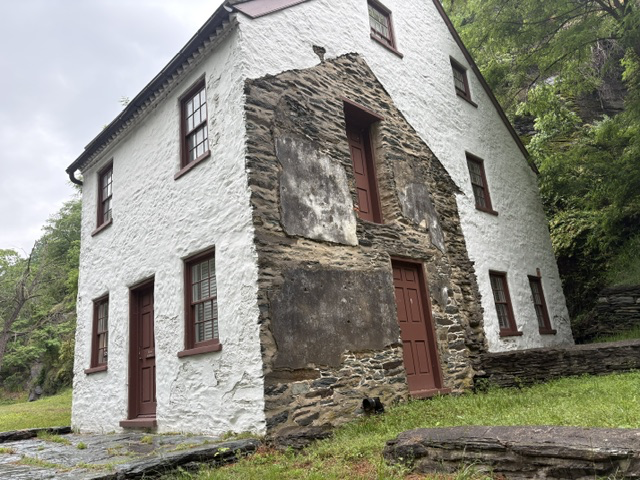
The Harper House
High above Lower Town stands the Harper House, the oldest surviving building in Harpers Ferry. Its story takes us back before the federal armory, the railroads and most of the historic events that would eventually make this little town nationally significant. Robert Harper began constructing this stone house in 1775. Harper had arrived in this […]
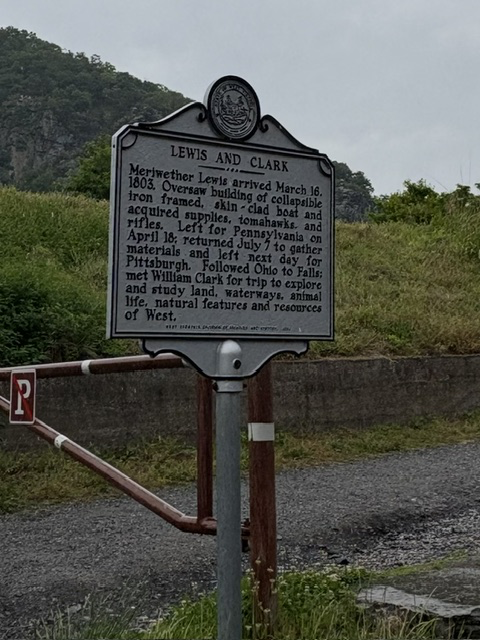
Harpers Ferry and the Lewis and Clark Expedition
This historical marker adds another piece to the Meriwether Lewis story in Harpers Ferry. Before the famous Lewis and Clark Expedition began its journey across the continent, Lewis spent several weeks here gathering equipment and working with the skilled craftsmen of the United States Armory. Meriwether Lewis arrived in Harpers Ferry on March 16, 1803. […]
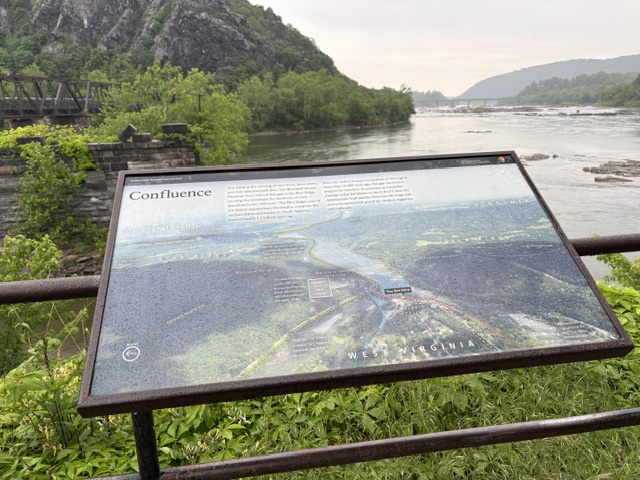
The Confluence of Two Rivers
One of the defining features of Harpers Ferry is its geography. Standing here at The Point, you can see the confluence of two great rivers: the Potomac and the Shenandoah. The Shenandoah approaches from the south and joins the Potomac, which continues east through the Blue Ridge on its journey toward the Chesapeake Bay. This meeting […]

