Mourning Painting
One of the unexpected discoveries during our visit to the Dedham Museum was this small watercolor known as a mourning painting. At first glance, it appears to be a peaceful landscape—a willow tree shading a funerary urn and memorial tablet. Looking more closely, however, it becomes a deeply personal expression of love and loss.
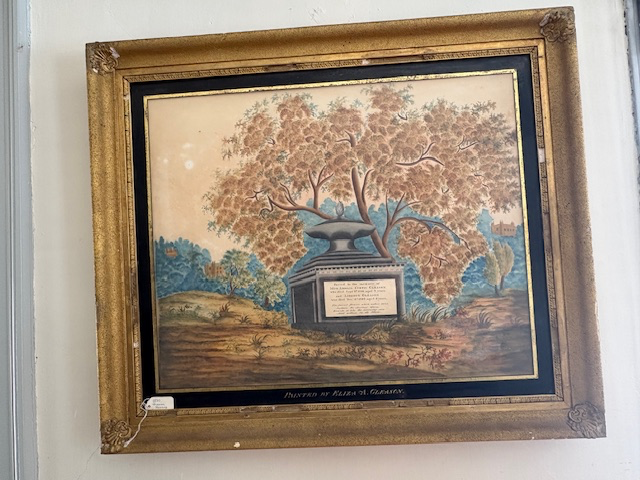
The painting was created by Eliza Gleason in the 1820s to commemorate her brother, Liberty, and her sister, Abigail, both of whom died as children. Before photography, families often commissioned or created mourning paintings as lasting memorials to loved ones. Displayed in the home, they served not only as works of art but as daily reminders of those who had been lost.
Every element of the painting carries symbolic meaning. The classical urn represents remembrance, while the weeping willow was one of the most familiar symbols of mourning during the eighteenth and nineteenth centuries. Together they expressed both the sorrow of death and the hope of eternal life, reflecting the religious beliefs that shaped much of early New England.
What makes this painting especially meaningful is the historical context it represents. Today, the death of a child is uncommon, but in early America it was a heartbreaking reality of everyday life. Illnesses that are now preventable or treatable often claimed young lives, and many families experienced the loss of multiple children. Historians estimate that between twenty and thirty percent of children died before reaching the age of ten. Most adults grew up knowing the grief of losing a brother or sister.
This small painting in the Dedham Museum represents countless untold stories from early New England. Although every family experienced loss differently, many sought comfort by preserving the memory of those they cherished. More than two hundred years later, this simple watercolor continues to fulfill that purpose, quietly inviting each visitor to pause, reflect, and remember that the history of a community is ultimately the history of its families.
Read More From Nancy
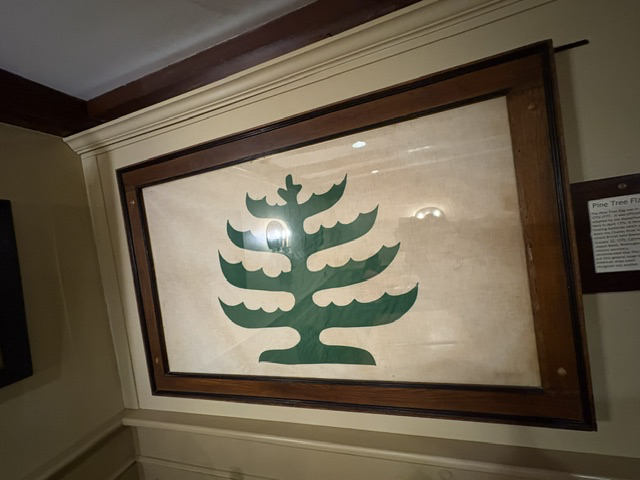
Pine Tree Flag
While enjoying dinner in Sturbridge, my attention was drawn to a large Pine Tree Flag displayed on the wall. It was an unexpected reminder that history has a way of appearing in ordinary places. One of the most recognizable symbols of New England’s role in the American Revolution is the Pine Tree Flag. Although it is […]
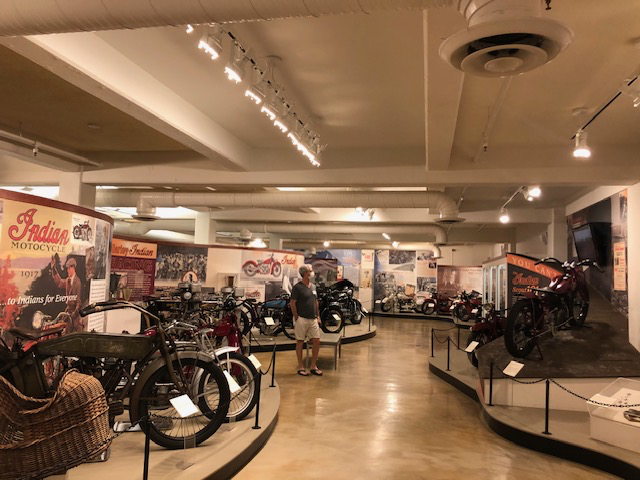
The Esta Manthos Indian Motorcycle Collection
Marty stood among rows of motorcycles at the Lyman and Merrie Wood Museum of Springfield History. Their frames, engines, and handlebars changed from one machine to the next, while old advertisements and photographs filled the walls around them. This gallery was about more than a famous motorcycle name. Indian began in Springfield, and for decades […]
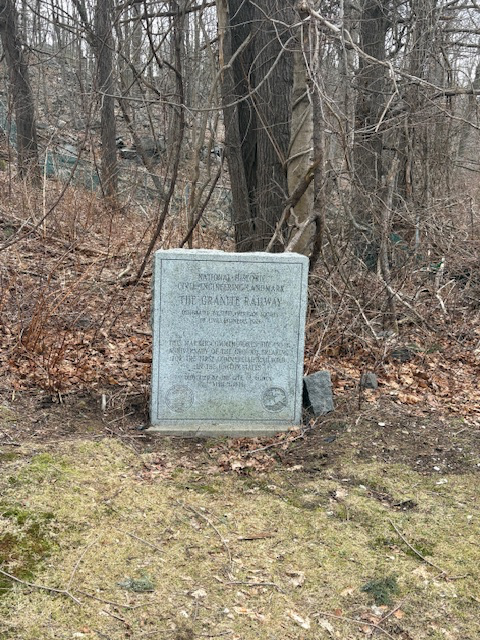
The Granite Railway
Hidden at the end of Mullin Avenue in West Quincy are the remains of the historic Granite Railway Incline, part of the pioneering Granite Railway system that began operating in 1826. The railway was created to transport enormous blocks of granite from the Quincy quarries to a wharf on the Neponset River in Milton. From […]

