Fort Pulaski National Monument
Fort Pulaski National Monument is just outside of Savannah, GA and was once considered nearly impenetrable, a masterpiece of early American coastal defense.
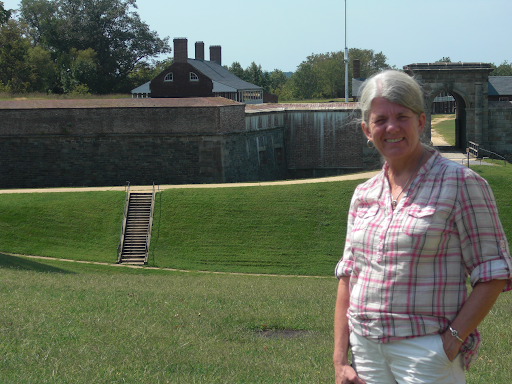
Construction of Fort Pulaski began in 1829 as part of the United States Third System of fortifications, designed to protect the nation’s coastline following the War of 1812. It was named after Casimir Pulaski, a Polish nobleman who became a hero of the American Revolution. After years of work, the fort was completed in 1847, standing as a symbol of military strength at the mouth of the Savannah River.
But history had other plans for this “impregnable” fortress. During the Civil War, Confederate forces occupied Fort Pulaski early in the conflict. In April of 1862, Union troops positioned new rifled cannons on nearby Tybee Island and began a sustained bombardment. In just 30 hours, these advanced weapons breached the thick masonry walls, something that had never been thought possible. The fall of Fort Pulaski marked a turning point in military history, signaling the end of traditional brick fortifications and the beginning of a new era in warfare.
After its surrender, the fort was used by Union forces, at times serving as a prison. In 1924, it was designated a national monument by Calvin Coolidge.
Walking through the fort, you can still see the scars in the brick walls where the cannon fire struck. The moat, the drawbridge, the arched entrance, all remain as reminders of the ingenuity and the limitations of time. This is a place where engineering, history and human determination all meet.
Read More From Nancy
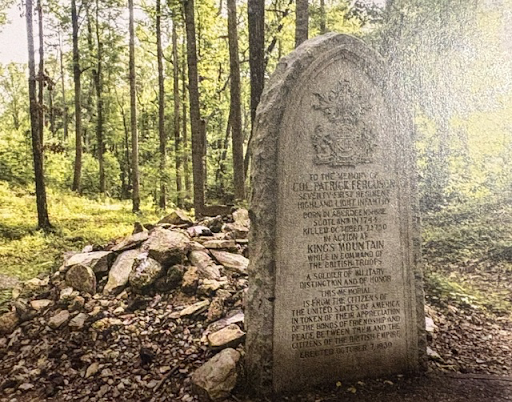
Kings Mountain National Military Park
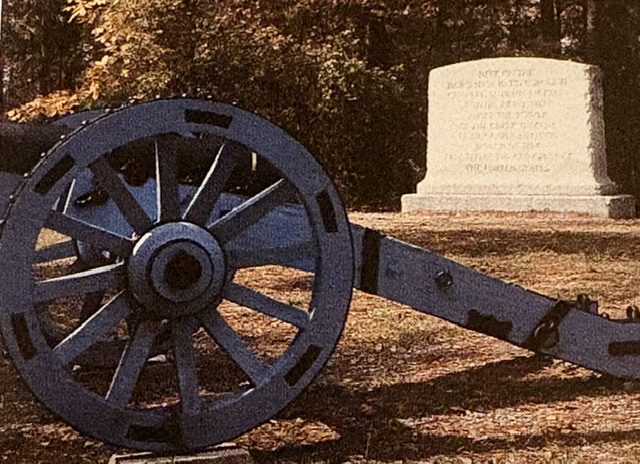
Kings Mountain National Military Park in Blacksburg, South Carolina, commemorates one of the most decisive Patriot victories of the American Revolution. Established as a National Military Park in 1931, it preserves the site where, on October 7, 1780, frontier militia defeated a force of Loyalists under British Major Patrick Ferguson. The Battle of Kings Mountain marked […]
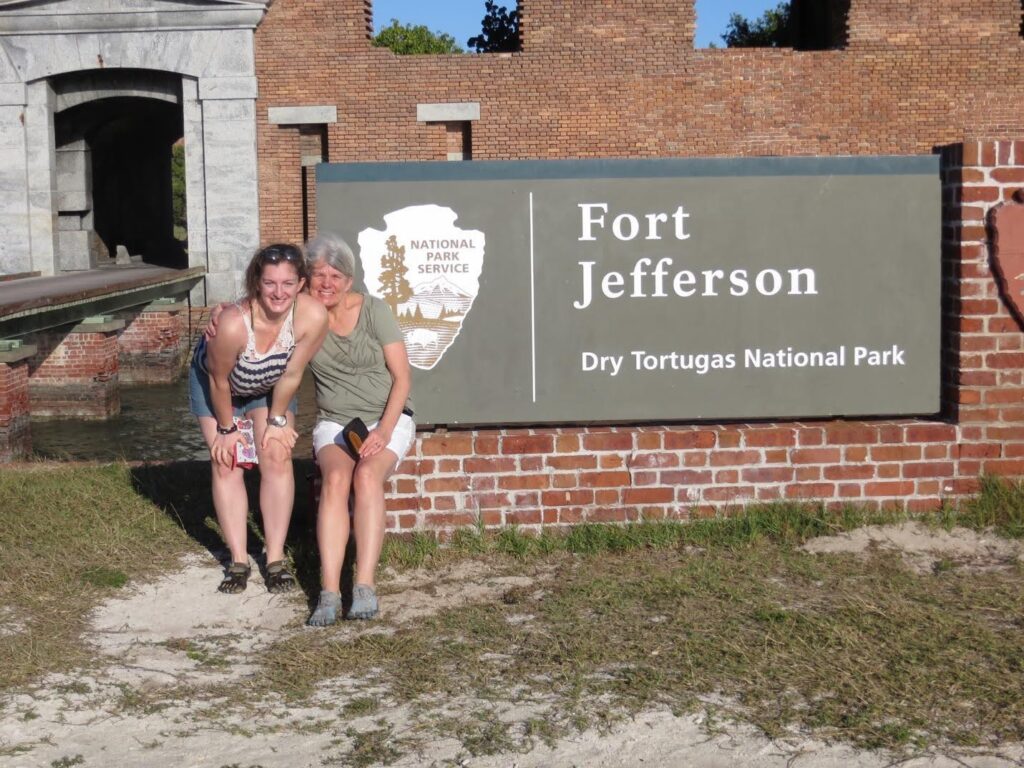
Dry Tortugas National Park
What an adventure it was to reach Fort Jefferson in the Dry Tortugas. I made this journey with Erin in 2012, as a way to celebrate our birthdays. This was an unforgettable trip to one of the most remote places in the National Park System. Located about 70 miles west of Key West, the Dry Tortugas sit […]
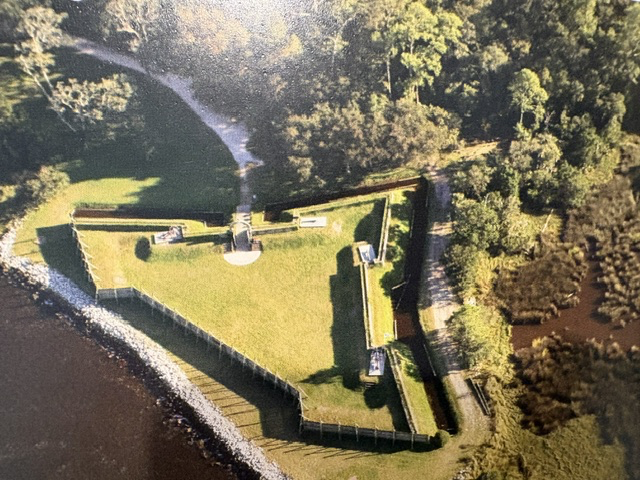
Fort Caroline National Memorial
Fort Caroline National Memorial preserves the story of France’s attempt to establish a permanent colony in Florida during the 16th century. In 1564, an expedition led by René Goulaine de Laudonnière constructed a triangular fort near the St. Johns River. The settlement was named La Caroline in honor of France’s King Charles IX. Many of […]

