Natchez Trace National Scenic Trail
The historic Natchez National Scenic Trail is a route the served as one of the most important transportation corridors in the early American frontier. Worn deeply into the earth by generations of travelers, traders, soldiers and Native Americans, the sunken pathway visible today offers a glimpse into what travel looked like before modern roads and railroads transformed the landscape.
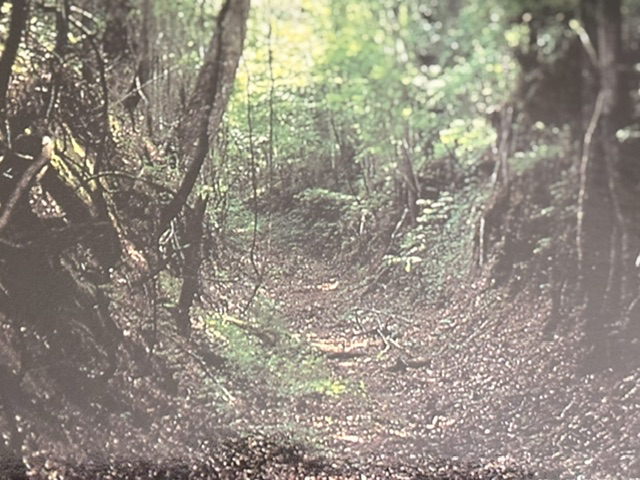
Long before European settlement, the Trace followed ancient paths used by Choctaw, Chickasaw and other indigenous peoples. During the late eighteenth and early nineteenth centuries, it became a vital route connecting Natchez, Mississippi with Nashville, Tennessee. Flats boatmen who floated goods down the Ohio and Mississippi Rivers to Natchez often sold their boats for lumber and then made the arduous journey home on foot along the Trace. The nearly 500-mile trip could take as long as four weeks, leading travelers through forests, across streams and through the lands of the Choctaw and Chickasaw Nations.
Travel on the Natchez Trace was not easy. Mud, heat, storms and constant challenge of finding food and shelter made the journey demanding. Yet thousands of people used the route each year during the busiest period in the early 1800s.
Recognizing the importance of the historic route, Congress designated the Natchez Trace Parkway as a unit of the National Park System in 1938. Much of the early development was completed during the New Deal era by the Civilian Conservation Corps. Today, the parkway preserves hundreds of miles of the original corridor, allowing visitors to experience portions of the same pathway traveled by Native Americans, frontier settlers, settlers and soldiers more than two centuries ago.
Read More From Nancy
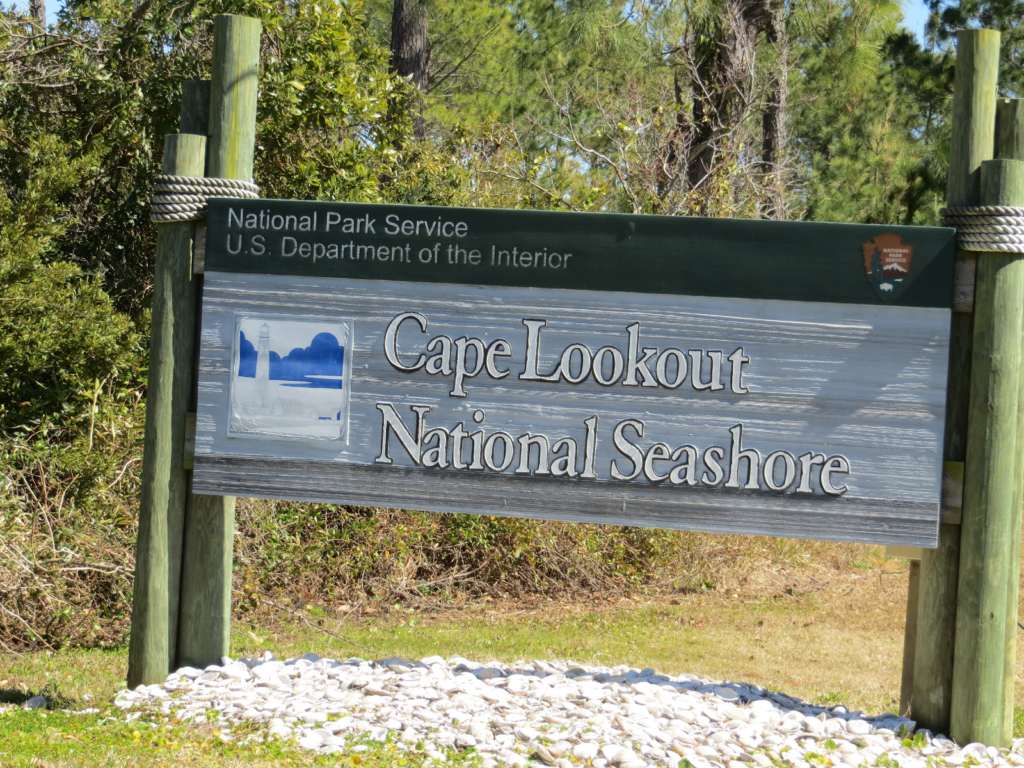
Cape Lookout National Seashore
Cape Lookout National Seashore stretches along the southern Outer Banks of North Carolina, protecting 56 miles of underdeveloped barrier islands. It feels wonderfully remote where ocean, dunes and marsh create a landscape that moves with the wind and tide. The seashore was authorized by Congress in 1966 and officially established in 1976, preserving the fragile barrier […]
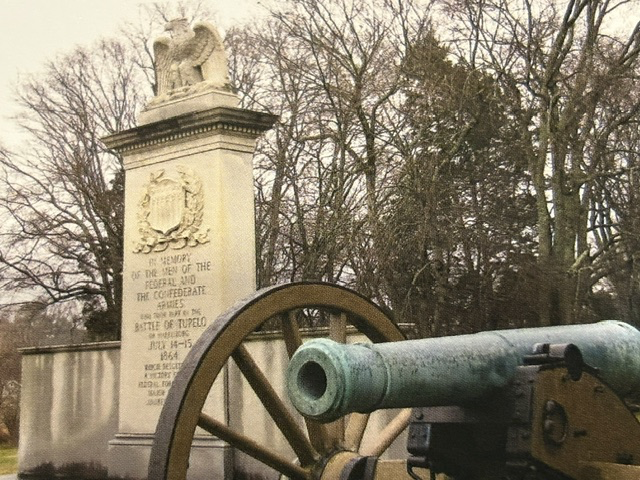
Tupelo National Battlefield
Tupelo National Battlefield in Tupelo, Mississippi, commemorates one of the lesser known but strategically important battles of the Civil War. Established as a unit of the National Park System in 1971, it preserves the story of the Battle of Tupelo, fought on July 14–15, 1864. While exploring Mississippi, we made a point of visiting this […]

Gulf Islands National Seashore
Gulf Islands National Seashore protects a remarkable coastal landscape extending approximately 160 miles from Cat Island in Mississippi to the eastern end of Santa Rosa Island in Florida. More than 80 percent of the national seashore lies underwater, preserving bays, sounds, and marine habitats as well as the visible shoreline. Its most prominent features are […]

