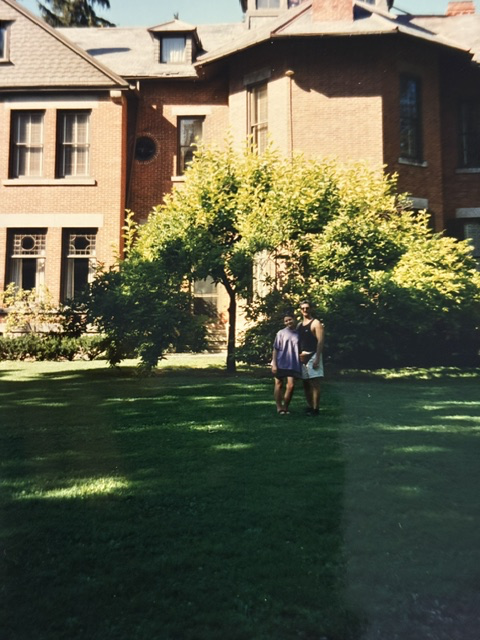
James A. Garfield National Historic Site
When my love for National Parks combines with my fascination with the lives of our presidents, I am always willing to travel out of my way to explore. During a family cross-country trip, we made a stop at the James A. Garfield National Historic Site in Mentor, Ohio, to learn more about one of America’s most remarkable and often overlooked presidents.
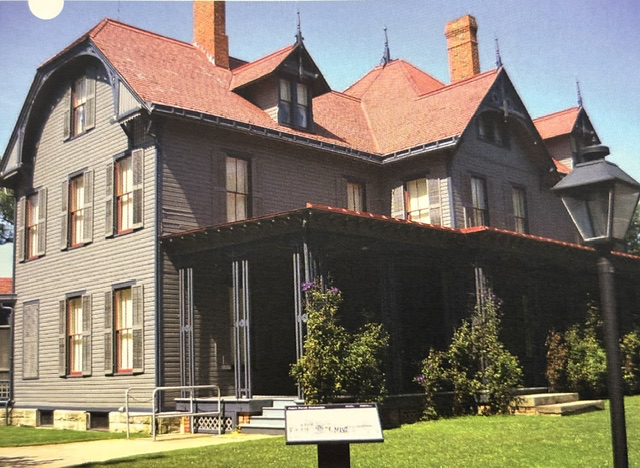
The centerpiece of the site is Lawnfield, Garfield’s Victorian home, where he lived with his wife, Lucretia, and their children. In 1880, Garfield conducted his presidential campaign from this home. Rather than traveling the country, he welcomed thousands of supporters, reporters, and well-wishers to his front porch. From there, he delivered speeches and greeted delegations from around the nation, giving rise to what became known as the first successful “Front Porch Campaign,” a model later employed by other candidates.
Garfield’s story is one of perseverance and achievement. Born in humble circumstances, he worked as a canal boat laborer, schoolteacher, college president, Civil War general, congressman, and eventually became the twentieth President of the United States. Tragically, his presidency lasted only six months before he was mortally wounded by an assassin in 1881. Although his time in office was brief, his commitment to civil service reform and national unity left a lasting impact on the country.
Walking through Lawnfield, I was struck by how personal the experience felt. Unlike the grand estates of some presidents, Garfield’s home reveals the life of a devoted family man and scholar. Standing on the famous front porch where he greeted visitors during his campaign, I was reminded that some of America’s most influential leaders emerged from ordinary beginnings and that their stories are often preserved in the places they called home.