George Rogers Clark National Historical Park
Driving from the Chicago area after a weekend seminar, I found myself discovering one of the lesser-known sites in the National Park System: George Rogers Clark National Historical Park in Vincennes. Before this visit, I knew almost nothing about the history connected to George Rogers Clark or the important role Vincennes played during the American Revolution.
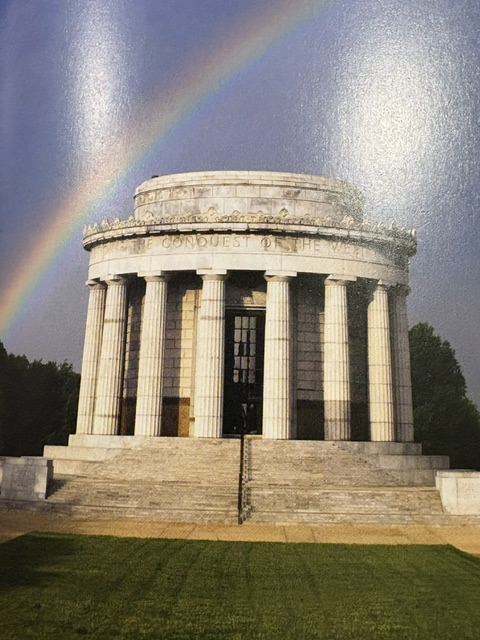
The memorial is a massive classical structure that rises from the Indiana landscape like an ancient temple. The monument honors George Rogers Clark, whose campaigns in the western frontier helped secure the Northwest Territory for the United States during the American Revolutionary War. Clark captured British-held Fort Sackville at Vincennes in 1779 during a difficult winter campaign that became one of the most important western victories of the Revolution.
What surprised me most was realizing how much Revolutionary war history occurred far beyond the familiar East Coast battlefield. Vincennes represented the western frontier of the young nation, and Clark’s success helped establish American claims to territories that would later become several Midwestern states.
The memorial was authorized in 1931 and dedicated in 1936 during the presidency of Franklin D. Roosevelt as part of the broader movement to preserve important American historical sites during the early development of the National Park Service.
Inside the memorial are murals and exhibits depicting Clark’s campaign and the struggles faced by soldiers traveling through flooded wilderness during the harsh winter conditions. Visiting this site reminded me that the story of America was shaped not only in the major cities of the East Coast, but also in small frontier towns like Vincennes.
Read More From Nancy

Indiana Dunes National Park
On our cross-country family road trip in 1995, we stopped at the Indiana Dunes National Park. The massive sand dunes stretch along the southern shore of Lake Michigan and they are interwoven with wetlands and beaches. The dunes were formed over thousands of years as glaciers retreated in the wind and water shaped the sand into ridges […]
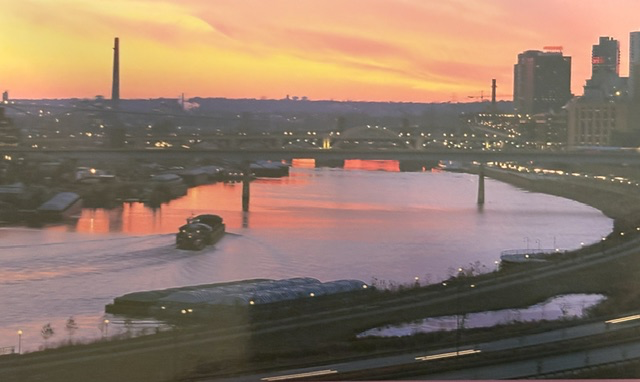
Mississippi National River and Recreation Area Minneapolis
While we were in Minneapolis teaching, we took some time to explore the Mississippi River. I had always associated the Mississippi with places much farther south, so it was particularly interesting to see the river here in Minnesota, relatively near the beginning of its long journey across the country. The Mississippi begins at Lake Itasca […]
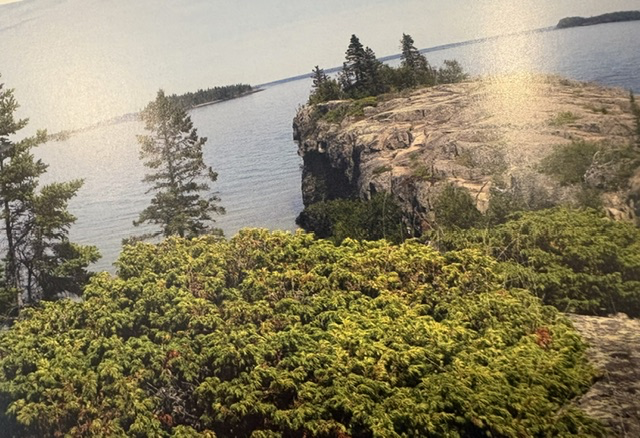
Isle Royale National Park
Accessible only by boat or seaplane, Isle Royale National Park occupies an isolated archipelago in the northwestern waters of Lake Superior. The park encompasses more than 850 square miles, including the main island, approximately 450 smaller islands and the surrounding submerged lands. It is the largest federally designated wilderness area in Michigan. The landscape is […]

