Nicodemus National Historic Site
I have traveled to many of our smaller National Park sites alone. Many of them require long drives across isolated roads where there is not much else to see along the way. But for me, the destinations are always worth it.
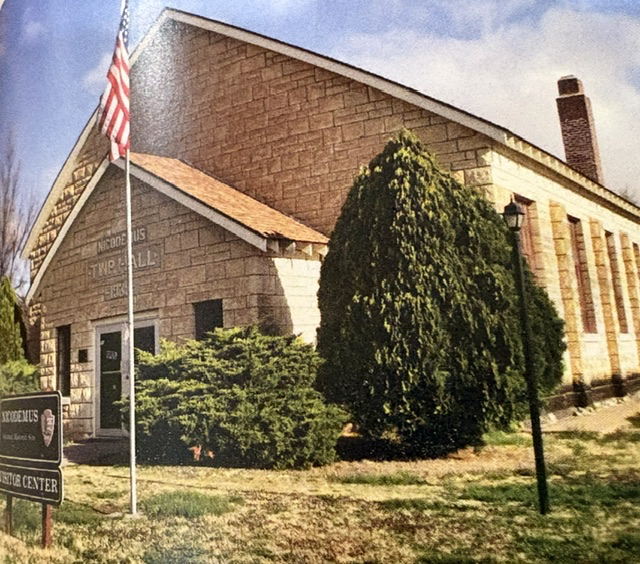
When we were driving across Kansas towards Colorado, I asked Marty to take a detour to visit Nicodemus National Historic Site. It added hours to our trip. As we approached the town, there seemed to be very little there beyond this small visitor center, a few historic buildings, open prairie and tumbleweeds rolling down the road. Marty looked around and questioned why we had gone so far out of our way to visit this place.
Why is this town remembered?
Nicodemus was founded in 1877 by formerly enslaved African Americans seeking the opportunity to build lives of freedom and independence in the American West after the Civil War. The town became part of the larger “Exoduster Movement”, when thousands of Black families left the South searching for safety, land ownership, opportunity, and dignity after Reconstruction began collapsing under growing racial violence and discrimination.
Kansas represented hope because of its strong abolitionist history and its identity as a free state. Promoters encouraged many formerly enslaved families to move west with promises of land and property. Yet the reality was far harsher than many imagined. Families often arrived with little money, limited supplies, and almost no preparation for the difficult prairie conditions they would face.
Standing in this open Kansas landscape, surrounded by prairie and isolation, it became easier to understand the courage it took for these families to stay and build a community under difficult circumstances. What initially looked like a quiet forgotten town, became a story of perseverance, resilience and determination.
Nicodemus became the oldest and only remaining Black settlement west of the Mississippi River established during the Reconstruction era. The site was added to the National Park System in 1995 under President Bill Clinton.
Sometimes the smallest and most remote National Park sites tell some of the most important stories.
Read More From Nancy
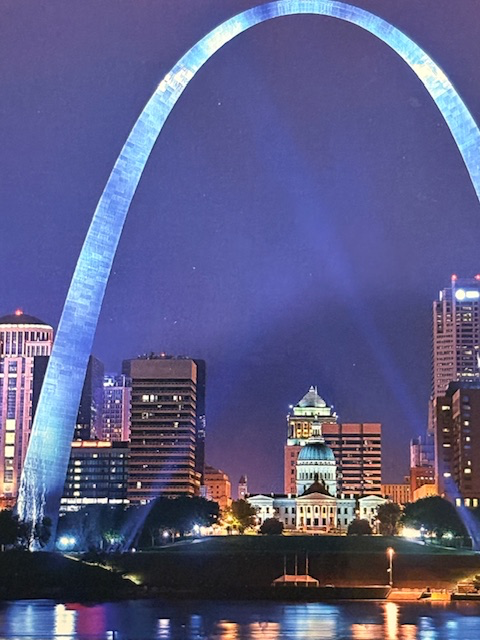
Gateway Arch National Park / Jefferson National Expansion Memorial
This is the Gateway Arch in St. Louis that rises 630 feet into the sky. Its stainless-steel curve is striking as it frames the city behind it and reflects the light that changes with the time of day. This monument is a symbol. It represents the westward expansion of the United States, marking St. Louis as […]
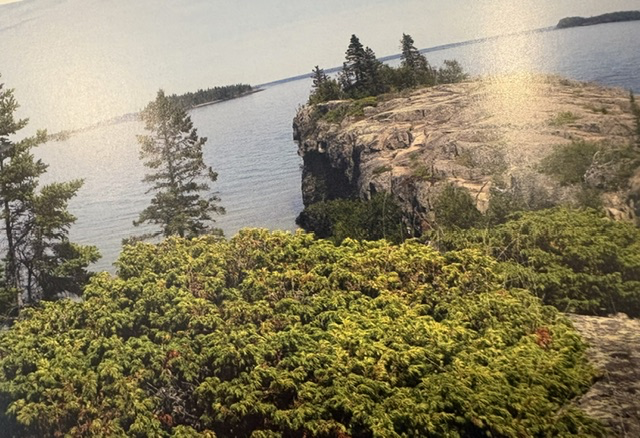
Isle Royale National Park
Accessible only by boat or seaplane, Isle Royale National Park occupies an isolated archipelago in the northwestern waters of Lake Superior. The park encompasses more than 850 square miles, including the main island, approximately 450 smaller islands and the surrounding submerged lands. It is the largest federally designated wilderness area in Michigan. The landscape is […]
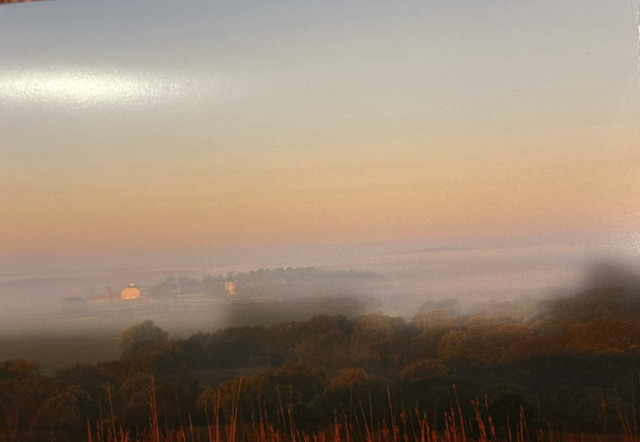
Tallgrass Prairie National Preserve
The rolling grasses and soft morning mist of Tallgrass Prairie National Preserve, one of the rarest landscapes remaining in North America. The preserve protects a small surviving piece of the vast tallgrass prairie that once stretched across millions of acres from Texas north into Canada. Today, less than four percent of that original prairie ecosystem still exists. The Flint Hills became one […]

