Pony Express National Historic Trail
In the wide-open landscapes of the American West, communication was once slow, uncertain, and often perilous. Long before telegraph wires stretched across the continent, letters were the only way to stay connected across the plains, deserts and mountain ranges. Carrying the mail by horseback became one of the boldest experiments in frontier logistics ever attempted.
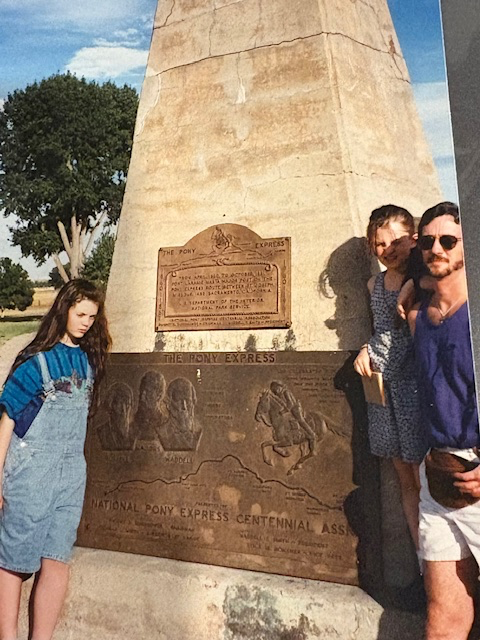
This daring system would come to be known as the Pony Express National Historic Trail, a route etched into legend, defined by speed, endurance and the relentless push to link a growing nation from coast to coast.
Though the service lasted only about eighteen months before being eclipsed by the transcontinental telegraph, its legend endured. This is in part because one of the former riders, Buffalo Bill Cody, transformed his frontier experiences into worldwide fame through his Wild West shows, shaping how generations would image the daring riders of the Pony Express.
The Pony Express route was formally protected in 1978, when President Jimmy Carter signed the legislation designating it as part of the National Historic Trails System. That act ensured the corridor riders once raced across, through the plains, deserts and mountain passes, would be preserved, and marked for future generations to follow across the American landscape.
Today, the trail is administered by the National Park Service, with physical reminders scattered across the terrain. One of these markers stands in Nebraska, near Scotts Bluff National Monument. Here we are standing beside this quiet column, at a place that preserves the corridor where brave riders once thundered past on horses.
Monuments, like this, are a reminder of the extraordinary journeys that once passed through this landscape.
Read More From Nancy
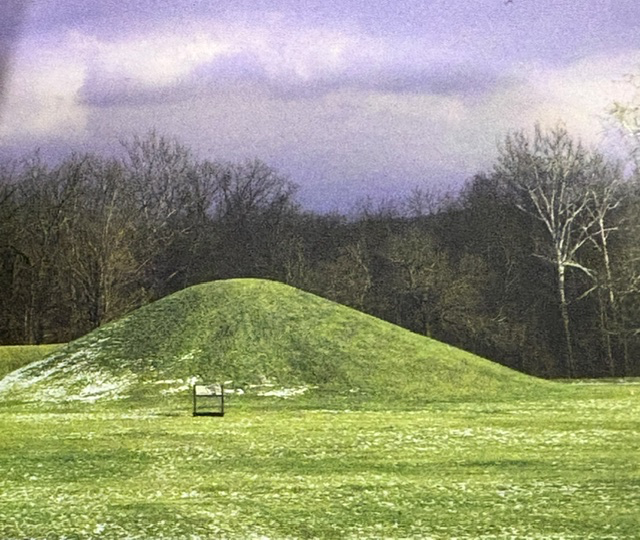
Hopewell Culture National Historical Park
Hopewell Culture National Historical Park in Chillicothe, Ohio, preserves one of the most fascinating archaeological landscapes in North America. Established as a National Historical Park in 1992, the site protects the enormous earthworks and burial mounds built by the Hopewell people, who lived throughout the Ohio River Valley from about 200 BC to AD 500. […]
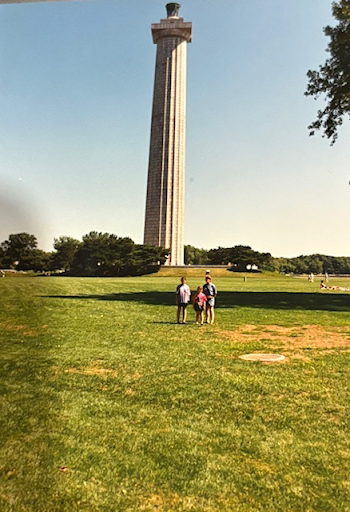
Perry’s Victory & International Peace Memorial
As we continued driving west on our family road trip in 1995, we boarded a boat on Lake Erie and crossed the water to the Perry’s Victory and International Peak Memorial. Reaching this site by water made visiting it more intentional and part of the story. Rising from South Bass Island is this 352-foot granite column that […]
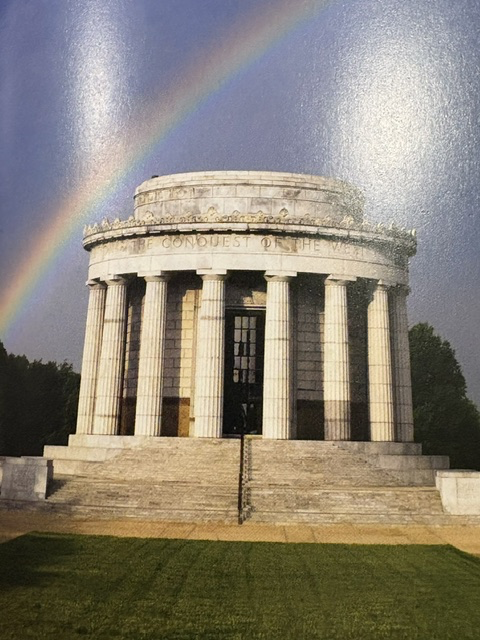
George Rogers Clark National Historical Park
Driving from the Chicago area after a weekend seminar, I found myself discovering one of the lesser-known sites in the National Park System: George Rogers Clark National Historical Park in Vincennes. Before this visit, I knew almost nothing about the history connected to George Rogers Clark or the important role Vincennes played during the American Revolution. The memorial is a massive […]

