Inside the Alden House
Stepping inside the Alden House gives us a different perspective on the generations of the Alden family who lived on this property. The house was not frozen in a single moment in time. Its rooms, furnishings and possessions changed as one generation followed another, and these two photographs capture that progression particularly well.
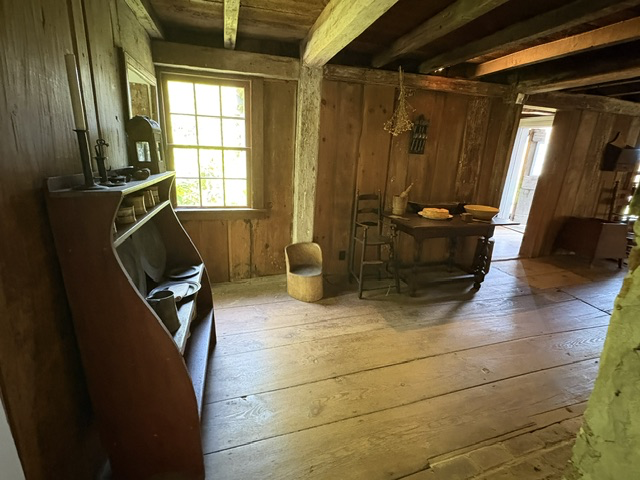
In the oldest portion of the house, the building itself becomes part of the story. Heavy exposed timbers, wide plank floors and simple wooden walls reveal the practical construction of an early New England home. The furnishings are sparse and functional—a table and chairs, shelves for dishes and household goods, and relatively little decoration. Rooms like this were working spaces where preparing and eating food, household chores, and family life took place within a compact area.
The second room presents a noticeably different world. Finished and painted walls, larger windows, more refined furniture and decorative objects reflect the increasing prosperity and changing tastes of later generations. The tall case clock, framed portrait, chairs and other possessions show a household that had accumulated both material comforts and family belongings over time. Even the violin case suggests a life that included music and leisure as well as the daily work of maintaining a home.
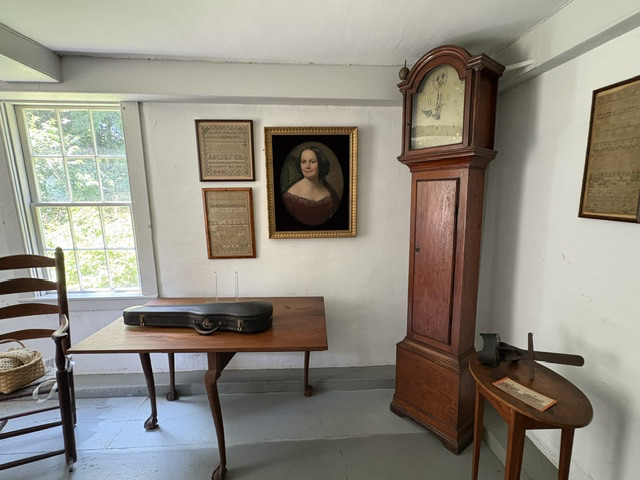
Walking from one room to another therefore feels almost like moving through different periods of the family’s history. The rough timbers and broad floorboards of the older section speak to the early generations, while the clock, portrait and more formal furnishings tell us about the Aldens who came later.
The Alden House preserves more than the story of two Mayflower passengers. Its interior shows what happened afterward as a family remained on this land, generation after generation, and an early Duxbury homestead gradually became a home filled with the possessions, comforts and memories of those who came after John and Priscilla.

Read More From Nancy
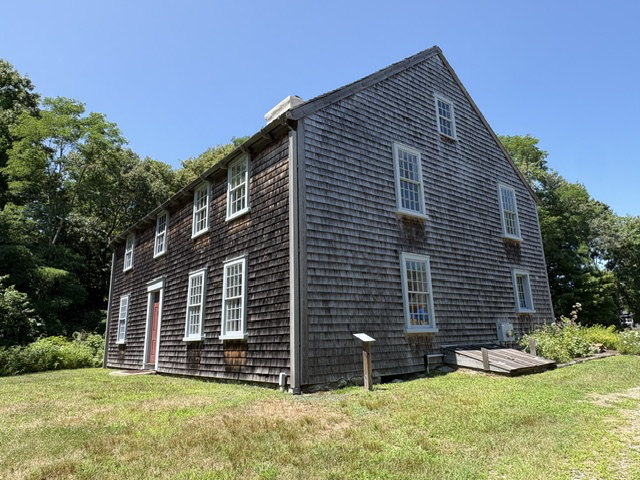
The Alden House
The story of Duxbury is closely connected to the Mayflower families who moved beyond the original settlement at Plymouth, and few are better known than John Alden and Priscilla Mullins. Both arrived aboard the Mayflower in 1620, survived the difficult beginnings of Plymouth Colony, married, and eventually established their family on this land in Duxbury. […]
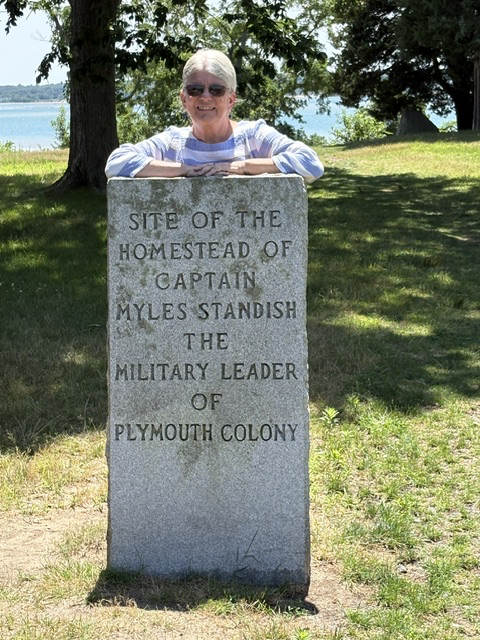
The Myles Standish Homestead
On our camping trip to Plymouth, we wanted to explore more of the Pilgrim story beyond the places we had visited in Plymouth itself. That brought us to nearby Duxbury and the homestead of Captain Myles Standish. Standish is closely associated with the founding of Duxbury, and this was the community where he established his […]
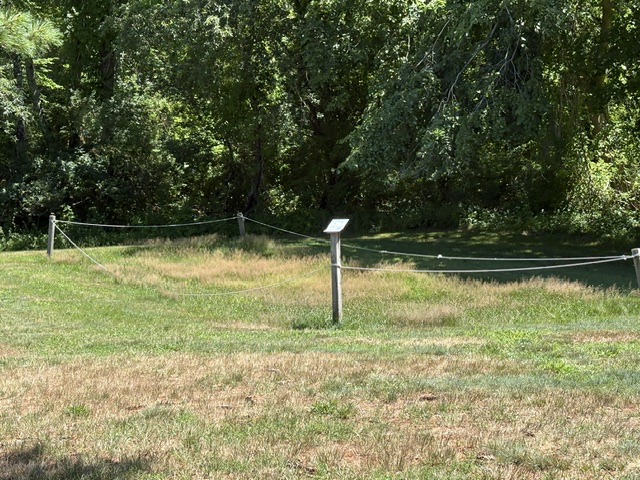
Finding John and Priscilla Alden’s Original Home
Not far from the surviving Alden House is a much less obvious but perhaps even more intriguing piece of the family’s history. An open grassy area marks the archaeological remains of the earlier house where John and Priscilla Alden lived. A stone marker identifies it simply: “Site of John Alden House — Built 1627”. The […]

