Finding John and Priscilla Alden’s Original Home
Not far from the surviving Alden House is a much less obvious but perhaps even more intriguing piece of the family’s history. An open grassy area marks the archaeological remains of the earlier house where John and Priscilla Alden lived. A stone marker identifies it simply: “Site of John Alden House — Built 1627”.
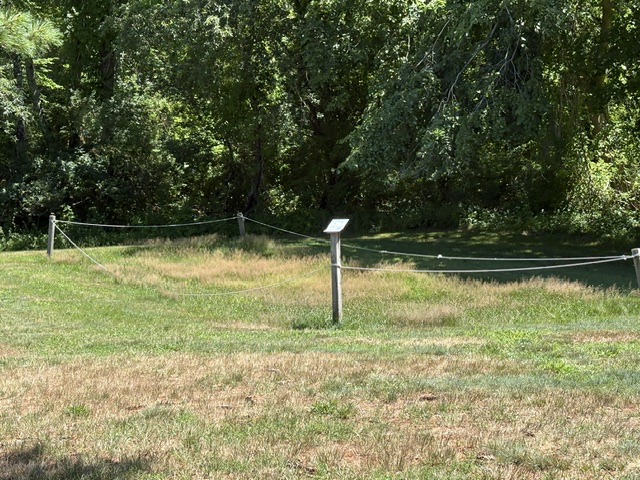
The date places the house remarkably close to the beginning of the Plymouth Colony story. Only seven years after the Mayflower arrived, John and Priscilla were establishing a home here on the land that would eventually become part of Duxbury. They were among the Plymouth families who began moving outward as the colony became more secure and additional farmland was needed.
For generations, the location of this earlier house was largely forgotten. Archaeological excavations beginning in the 1960s uncovered portions of its foundation and cellar along with objects left behind by the people who had lived here. The discoveries helped establish the size and location of the house while also providing a glimpse into everyday life within an early colonial household.
Among the finds were fragments of pottery and glass as well as pieces of tools, hardware and other ordinary household objects. Individually, these objects might seem insignificant. Together, they allow archaeologists to reconstruct aspects of how the Aldens and subsequent generations cooked, worked, stored food and possessions, and participated in the growing economy of colonial New England.
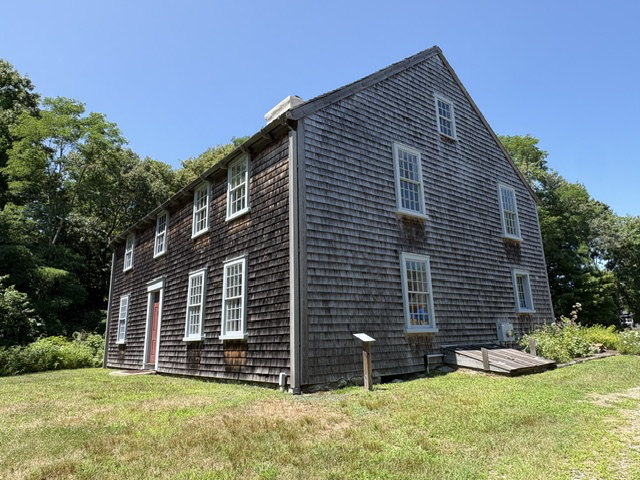
The archaeological site also helps explain the relationship between the two Alden houses. The historic house standing nearby is a later Alden family home, probably built by their son Jonathan toward the end of the 17th century. The house John and Priscilla occupied beginning in the 1620s disappeared long ago, leaving its foundations beneath the ground. There is very little to see above ground today. Without the marker and interpretive signs, this could easily appear to be nothing more than an open field. Yet that simplicity is part of what makes the site so interesting.
Read More From Nancy
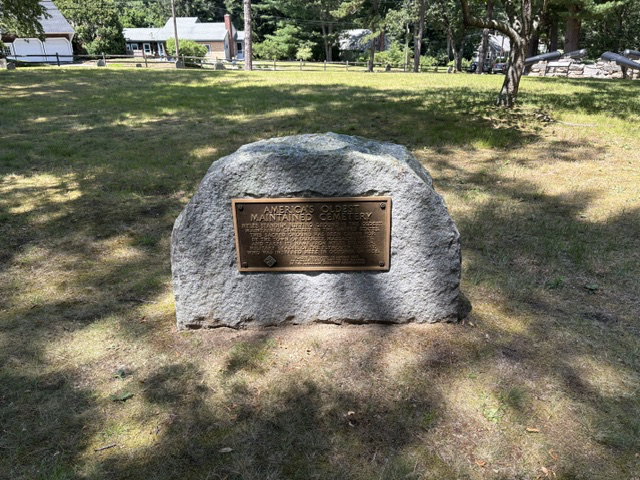
The Old Burying Ground
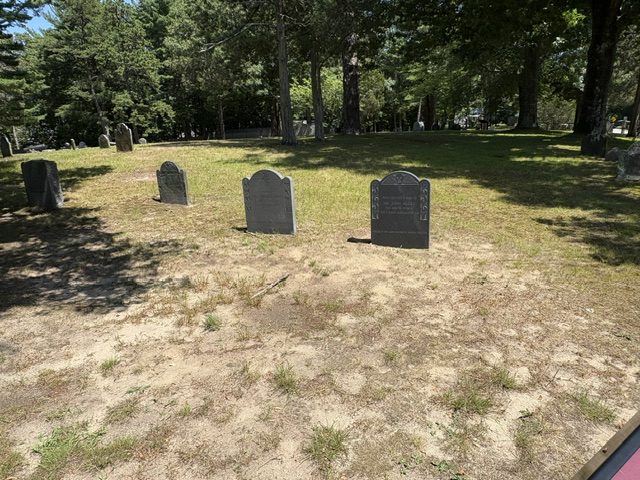
The Old Burying Ground is a quiet piece of land with a remarkable connection to the earliest years of Plymouth Colony. Established around 1632, it served as the first burial ground for the settlers who moved away from Plymouth and established the community that became Duxbury. The cemetery dates from the period when families were […]
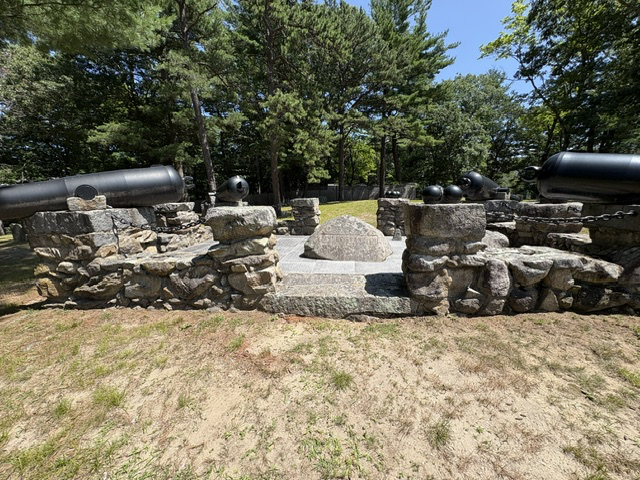
The Gravesite of Myles Standish
After visiting the site of Myles Standish’s homestead, we continued following his story in Duxbury to the place where he was laid to rest. Standish died here on October 3, 1656, more than three decades after arriving aboard the Mayflower and after spending much of his later life helping establish the community of Duxbury. There […]
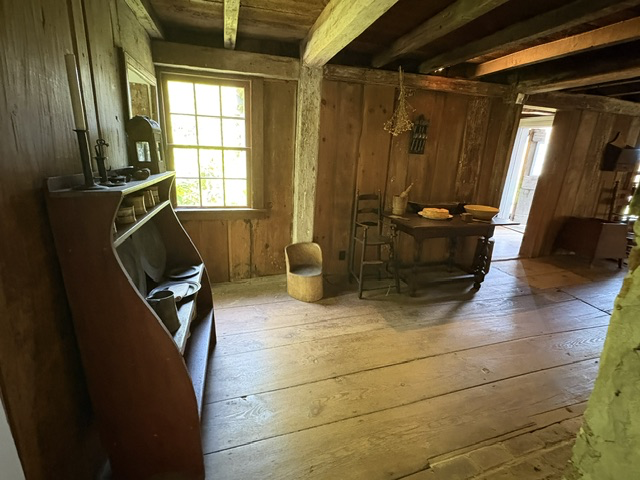
Inside the Alden House
Stepping inside the Alden House gives us a different perspective on the generations of the Alden family who lived on this property. The house was not frozen in a single moment in time. Its rooms, furnishings and possessions changed as one generation followed another, and these two photographs capture that progression particularly well. In the […]

